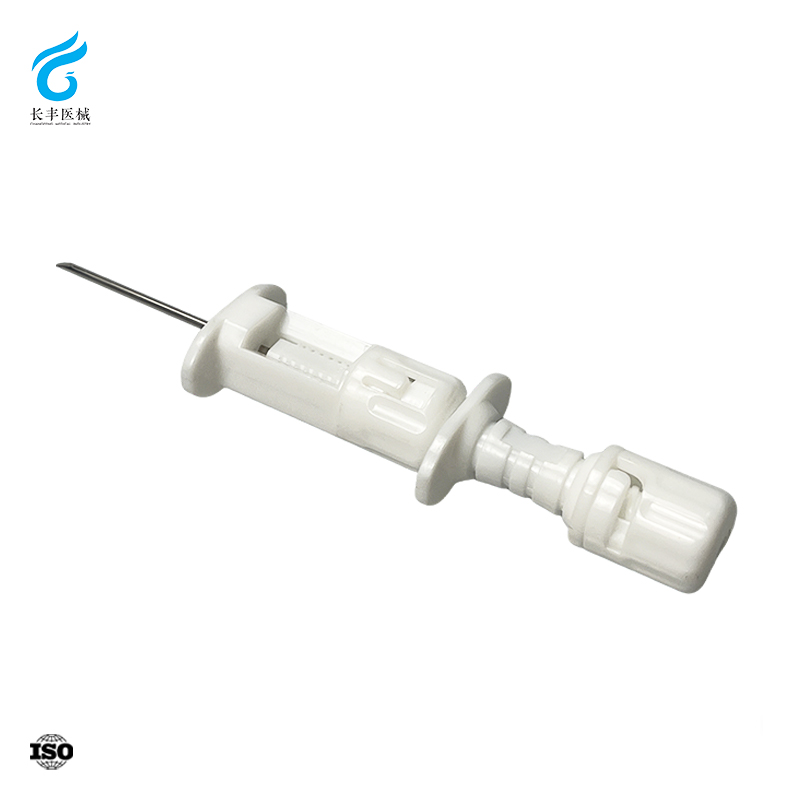
Clinical Indications for Breast Puncture Needle UseBI-RADS 4/5 Lesions as Primary Triggers for Breast Puncture Needle InterventionBI-RADS (Breast Imaging Reporting and Data System) category 4 and 5 lesions are suspicious findings on mammography or ul...
VIEW MORE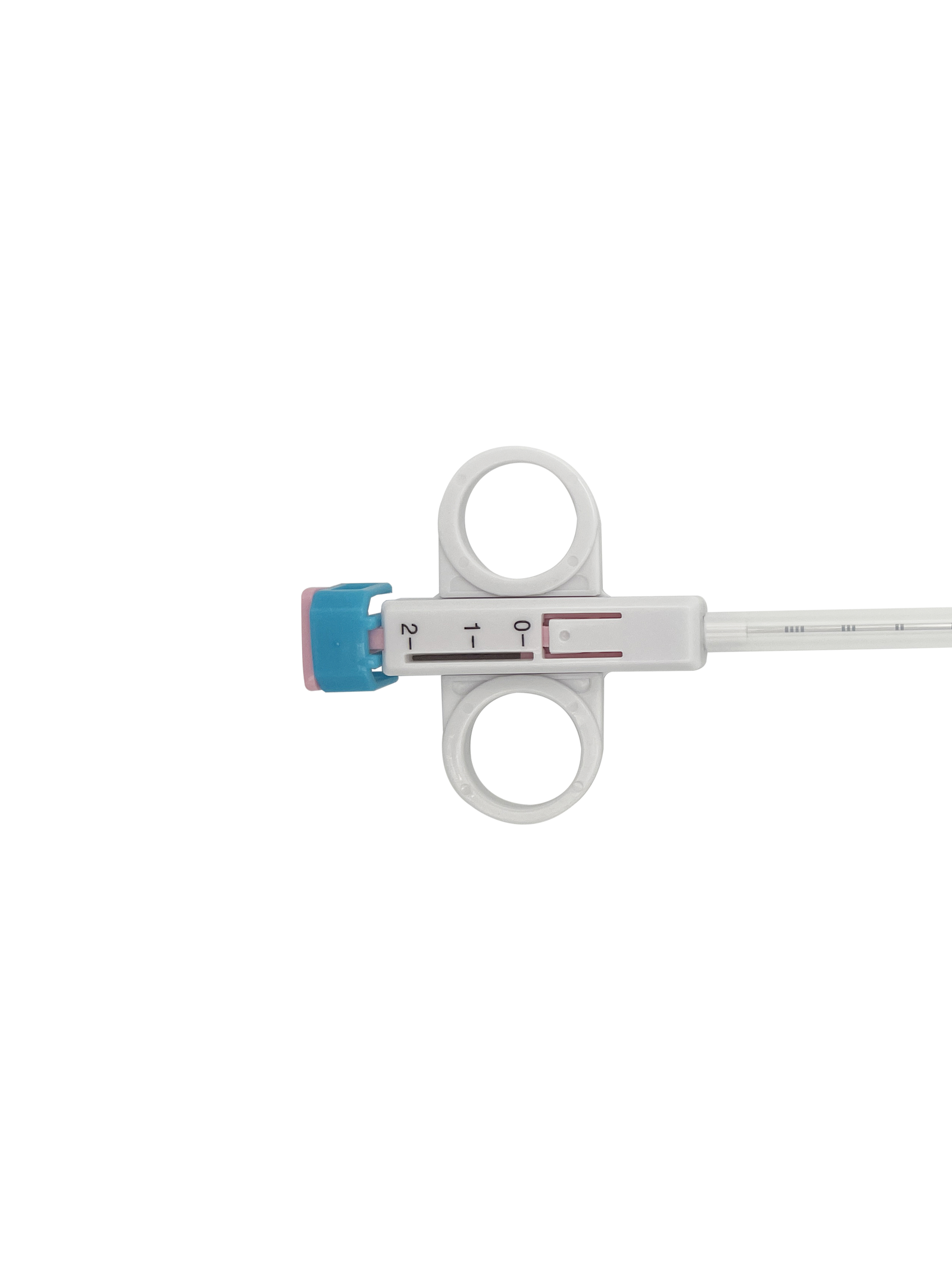
How Automated Biopsy Guns Work — and Where Failures OriginateCore Mechanisms: Spring-Driven vs. Pneumatic Actuation and Their Reliability ProfilesAutomated biopsy guns capture tissue samples through rapid, synchronized advancement and retraction of i...
VIEW MORE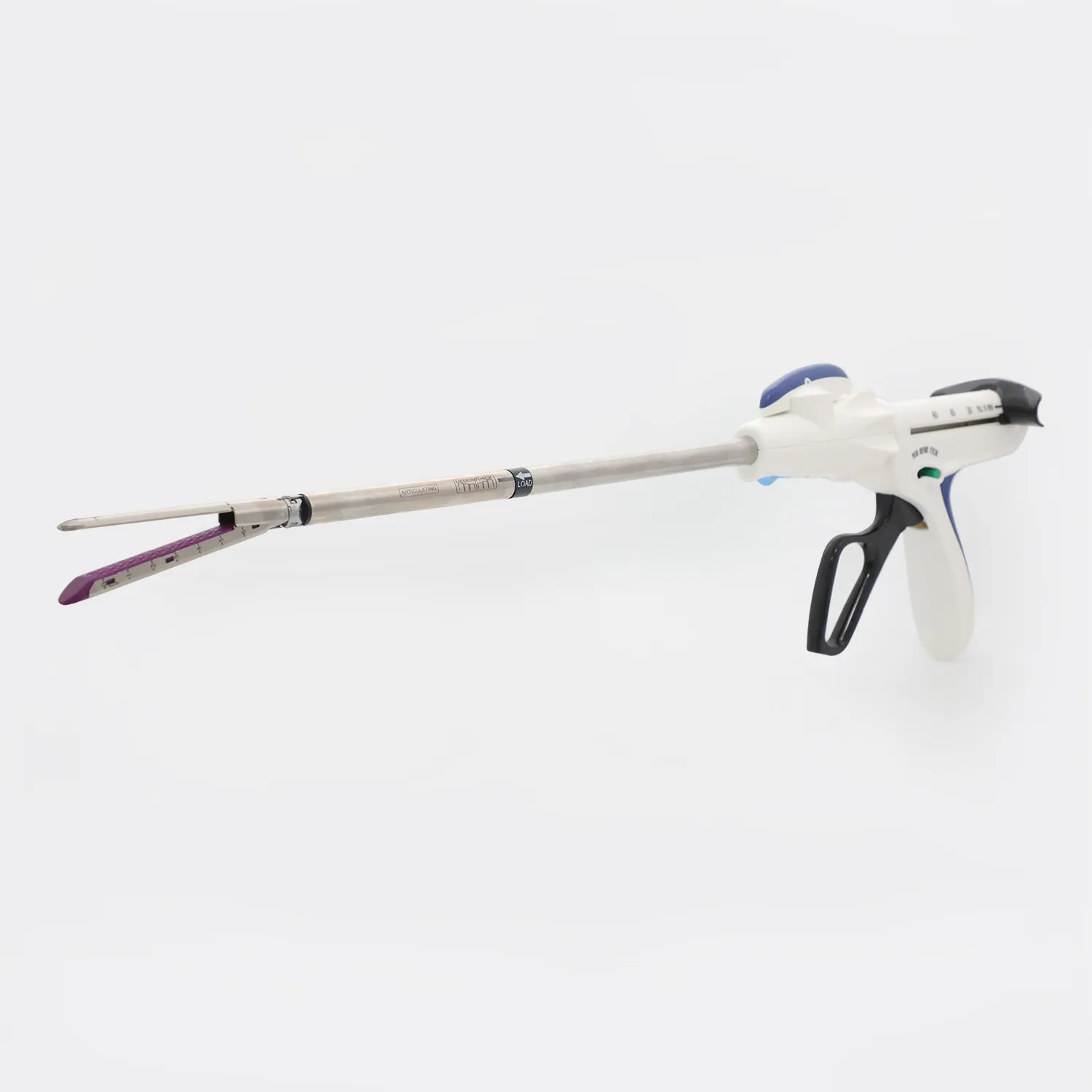
How the Disposable Endo Linear Cutter Stapler Works: Dual-Action Mechanics and Tissue ResponseSequential biomechanics: tissue compression, staple formation, and linear transectionThe disposable endo linear cutter stapler executes a precisely timed, t...
VIEW MORE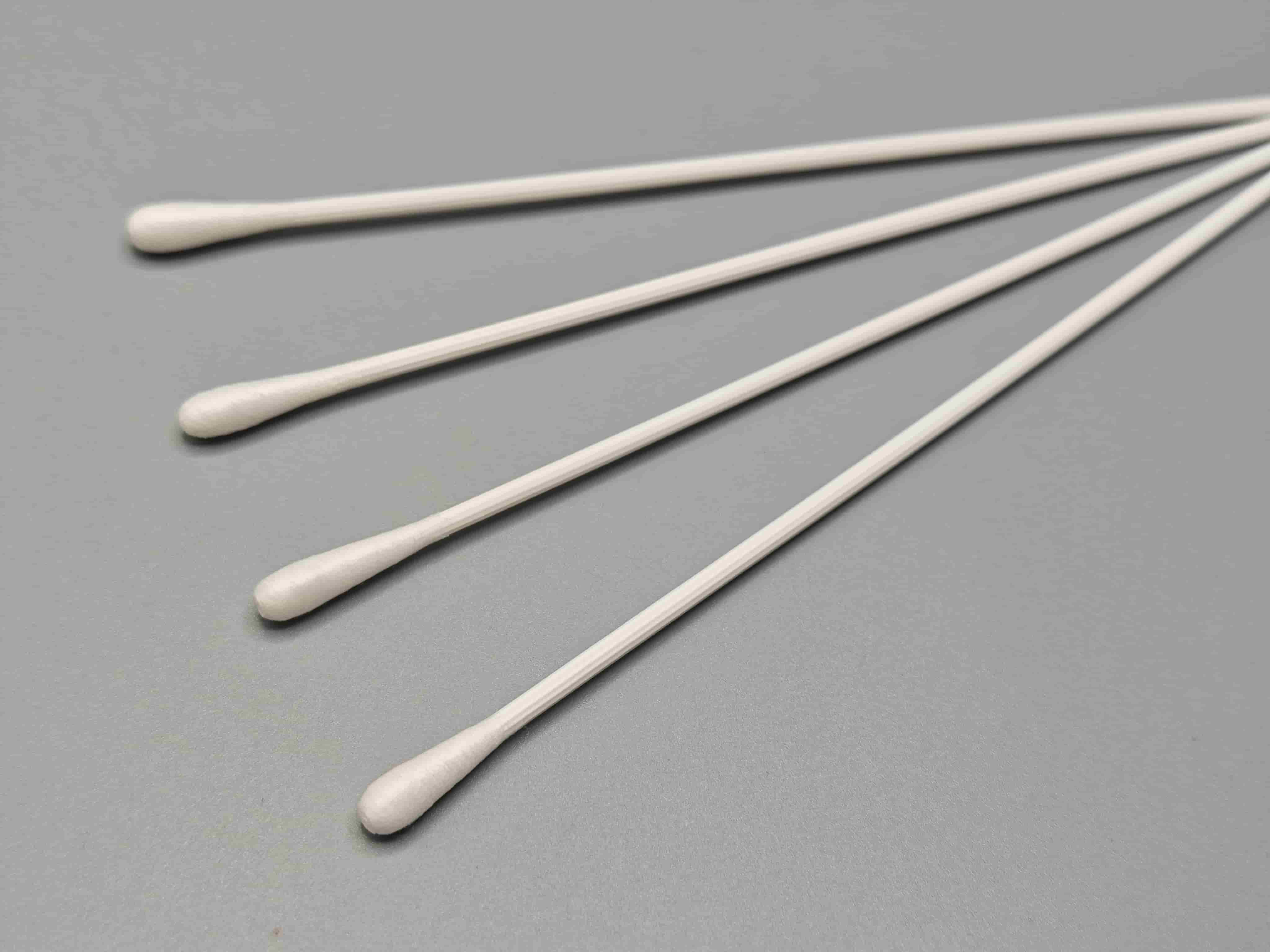
Anatomy and Technique: Performing a Reliable Nasopharyngeal SwabOptimal diagnostic accuracy begins with a technique that merges precise anatomical knowledge with a standardized protocol, ensuring the nasopharyngeal swab reaches the target mucosa with...
VIEW MORE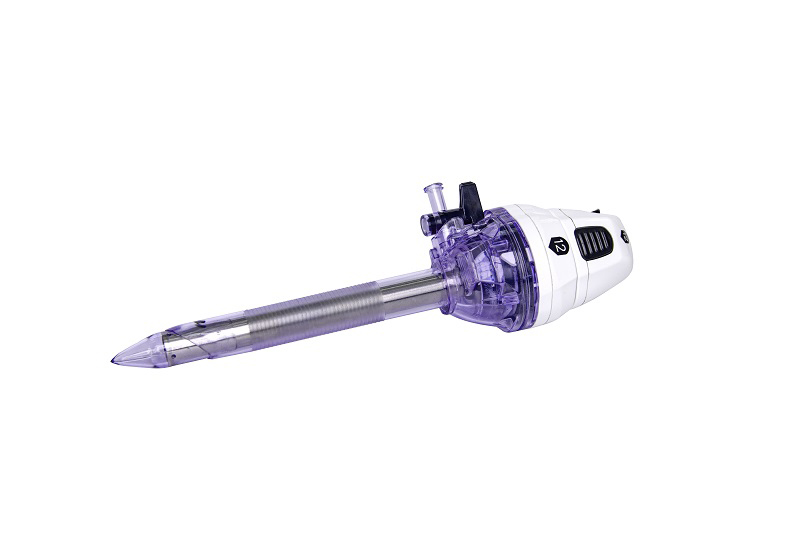
Clinical Rationale: Why the 8mm Disposable Laparoscopic Trocar Is Optimally PositionedThe 8mm disposable laparoscopic trocar occupies a clinically advantageous niche—balancing minimal tissue disruption with the functional demands of modern laparoscop...
VIEW MORE
Why Disposable Sampling Swabs Are Essential for Lab IntegrityLaboratory integrity hinges on the reliability of sample collection—a process where cross-contamination can completely invalidate results. A single compromised sample can trigger a chain of...
VIEW MORE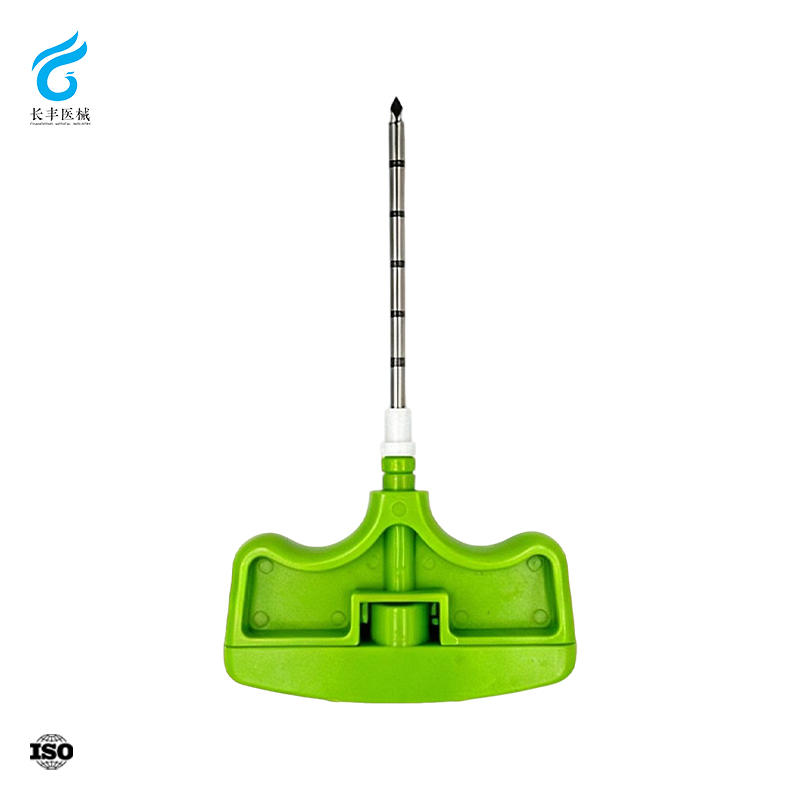
Precision Thermal Control: Minimizing Lateral Spread and Unintended Tissue DamageThermal physics of RF energy delivery and how needle geometry confines heatRadiofrequency (RF) energy generates heat through ionic agitation within tissue—not by direct ...
VIEW MORE
Introduction Nasopharyngeal swab collection plays an important role in respiratory infection testing and molecular diagnostics. The quality of the collected specimen directly influences laboratory analysis. Even when highly sensitive testing platform...
VIEW MORE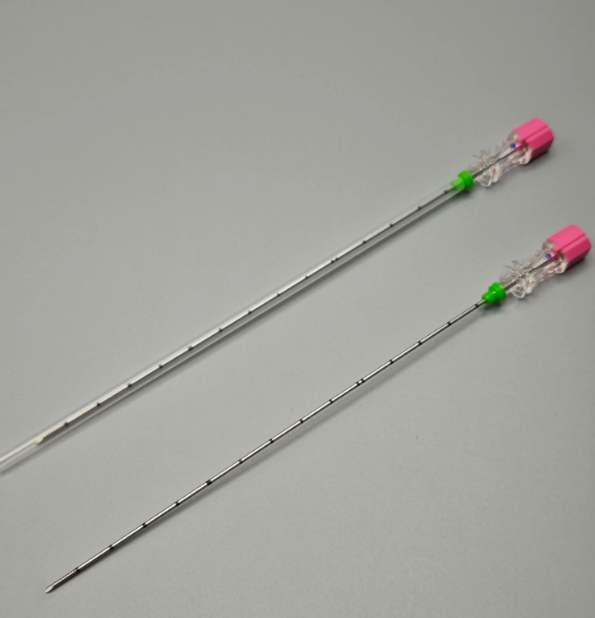
Introduction Ultrasonic surgical needles are widely used in advanced surgical procedures where controlled tissue cutting and coagulation are required. By converting electrical energy into high-frequency mechanical vibration, ultrasonic surgical syste...
VIEW MORE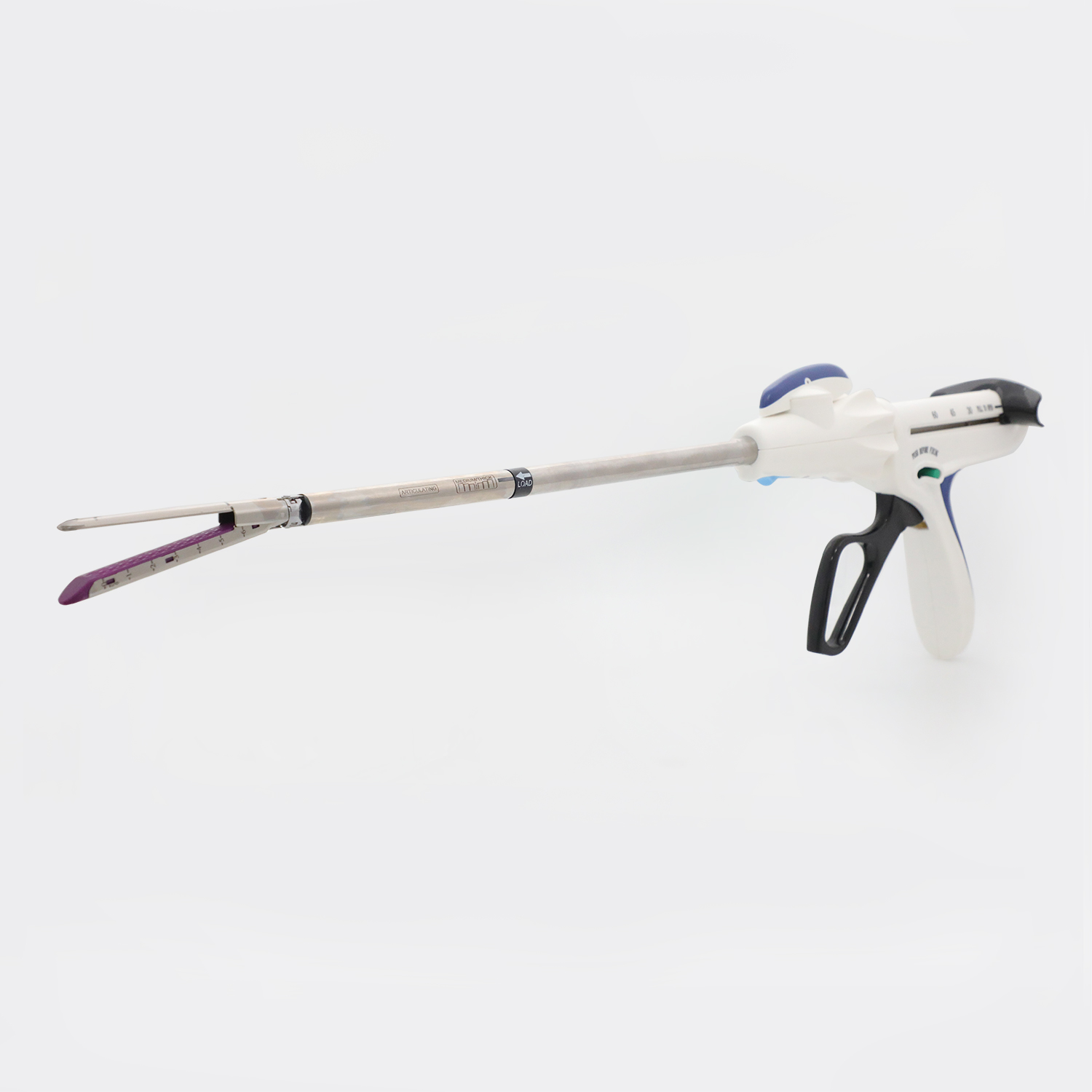
Introduction Disposable automatic biopsy needles are increasingly used in modern biopsy procedures because they combine sterile single-use design with automated sampling mechanisms. Compared with reusable biopsy devices, single-use systems are design...
VIEW MORE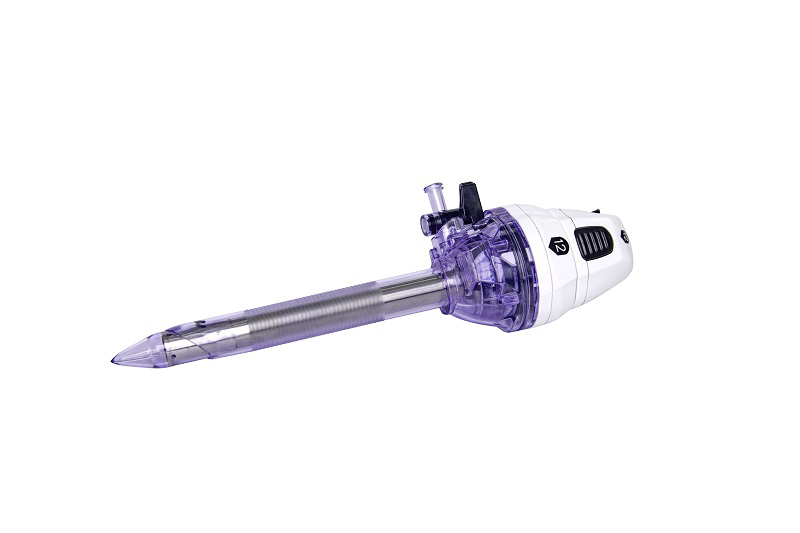
Introduction Urinary catheters are widely used medical devices designed to assist bladder drainage in patients who cannot urinate normally or require continuous monitoring of urinary output. Different catheter types are selected according to clinical...
VIEW MORE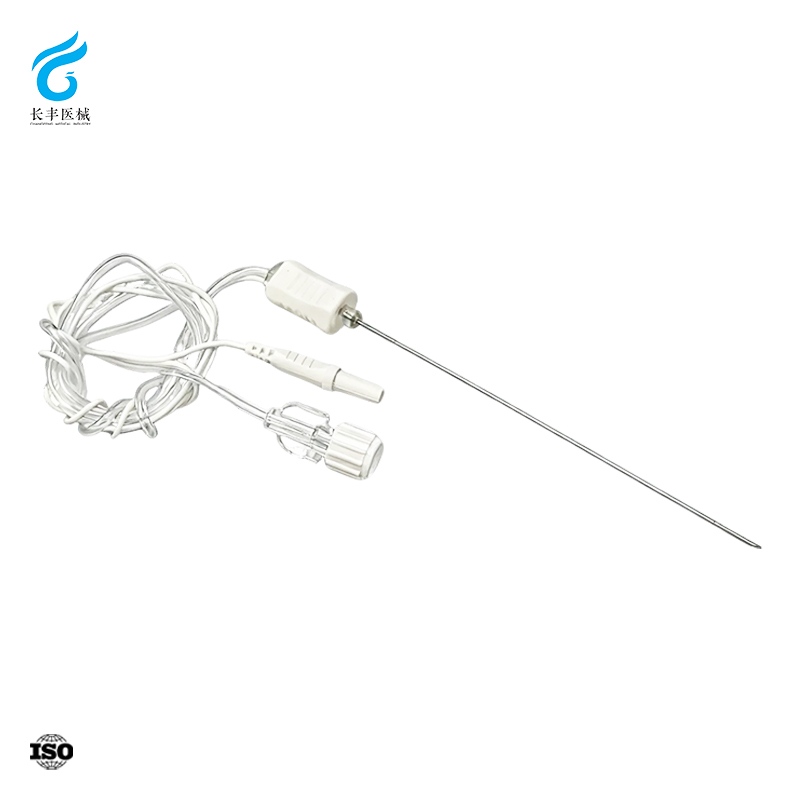
Introduction Liver biopsy remains an important procedure for evaluating liver diseases, including fibrosis, inflammation, and certain liver tumors. The quality of biopsy samples directly affects pathological interpretation, making the design of the b...
VIEW MORE
 EN
EN