
 EN
EN
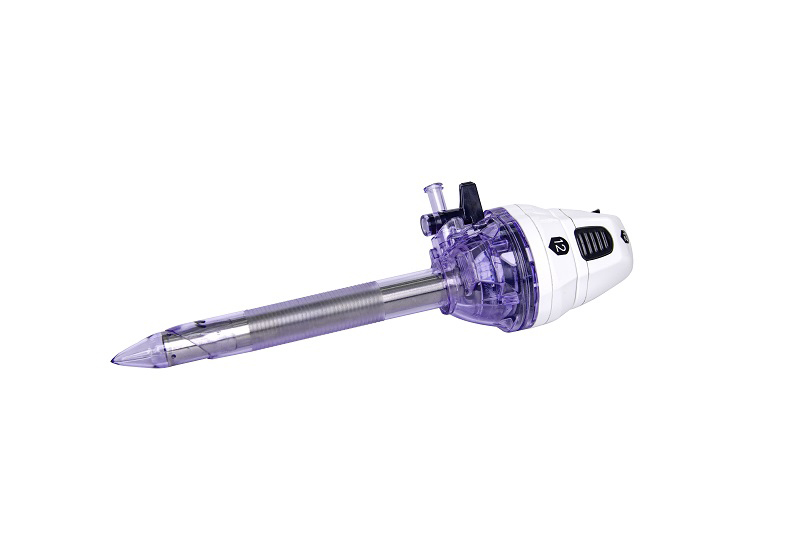
Enhanced Patient Safety Through Single-Use Sterility
Elimination of Cross-Contamination Risk with Consistent Single-Use Design
Disposable trocars used once for laparoscopic procedures cut down on problems from reprocessing because every operation starts fresh with something sterile. Reusable tools tell a different story altogether. Manual cleaning just doesn't always work right, leaving behind bits of biological material that can cause cross contamination between patients. With disposables, there's no guesswork about whether they're clean enough. Plus, since these single use items come straight from consistent manufacturing processes, they don't suffer from the wear and tear issues that plague older reusable trocars. Surgeons get better results when their equipment performs reliably throughout the entire procedure.
Lower Surgical Site Infection Rates: Clinical Evidence Supporting laparoscopic disposable trocars
A 2023 analysis of 12,000 laparoscopic procedures found reusable trocars correlated with a 3.2% surgical site infection (SSI) incidence versus 1.1% for disposables—a 66% reduction directly attributable to guaranteed sterility. This evidence confirms that eliminating even rare reprocessing lapses yields measurable, life-impacting safety gains.
Regulatory Assurance: FDA Clearance and ISO 13485 Compliance as Benchmarks
Trocars that are approved by the FDA through the 510(k) process and meet ISO 13485 standards go through thorough checks for how well they can be sterilized and whether their materials are safe for patients. The requirements include tracking each production batch individually, having independent auditors inspect manufacturing processes, and conducting tests on biological compatibility according to ISO 10993 guidelines. This gives hospital staff real confidence in product quality something that goes way beyond what most facilities manage when they clean and reuse instruments over time. For medical professionals concerned about infection risks, this level of documentation makes all the difference in clinical settings where patient safety is paramount.
Improved Clinical Outcomes: Less Trauma, Faster Recovery
Tissue-Sparing Insertion Mechanics and Optimized Port Placement
Disposable laparoscopic trocars come with those tapered tips and special insertion systems that help cut down on tissue damage when entering the abdomen. The numbers back this up too - studies indicate around 40% less trauma to muscles and blood vessels than what happens with the old school reusable versions. Surgeons appreciate the ergonomic handles and those little markers for placing ports correctly. And since these tips stay sharp after every use (no dulling from repeated sterilization), there's less dragging on tissues which can slow down healing time. Patients generally experience about 30% reduction in pain after surgery according to various clinical reports, which means they get moving sooner and recover faster overall.
Shorter Hospital Stays and Reduced Postoperative Complications (Meta-Analysis Insights)
Meta-analyses of over 12,000 procedures confirm disposable trocars reduce average hospital stays by 1.8 days through minimized internal trauma. Key outcomes include:
| Complication Type | Reduction Rate | Clinical Impact |
|---|---|---|
| Surgical Site Infections | 52% | Fewer antibiotic treatments |
| Incisional Hernias | 67% | Lower reoperation needs |
| Adhesion Formation | 48% | Reduced chronic pain cases |
Faster wound sealing and standardized sterility cut 30-day readmission risks by 60%, reinforcing their role in enhanced recovery after surgery (ERAS®) protocols. Patients resume daily activities four days sooner on average—demonstrating tangible improvements in functional recovery and quality of life.
Precision, Visualization, and Procedure Efficiency
Optical Trocar Integration: Real-Time Guidance and Enhanced Laparoscopic Control
With optical trocars, surgeons get to see exactly what's happening as they insert them, so they can watch each layer of tissue without guessing where things are going. This means placing those laparoscopic disposables down to the millimeter mark, which cuts way down on accidental damage to blood vessels or organs when nobody wants that. Better visibility makes setting up ports much smoother, helps position instruments correctly, and lets doctors adjust their approach right away if something looks off during tricky operations. According to some recent studies from the Journal of Minimally Invasive Surgery back in 2023, surgical teams actually managed to put these trocars in about 23 percent quicker using optical guidance instead of old school methods. That saves time under anesthesia for patients and gets operating rooms ready faster for the next case. The constant visual updates these trocars give really boost control at key moments like when establishing pneumoperitoneum, something that just doesn't happen as reliably with those older reusable options.
Operational and Economic Rationale for Adopting laparoscopic disposable trocars
Total Cost of Ownership: Reprocessing Burden, Sterilization Failures, and OR Downtime with Reusables
Reusable trocars might seem cheaper at first glance, but looking at total cost of ownership tells another story with plenty of hidden expenses popping up. Every time they get cleaned and sterilized, it takes around 10 minutes in the operating room. At roughly $38 per minute according to Am J Surg from 2018, that adds up fast. Plus there's all the labor involved, special cleaning solutions needed, and regular maintenance for the autoclaves. The risk factor is real too. We're talking about a 0.5% chance of infections related to equipment issues based on research from J Endourol back in 2012. These infections lead to longer hospital stays and medical problems costing over $8,000 extra per case as noted in Eur J Surg 2000. And let's not forget about those frustrating moments when operations have to wait because of reprocessing delays or unexpected instrument recalls. On the flip side, going with single-use disposable trocars cuts out all this uncertainty. They come sterile right out of the box, schedules stay on track, and everything flows smoothly without surprises. Factor in all those labor hours lost waiting for cases to start, plus dealing with infection costs, and it becomes pretty obvious why many hospitals find disposables economically advantageous when they care about patient safety and keeping their surgical departments running efficiently day after day.
FAQ Section
Are disposable trocars more cost-effective than reusable ones?
While reusable trocars might appear cheaper initially, considering the total cost of ownership, disposable trocars are economically advantageous. They eliminate reprocessing costs, prevent infection-related expenses, and ensure smooth operations.
How do disposable trocars enhance patient safety?
Disposable trocars reduce cross-contamination risk through their single-use design, ensuring sterility and minimizing surgical site infections, as demonstrated by clinical evidence.
What role does FDA and ISO compliance play in the reliability of trocars?
FDA clearance and ISO compliance ensure rigorous checks for sterility and material safety, boosting confidence in product quality and reducing infection risks in clinical settings.