
 EN
EN
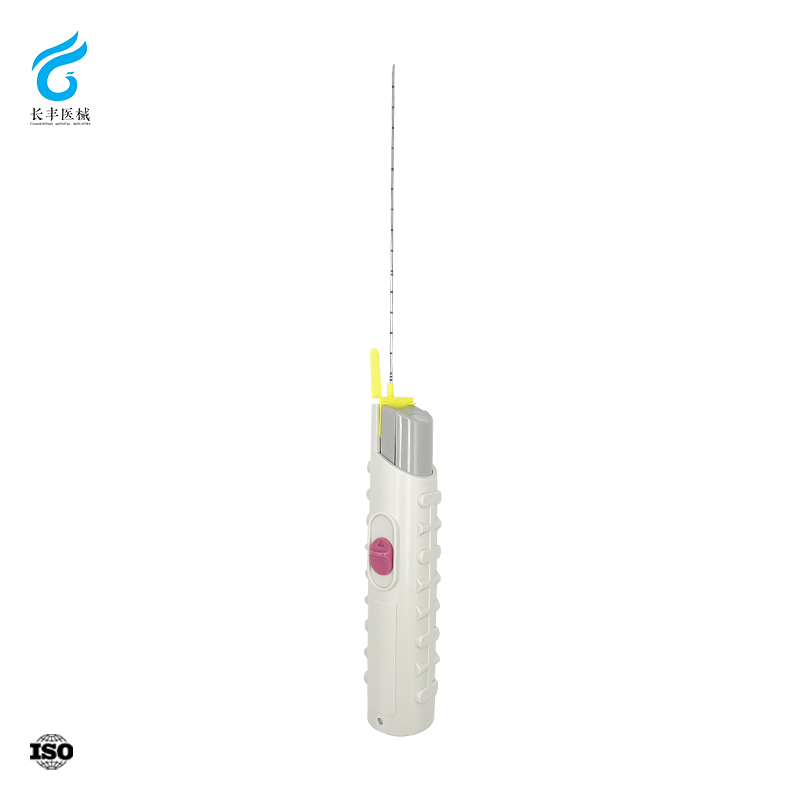
How Disposable Radiofrequency Needles Work: Core Technology and Design Principles
Anatomy of a disposable RF needle: insulated shaft, active tip geometry, and biocompatible materials
Disposable RF needles combine three carefully designed parts that make them safe and reliable in clinical settings. Their insulated shafts, usually made from ceramic coated stainless steel, keep heat focused exactly where it needs to go, so there's no damage to surrounding tissues. When it comes to the active tip design, different shapes serve different purposes. Conical tips pack a punch for deeper issues like problems with spinal nerves, whereas beveled or patterned tips work better for surface level treatments or partial procedures such as skin tightening. Everything used passes the ISO 10993 tests for being safe inside the body, including high quality plastics and metals that resist rust even after repeated sterilizations. And here's something important: because these needles are meant for one time only use, they avoid those tiny cracks that can form when old needles get reused multiple times. This means the tips stay intact, the insulation works properly, and every procedure turns out consistently good.
Radiofrequency delivery mechanics: pulse modulation, depth-specific energy control, and fractional thermal profiling
Disposable RF needles today work with pulsed RF delivery that alternates between therapeutic current and short cooling breaks. This helps avoid charring issues while allowing for much better control over heat application. For depth control, these devices actually monitor impedance in real time and adjust power levels accordingly, keeping lesions accurate within about half a millimeter. Clinical tests on nerve ablations and tumor treatments have confirmed this through intraoperative thermography observations. The fractional thermal profiling technique uses special matrix tips to create tiny coagulation spots ranging from 50 to 200 micrometers apart. These small treatment areas leave surrounding tissues largely intact. Patients experience less swelling after procedures and recover around 40% faster than with older continuous wave systems according to recent studies published in dermatology journals.
Step-by-Step Clinical Implementation of Disposable Radiofrequency Needles
Pre-procedure workflow: patient selection, contraindication screening, and device setup for disposable RF cartridges
Getting good results starts with careful evaluation before any procedure takes place. Doctors check for things they absolutely cannot proceed with, like infections where the device would go in, problems with blood clotting, or existing electronic implants inside the body. These issues show up in about 15% of people dealing with long term pain according to those AANEM and ASRA standards. When setting up the equipment, someone needs to look at whether the sterile packaging looks intact, make sure all the cartridge numbers match what's supposed to be there, then attach everything properly to an RF generator that's been calibrated correctly. Before touching the skin at all, specific calibration steps from each manufacturer need finishing first so the machine can sense resistance accurately and deliver the right amount of energy.
In-procedure execution: needle insertion technique, real-time impedance monitoring, and adaptive energy titration
Using ultrasound or fluoroscopy guidance helps place tips accurately while causing less damage to surrounding tissues. The system constantly checks tissue makeup through impedance monitoring, giving instant updates about what's happening at the needle-tissue boundary. This allows detection of things like fluid movement, broken fascia layers, or poor positioning long before any energy is delivered. Smart built-in software adjusts both the length and strength of pulses automatically when it senses changes in resistance, cutting down on inconsistent lesion sizes by around 40% compared to when doctors have to adjust settings manually. Keeping temperatures within safe ranges during treatment protects nearby nerves and blood vessels from heat damage, something clinicians worry about during procedures.
Post-procedure protocol: safe single-use disposal, biohazard compliance, and documentation for traceability
Once they're pulled back out, those cartridges need to go straight into FDA approved sharps containers that resist punctures. No recapping allowed here folks, just toss them whole. The tracking system requires that we log all lot numbers and serial IDs into the electronic health records according to part 821 of the 21 CFR regulations. This helps meet those tricky U.S. medical device traceability standards everyone's been talking about lately. Hospitals and clinics have to work with certified biohazard waste companies for proper disposal too. They keep detailed records ready for audits at all times to prove they're following the single-use rules completely. And let's not forget about the final paperwork either. We document everything from the energy levels used during procedures to those peak impedance readings. If there was any imaging done to confirm lesions, that goes in there too. Plus we always make sure to note how well patients tolerated the treatment right away before sending off the documentation package.
Evidence-Based Applications of Disposable Radiofrequency Needles Across Specialties
Pain management and oncology: targeted ablation with reduced collateral damage and improved procedural repeatability
Disposable RF needles have become game changers in both pain management and cancer treatment settings. These devices allow doctors to perform extremely precise ablations at the sub-millimeter level on nerves or small tumors, which cuts down on unintended tissue damage by around 40% when compared to older reprocessed versions according to recent histopathology research. The consistent insulation quality and standardized tip design means lesion sizes stay predictable even during multiple procedures over time. This matters a lot for conditions like trigeminal neuralgia where accuracy is everything, as well as for facet joint treatments and palliative care involving tumor coagulation. Getting rid of the need for reprocessing also eliminates potential contamination risks from previous uses something that makes all the difference for patients with weakened immune systems who often need these procedures done several times.
Dermatology and aesthetics: micro-fractional collagen induction using calibrated disposable RF microneedles
Disposable RF microneedles used in dermatology treatments send controlled heat into both layers of the dermis, with penetration depths ranging from half a millimeter to three millimeters. These devices feature a special tip arrangement that forms even tiny coagulation spots across the skin. This process helps boost collagen production without damaging the outer layer of skin. Studies have found these needles cut down on dark spots after inflammation by around 60% compared to traditional RF methods, plus they actually improve how elastic the skin feels and look better over time for scars. Since each device is meant for one patient only, the needles stay sharp for best results and there's no risk of spreading infections between patients. This makes them great for clinics that need to treat many people quickly without long recovery periods.
Why Choose Disposable Radiofrequency Needles? Safety, Efficacy, and Practice Efficiency Advantages
Radiofrequency needles that are thrown away after one use actually make patients safer because they get rid of all those problems from cleaning equipment between surgeries like stubborn biofilms, broken insulation, and weird tip shapes that can cause infections and uneven heat distribution during procedures. From a medical standpoint, these disposables maintain their factory settings so to speak: they give consistent resistance readings, create stable temperature patterns, and form lesions reliably time after time which matters a lot for cancer treatments and cosmetic work where precision counts. For clinics running things day to day, getting rid of the need to sterilize, check, and track used needles saves about 15 to maybe even 20 minutes per operation. Plus, there's less stuff lying around taking up space since inventory costs drop roughly 30 percent compared to reusable options according to some research published last year in the Journal of Clinical Efficiency. All told, when looking at better safety records, solid results, and real time savings, it's no wonder why more hospitals are making disposable RF needles their go to choice especially in busy areas where lots of interventions happen regularly.
FAQ
What are the main components of a disposable RF needle?
Disposable RF needles are made up of an insulated shaft, an active tip, and biocompatible materials to ensure safety and reliability in clinical settings.
How does pulse modulation benefit RF needle procedures?
Pulse modulation helps avoid charring issues and allows for better control over heat application, resulting in more precise treatments with less collateral tissue damage.
What precautions are taken pre-procedure when using disposable RF needles?
Doctors screen for contraindications such as infections, blood clotting issues, or electronic implants and ensure that the device setup is sterile and matches cartridge numbers.
How does real-time impedance monitoring improve procedure outcomes?
Real-time impedance monitoring detects changes in tissue resistance, allowing for adaptive energy titration, which improves accuracy and reduces inconsistencies in lesion sizes.
What are the advantages of single-use disposable RF needles in clinical practice?
Single-use disposable RF needles reduce risks of contamination, ensure consistent performance, and save time and costs associated with sterilization and tracking of reusable equipment.
Table of Contents
- How Disposable Radiofrequency Needles Work: Core Technology and Design Principles
-
Step-by-Step Clinical Implementation of Disposable Radiofrequency Needles
- Pre-procedure workflow: patient selection, contraindication screening, and device setup for disposable RF cartridges
- In-procedure execution: needle insertion technique, real-time impedance monitoring, and adaptive energy titration
- Post-procedure protocol: safe single-use disposal, biohazard compliance, and documentation for traceability
- Evidence-Based Applications of Disposable Radiofrequency Needles Across Specialties
- Why Choose Disposable Radiofrequency Needles? Safety, Efficacy, and Practice Efficiency Advantages
-
FAQ
- What are the main components of a disposable RF needle?
- How does pulse modulation benefit RF needle procedures?
- What precautions are taken pre-procedure when using disposable RF needles?
- How does real-time impedance monitoring improve procedure outcomes?
- What are the advantages of single-use disposable RF needles in clinical practice?