
 EN
EN
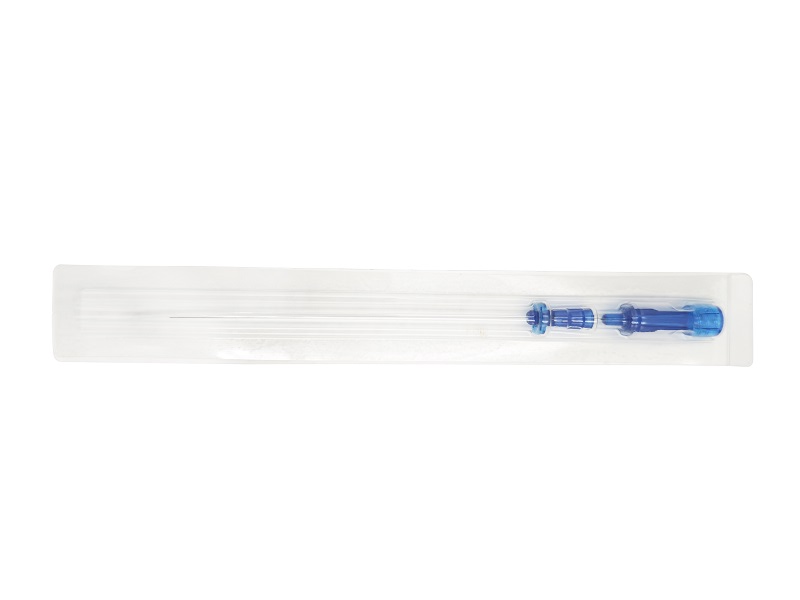
Core Clinical Indications for the 3 Way Foley Catheter
A 3-way Foley catheter is specifically designed for continuous bladder irrigation (CBI) alongside urine drainage. Its third lumen enables sterile irrigation fluid to flow into the bladder while the primary drainage lumen removes fluid, blood, and clots—reducing the risk of clot retention and urinary obstruction.
The primary clinical indication is active or significant hematuria, particularly following transurethral resection of the prostate (TURP) or transurethral resection of bladder tumors (TURBT). Post-procedural bleeding from the prostatic fossa or tumor bed can generate clots that obstruct standard Foley catheters, leading to painful urinary retention and bladder distention. Continuous irrigation via a 3-way catheter dilutes blood, flushes small clots before they occlude the eyelets, and maintains patency without repeated instrumentation.
Beyond post-surgical care, this device is indicated in severe gross hematuria due to trauma, anticoagulation therapy, or radiation cystitis. CBI supports real-time assessment of bleeding activity: dark red output signals ongoing hemorrhage requiring escalation, while clearing to pink or pale yellow suggests resolution. In select oncologic settings, the dedicated irrigation port also facilitates targeted intravesical therapy, such as mitomycin delivery after TURBT—ensuring precise, undiluted agent instillation without contamination from drained urine.
The 3-way catheter is contraindicated for routine indwelling drainage in patients without active hematuria or irrigation needs. The additional lumen increases bacterial entry points and infection risk; thus, clinicians must confirm a clear indication before use. When appropriately selected and managed, it significantly reduces the need for manual clot aspiration, repeat catheterizations, and associated complications—shortening hospital stays and improving patient comfort.
How the 3 Way Foley Catheter Works: Anatomy and Irrigation Mechanics
The 3-way Foley catheter features three distinct lumens: one for urine and irrigation fluid drainage, a second for balloon inflation (typically with 10–30 mL sterile water), and a dedicated third lumen for irrigation fluid infusion. This tri-lumen design allows simultaneous inflow and outflow—enabling continuous bladder irrigation without catheter displacement or pressure buildup.
Sterile isotonic saline is most commonly used as the irrigation fluid. It flows into the bladder under controlled, low-pressure conditions (typically <40 cm H₂O), while the larger-diameter drainage lumen evacuates the infused fluid along with blood, clots, and debris. This dynamic balance prevents clot formation, minimizes mucosal trauma, and preserves bladder compliance—critical during recovery from procedures like TURBT.
Unlike standard two-way catheters, the 3-way system eliminates the need to alternate between irrigation and drainage, reducing manipulation-related injury and infection risk. Flow rates are titrated to clinical goals and patient tolerance—often initiated at 100–150 mL/hr—and adjusted based on output clarity and volume, not fixed schedules.
Performing Continuous Bladder Irrigation with a 3 Way Foley Catheter
Continuous bladder irrigation (CBI) using a 3-way Foley catheter is a cornerstone of post-TURBT and post-TURP management to prevent clot retention and maintain bladder patency. Success hinges on balancing irrigation inflow with unobstructed outflow while avoiding overdistension.
Optimizing Irrigation Fluid, Flow Rate, and Real-Time Monitoring
Use isotonic saline as the preferred irrigation fluid; sterile water may be used short-term but carries a theoretical risk of hemolysis with prolonged exposure. Initiate flow at 150–200 mL/hr and adjust incrementally based on output color: persistent dark red output warrants increased flow, whereas light pink or clear return supports gradual reduction.
Monitor the drainage bag every 30 minutes. A bag filling at approximately two-thirds capacity over an hour indicates adequate outflow. Sudden decreases in return volume—or absence of output despite continued inflow—suggest catheter blockage, kinking, or balloon migration. Immediate assessment and gentle irrigation flush (using a 60-mL syringe with saline, not forceful injection) may restore patency.
Low- vs. High-Pressure Irrigation in Post-TURBT Recovery
Low-pressure irrigation (<40 cm H₂O) is the evidence-based standard for routine CBI. It minimizes bladder wall trauma, lowers perforation risk, and supports mucosal healing. High-pressure irrigation should be reserved for acute, life-threatening clot retention and used only briefly—ideally under urologic guidance—as it increases mucosal injury and spasm risk. Most institutional protocols emphasize initiating low-pressure CBI and escalating pressure only if output remains persistently bloody and unresponsive to flow-rate adjustments.
Key Risks and Evidence-Based Mitigation Strategies
While essential in specific clinical scenarios, the 3-way Foley catheter introduces distinct risks requiring vigilant, protocol-driven management. Catheter-associated urinary tract infections (CAUTI) remain the most frequent complication—linked to prolonged dwell time, breaks in sterile technique, or contaminated irrigation systems. Mechanical complications include catheter blockage (most often from clots), balloon rupture during irrigation, bladder spasms causing bypassing or expulsion, and mucosal trauma from high-pressure or turbulent flow.
Evidence-based mitigation begins with strict adherence to sterile insertion and closed-system maintenance per CDC and SHEA guidelines. Perform hand hygiene before any contact, avoid disconnections, and ensure secure tubing positioning to prevent kinking. Continuously monitor outflow: a sustained discrepancy between inflow and outflow (>10–15% imbalance) warrants prompt investigation for obstruction. Maintain accurate, real-time input-output records to detect early signs of retention or renal compromise.
Replace the catheter every 2–4 weeks per facility policy—longer durations increase biofilm formation and CAUTI risk. Avoid overinflation of the balloon; inflate only to the manufacturer-specified volume (usually 10–30 mL) using sterile water. Staff education is critical: frontline providers must recognize early indicators of infection (fever, suprapubic pain, cloudy/foul-smelling output), mechanical failure (sudden output cessation, visible clots in tubing), and autonomic dysreflexia in susceptible populations.
These strategies—grounded in IDSA, AUA, and national CAUTI prevention frameworks—support safe, effective use of the 3-way Foley catheter in hemorrhagic and post-resection bladder management.
FAQ
What is the primary purpose of a 3-way Foley catheter?
It is used for continuous bladder irrigation (CBI) in addition to urine drainage. This helps prevent clot retention and obstruction, especially in cases of significant hematuria or after surgical procedures like TURP or TURBT.
What type of fluid is typically used for irrigation?
Sterile isotonic saline is the preferred choice for irrigation fluid due to its safety and effectiveness.
How can catheter blockage be detected?
Sudden decreases in return volume from the drainage bag or no output despite continued inflow suggest blockage. Gentle irrigation may restore patency.
What are the risks associated with using a 3-way Foley catheter?
Key risks include catheter-associated urinary tract infections (CAUTI), blockages, balloon ruptures, and bladder trauma. Proper management and adherence to sterile technique can mitigate these risks.
Why is low-pressure irrigation recommended?
Low-pressure irrigation (<40 cm H₂O) minimizes bladder wall trauma and supports mucosal healing during recovery, while high-pressure should only be used in limited critical situations.