
 EN
EN
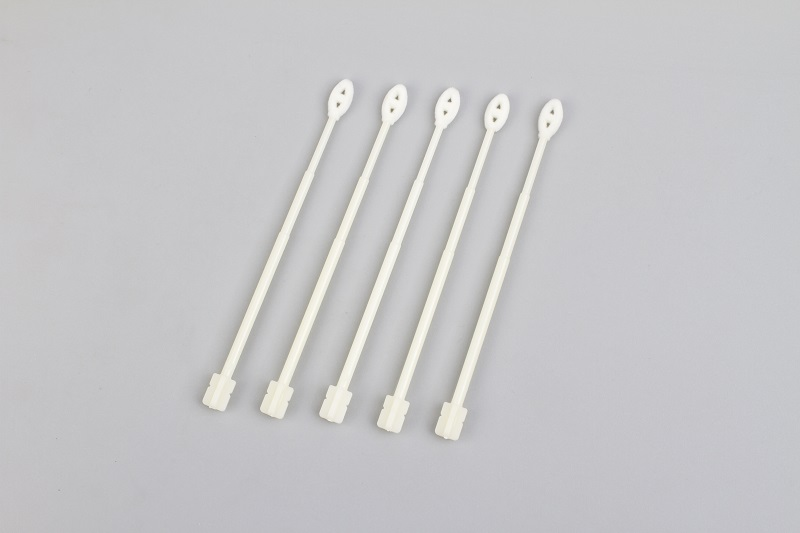
Why Cervical Sampling Swabs Matter for HPV Test Sensitivity
Nylon-flocked swabs boost epithelial cell recovery by 35–42% vs. cotton or rayon
The material of a cervical sampling swab directly determines how many epithelial cells reach the laboratory. Nylon-flocked swabs—featuring short, perpendicular fibers—improve cell recovery by 35–42% compared to cotton or rayon alternatives. This design more effectively disrupts the cervical mucus layer and releases captured cells into liquid media with minimal entrapment. Higher cell yields translate into a larger DNA or RNA target for HPV assays, reducing false-negative risk. Laboratories adopting nylon-flocked swabs report consistently improved sample adequacy rates—making them a foundational choice for high-stakes screening programs where diagnostic confidence is non-negotiable.
Impact on low-viral-load detection: COBAS HPV sensitivity drops from 96.2% to 87.4% with suboptimal swabs
Suboptimal swabs—particularly cotton or rayon—significantly erode HPV test sensitivity, especially in low-viral-load infections. In controlled studies, the COBAS HPV test achieves 96.2% sensitivity when paired with optimized cervical sampling swabs, but falls to 87.4% with inferior collection materials. This nearly 9-percentage-point decline means over one in ten high-risk HPV infections may be missed—delaying clinical intervention and increasing progression risk. For CIN2+ detection, the gap underscores that swab selection is not a logistical detail but a critical pre-analytical variable directly tied to diagnostic accuracy and patient outcomes.
Cervical Sampling Swabs and NAAT Performance for Chlamydia and Gonorrhea
Specimen stability: Aptima swabs preserve nucleic acids at room temperature for 28 days; cotton degrades targets within hours
Cervical sampling swab choice profoundly impacts NAAT reliability for Chlamydia trachomatis and Neisseria gonorrhoeae. Aptima swabs—engineered with nylon flock fibers—preserve nucleic acid integrity at room temperature for up to 28 days, eliminating the need for cold-chain transport and supporting flexible logistics. By contrast, conventional cotton swabs degrade RNA and DNA targets within hours due to cellular entrapment and introduction of PCR-inhibiting substances. This instability elevates false-negative risk, particularly for low-burden infections where even brief degradation can push analyte levels below assay thresholds. Switching to validated cervical sampling swabs improves test sensitivity, reduces repeat collections, and strengthens molecular STD diagnostics across diverse care settings.
Self-Collection Devices: Validated Alternatives Using Cervical Sampling Swabs
Evalyn Brush and similar FDA-cleared devices achieve >92% concordance with clinician-collected samples for high-risk HPV
Self-collection devices built around purpose-designed cervical sampling swabs now offer rigorously validated alternatives to clinician-collected specimens for HPV screening. FDA-cleared tools like the Evalyn Brush demonstrate >92% concordance with standard clinician-collected samples for high-risk HPV detection. This performance stems from engineered swab tips that ensure robust cellular transfer—unlike non-validated consumer products, which often fail to capture sufficient epithelium. Clinical validation studies confirm these devices meet lab-grade standards when used with appropriate transport media and processing protocols. Their reliability expands equitable access to cervical cancer screening—particularly for underserved, rural, or hesitant populations—without compromising diagnostic fidelity.
Beyond the Swab: Critical Pre-Analytical Factors That Interact with Cervical Sampling Swabs
Pre-analytical variables account for 50–75% of laboratory testing errors (Whipple 2020). Patient preparation, collection technique, transport temperature, processing delays, and storage duration all influence nucleic acid integrity—and interact critically with cervical sampling swab performance. Even a high-quality nylon-flocked swab cannot compensate for prolonged room-temperature storage, repeated freeze-thaw cycles, or improper transport media. A specimen collected correctly may still yield unreliable results if refrigeration is delayed or tube additives are omitted. Clinicians and labs must therefore standardize end-to-end protocols—from anatomical site selection and immediate cooling to timely analysis—to fully realize the diagnostic advantages of advanced cervical sampling swabs. These steps are as essential as the swab itself in ensuring accurate HPV and STD test outcomes.
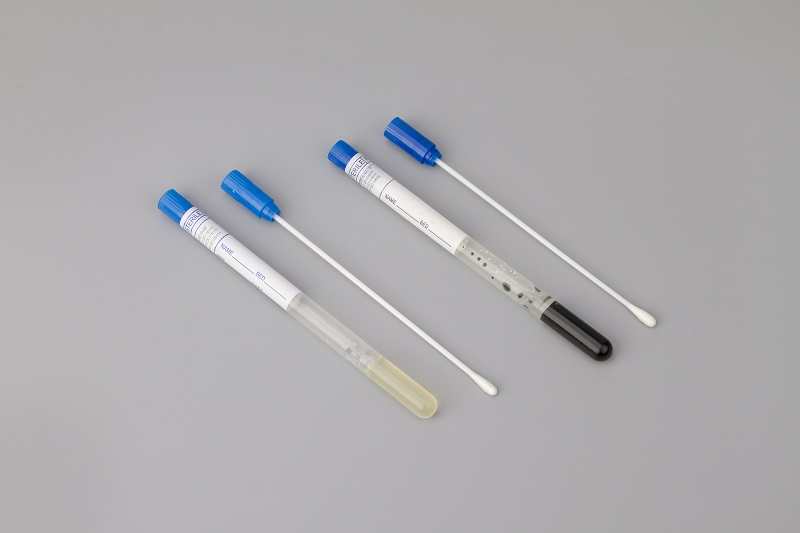
Frequently Asked Questions (FAQ)
Why are nylon-flocked swabs better than cotton or rayon swabs?
Nylon-flocked swabs improve epithelial cell recovery by 35–42% compared to cotton or rayon, ensuring higher DNA or RNA yield and reducing false-negative risks.
How do suboptimal swabs affect HPV test sensitivity?
Suboptimal swabs, like cotton or rayon, can drop HPV test sensitivity from 96.2% to 87.4%, significantly increasing the chances of missed high-risk HPV infections.
Can validated self-collection devices replace clinician-collected samples?
Yes, tools like the Evalyn Brush offer >92% concordance with clinician-collected samples for high-risk HPV detection, making them reliable for self-collection.
What factors besides swab type influence test outcomes?
Pre-analytical factors like patient preparation, transport conditions, and processing protocols critically affect test accuracy and swab performance.
Table of Contents
- Why Cervical Sampling Swabs Matter for HPV Test Sensitivity
- Cervical Sampling Swabs and NAAT Performance for Chlamydia and Gonorrhea
- Self-Collection Devices: Validated Alternatives Using Cervical Sampling Swabs
- Beyond the Swab: Critical Pre-Analytical Factors That Interact with Cervical Sampling Swabs
- Frequently Asked Questions (FAQ)