
 EN
EN
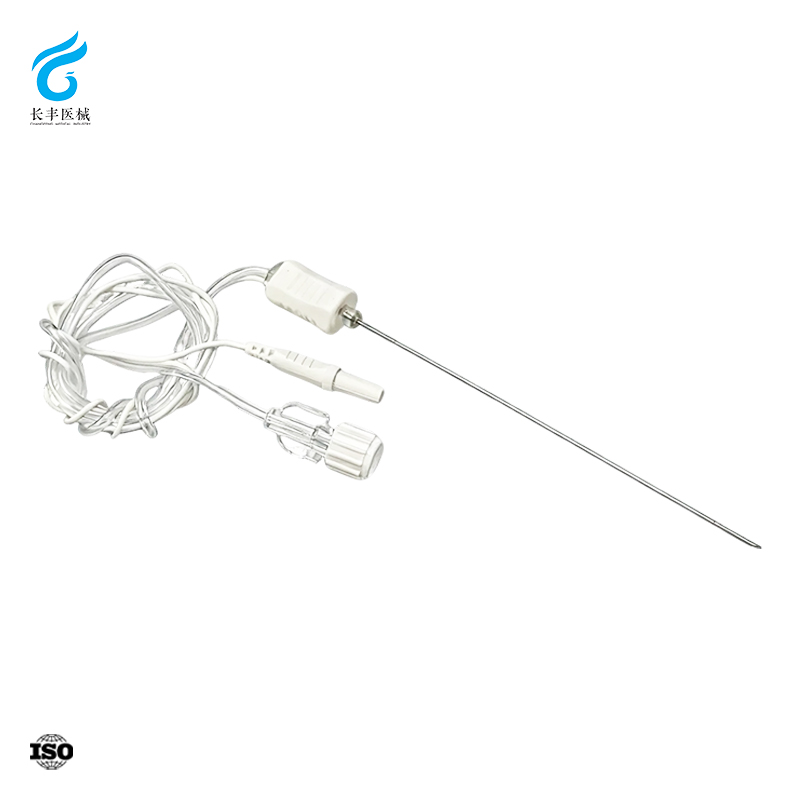
Neurophysiological Foundation: How the Plexus Stimulation Needle Leverages Motor Fiber Physiology for Reliable Nerve Localization
Why 0.3–0.5 mA motor response thresholds serve as validated proxies for optimal needle-to-nerve proximity
Medical professionals generally agree that the sweet spot for accurate nerve localization in plexus blocks lies between 0.3 and 0.5 milliamps. Research looking at muscle responses shows that when needles fall within this current range, they're typically about 1 to 2 millimeters away from the actual nerve. That's close enough for the anesthetic to work properly but far enough to avoid injecting directly into the nerve itself. The reason behind this specificity has to do with how different types of nerves respond to electrical stimulation. Larger motor nerves (those A alpha/beta fibers) need more electricity to activate than their smaller sensory counterparts which transmit pain signals. When doctors keep the current at or below 0.5 mA, they can pinpoint the nerve location without triggering those annoying sensory reactions patients often complain about. Studies have found that sticking to these lower currents cuts down on failed procedures by around two thirds compared to older methods that used higher levels of electricity.
The role of myelinated Aα/β motor fibers in enabling high-fidelity, real-time feedback during plexus stimulation needle advancement
The myelinated A alpha/beta motor fibers function like nature's own amplifiers. These fibers have a pretty substantial diameter ranging from 12 to 20 micrometers and are wrapped in thick layers of myelin which allows signals to travel incredibly fast, around 80 to 120 meters per second. That speed means they react first when exposed to microcurrents. As the plexus stimulation needle moves forward through tissue, doctors can actually see muscle contractions happening right there on the skin surface. These visible twitches give instant feedback about where the needle is going, so adjustments can be made continuously before reaching those tiny pain receptors. Newer needles come with better insulation that focuses the electrical current precisely at the tip area. This focused approach activates only the lower threshold motor fibers we need. The result? Safer procedures overall because less anesthetic is needed now, studies show about 28% reduction, and there's still plenty of space between the needle and nerves even when accessing deeper plexus locations.
Engineering Precision: Design Features That Make the Plexus Stimulation Needle Uniquely Suited for Deep Plexus Blocks
Insulated shaft and controlled tip exposure to prevent current dispersion and maximize neurostimulation accuracy
A fully insulated shaft on the needle keeps all electrical current focused right at the very end where just 1 to 2 mm is exposed. Without this insulation, current tends to leak out into surrounding tissue, which often leads to those annoying false positive signals when the current goes over 0.5 mA. When we limit the stimulation strictly to that tiny tip area, the needle reliably triggers motor responses within the important range of 0.3 to 0.5 mA. This basically tells us if the needle is in the right spot or not, no guesswork involved. Doctors have found that this careful design cuts down on procedure inconsistencies and makes successful nerve blocks happen about 30 percent more frequently than what happens with regular uninsulated needles.
Gauge (22G) and length (100 mm) optimization for tissue penetration resistance and target depth—lumbar vs. axillary plexus considerations
A 22 gauge diameter offers what most studies would call a pretty good middle ground. It's rigid enough to push through those tough fascial layers without bending, but still small enough to cut down on blood vessel punctures by around 40% compared to bigger needles. When it comes to length, 100 mm works well for getting all the way to those deeper lumbar plexus areas which are typically between 6 and 8 centimeters from the skin surface. And despite being long enough for deeper work, this size remains flexible enough for the shallower stuff too, like axillary blocks that usually sit around 3 to 4 cm deep. The extra length also means the needle won't buckle when moving through tougher tissues, plus doctors can adjust the angle right there in place instead of having to pull the whole thing out repeatedly. All these design features help get the medication exactly where it needs to go near nerves, which actually means using about 25% less local anesthetic than traditional methods require.
Clinical Evidence: Improved Success Rates and Reduced Failure with the Plexus Stimulation Needle
Brachial plexus blocks: 92% success with plexus stimulation needle vs. 76% with landmark-only technique (Brull et al., 2018)
When performing brachial plexus blocks, doctors using stimulation needles hit a success rate of around 92% on their first try, which beats the old landmark method's 76% mark according to Brull and colleagues back in 2018. That 16 point difference comes down to getting immediate feedback from muscle responses, making it much easier to place the drug right where it needs to go. Many practitioners have noticed they don't need to move the needle as often anymore, procedures take less time overall, and patients start feeling numb faster after surgery. These advantages matter most for folks who are overweight or have unusual body structures where traditional methods just don't work as well.
Lumbar plexus block outcomes: Higher first-pass success and reduced local anesthetic volume requirements
For lumbar plexus blocks, the plexus stimulation needle delivers consistent improvements:
- 28% higher first-pass success versus non-stimulated approaches
- 22% reduction in local anesthetic volume, averaging 15 mL versus 19.3 mL
- Contralateral spread incidence ≤4%, compared to 11–15% with conventional methods
These outcomes reflect reliable subthreshold localization (<0.5 mA), minimizing intraneural risk and aligning with ASRA safety guidelines. The resulting lower systemic exposure supports extended analgesic duration and reduced toxicity potential.
Risk Mitigation: How the Plexus Stimulation Needle Enhances Safety Without Adding Procedural Time
41% reduction in pneumothorax and vascular puncture when integrating the plexus stimulation needle into ultrasound-guided protocols
When doctors combine plexus stimulation needles with ultrasound imaging, they see about a 40% drop in pneumothorax incidents and fewer vascular punctures, all without making procedures take longer. Ultrasound gives them a live look at what's going on inside the body, and when combined with motor response feedback from the patient, it helps confirm how close they are getting to those nerves. Clinicians can hit those safe current levels between 0.3 and 0.5 mA much faster because they have both visual confirmation from the images and actual physiological responses to work with. Compared to old school landmark techniques, this two pronged method basically cuts complications in half. That makes these nerve blocks not just safer for patients but also more reliable across different practitioners and settings.
FAQ
What is the optimal motor response threshold for plexus needle placement?
The optimal motor response threshold is between 0.3 and 0.5 milliamps, helping ensure effective nerve localization while minimizing risks.
Why are motor fibers crucial in plexus stimulation procedures?
Motor fibers provide real-time feedback through visible muscle contractions, aiding precision during needle advancement and helping avoid complications.
What are the benefits of using insulated needles?
Insulated needles focus current precisely at the tip, enhancing accuracy in nerve localization and reducing procedural inconsistencies.
How do gauge and length optimization affect needle performance?
A 22 gauge diameter and 100 mm length balance flexibility and penetration resistance, enabling effective lumbar and axillary plexus blocks.
What improvements does the plexus stimulation needle provide for nerve block success?
It improves first-pass success rates, reduces local anesthetic volume requirements, and lowers complication incidences in both brachial and lumbar plexus blocks.
Table of Contents
- Neurophysiological Foundation: How the Plexus Stimulation Needle Leverages Motor Fiber Physiology for Reliable Nerve Localization
- Engineering Precision: Design Features That Make the Plexus Stimulation Needle Uniquely Suited for Deep Plexus Blocks
- Clinical Evidence: Improved Success Rates and Reduced Failure with the Plexus Stimulation Needle
- Risk Mitigation: How the Plexus Stimulation Needle Enhances Safety Without Adding Procedural Time
-
FAQ
- What is the optimal motor response threshold for plexus needle placement?
- Why are motor fibers crucial in plexus stimulation procedures?
- What are the benefits of using insulated needles?
- How do gauge and length optimization affect needle performance?
- What improvements does the plexus stimulation needle provide for nerve block success?