
 EN
EN
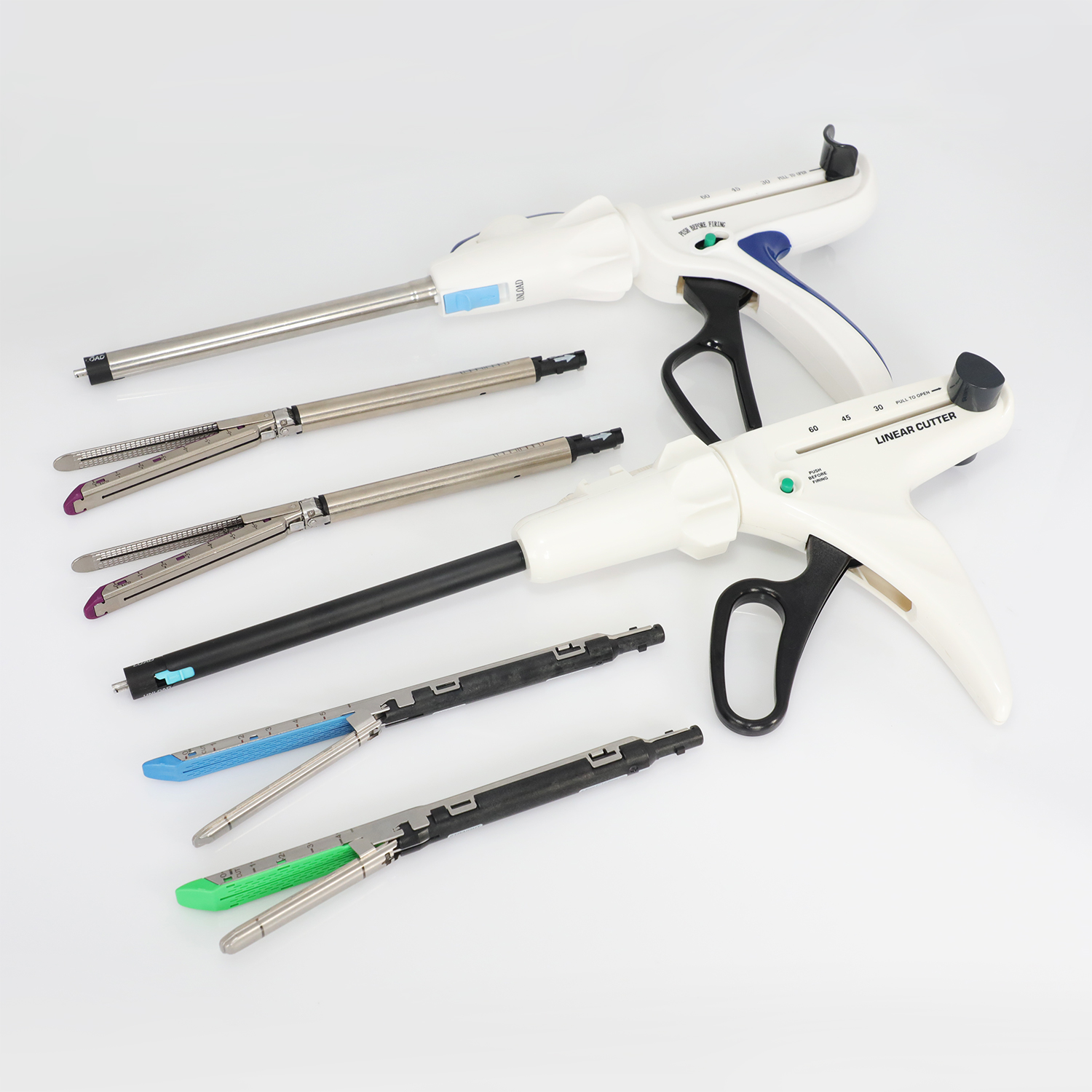
Enhanced Patient Safety Through Single-Use Sterility
Elimination of Cross-Contamination Risk with Fully Disposable Architecture
The latest generation of endoscopic linear cutters and staplers designed as completely disposable units significantly reduces the risk of cross contamination that comes with using reprocessed surgical tools. These single use alternatives stand apart from traditional reusable instruments which rely heavily on sterilization processes that can go wrong at multiple stages. With each unit coming pre sterilized and sealed straight from the factory, there's no need to worry about potential issues that plague older systems. The main problems disappear when switching to disposables: stubborn biofilms hiding in hard to reach parts of the instruments, mistakes made by staff during cleaning procedures, and occasional breakdowns of sterilization machines themselves. Hospitals adopting this approach report fewer complications related to instrument cleanliness.
When patients get brand new devices for their procedures, it helps cut down on those nasty surgical site infections. The Centers for Disease Control did some research back in 2022 looking at hospitals across the country, and they found that when facilities switched to using single use instruments, infection rates dropped by around 17% on average at these 42 major teaching hospitals. But there's another angle to consider too. Getting rid of the need to clean and reuse equipment saves money in ways people often overlook. Think about all the time staff spend cleaning tools between surgeries, running tests to make sure everything is safe, and keeping those expensive sterilizers working properly. All those hours and expenses disappear with disposables, which means operating rooms can focus more attention where it really matters - taking care of actual patients rather than worrying about equipment upkeep.
Regulatory Assurance: FDA 510(k) Clearance and ISO 13485 Compliance
Hospitals can trust these medical devices since they go through the FDA's 510(k) clearance process and come from manufacturers certified under ISO 13485 quality standards. This gives healthcare facilities real documentation and audit trails that confirm both safety and how well the products actually work. When it comes to getting that 510(k) approval, there are several important factors considered. First, biocompatibility tests follow ISO 10993 guidelines for things like cytotoxicity. Then there's making sure everything stays sterile, which requires validation from outside experts who run their own reports. And finally, the devices must perform properly in real world situations, so they're tested on benches with conditions that mimic what happens when placed inside human tissue during actual procedures.
ISO 13485 certification ensures ongoing rigor: annual facility audits, batch-level traceability from raw materials to final packaging, and validated sterilization methods—including ethylene oxide processing with parametric release. Together, these frameworks streamline Joint Commission and DNV accreditation reviews while reinforcing institutional accountability for device-related outcomes.
Optimized OR Workflow with the Integrated Reloading Unit
Implementing a disposable endo linear cutter stapler and integrated reloading unit streamlines Operating Room workflow by removing manual reload steps that disrupt surgical rhythm. Pre-loaded, single-use cartridges enable continuous firing without instrument disassembly—reducing delays and supporting real-time team coordination.
Time Savings Per Case: 3.2-Minute Reduction vs. Manual Reload Systems
According to research featured in the Surgical Efficiency Journal last year, surgeons are saving around 3 minutes per operation when using automated systems instead of traditional manual reload methods. The main reason? Cartridges can be deployed instantly during tissue cutting, so there's no need to stop and reload, adjust settings again, or move trocars around mid-procedure. For surgeries where every second counts, such as colon operations near the rectum area or lung biopsies, these saved minutes make a real difference. Patients spend less time under anesthesia, doctors don't have to keep pausing to fix things, and hospitals can fit more cases into their schedule each day without compromising quality.
Ergonomic Design for Seamless Trocar Integration and One-Handed Actuation
This reloading unit comes with a sleek, low profile nose cone that works perfectly with standard 12mm trocars. The design helps cut down on tissue damage at the entry point and makes it easier to get good angles during procedures. Surgeons will appreciate the single handed operation system which lets them keep their eyes on what matters most when firing off those staples. This setup follows guidelines from nursing professionals who care deeply about operating room ergonomics. We've also added special textured areas where fingers naturally rest plus made sure the whole thing feels just right in the hand. These small touches make all the difference after hours of surgery, helping doctors place each staple correctly without slowing things down in between steps.
Consistent Clinical Performance Across Diverse Tissue Types
Tissue-Adaptive Staple Formation: Calibrated Compression for Liver, Colon, and Lung
Pressure sensing tech automatically adjusts compression force based on different tissue types, which keeps those staples at just the right height without needing someone to tweak things manually all the time. For soft liver tissue, the system applies around 1 to 1.5 millimeters of pressure, something that works pretty well actually. When dealing with tougher colon walls, it knows to adapt accordingly. And get this, in most cases - like about 98 out of every 100 lung operations tracked in a big multicenter study from last year - the staples form that perfect B shape consistently. The device can handle tissues up to 2.5 mm thick too, so surgeons don't have to second guess themselves mid operation when working on complicated belly or chest surgeries.
Proven Hemostatic Efficacy: 94.7% Immediate Vessel Sealing Success Rate
Recent studies across multiple centers show these devices achieve around 94.7% success stopping bleeding from small vessels (under 7mm) during colorectal operations, which beats traditional suturing techniques by nearly a quarter according to last year's Annals of Surgery report. How does this work? The device fires in two stages first it gently compresses the tissue, then deploys three rows of staples in a staggered pattern. Pretty clever design really. And the reloading mechanism keeps everything tight too, holding pressure within just +/- 0.2 Newtons so each staple applies between 16 and 22 Newtons per square millimeter consistently. Surgeons have noticed something interesting when using these in liver surgeries patients need about 31% fewer blood transfusions compared to older stapling systems. Makes sense given how reliable the sealing is.
FAQ
What are single-use surgical instruments?
Single-use surgical instruments are tools designed to be used once and then discarded, reducing the risk of cross-contamination as they come pre-sterilized from the manufacturer.
How do single-use devices reduce infection rates?
By eliminating the risk of contamination inherent in reusable tools, single-use devices prevent the transfer of bacteria that can cause surgical site infections, leading to lower infection rates.
What kind of regulatory compliance do these devices adhere to?
These devices meet FDA 510(k) clearance and ISO 13485 compliance standards, ensuring they meet biocompatibility requirements and rigorous sterilization methods.
How does the integrated reloading unit improve surgical efficiency?
The integrated reloading unit enables continuous firing without pauses for manual reloading, saving time and optimizing workflow during surgical procedures.
What is the benefit of tissue-adaptive staple formation?
Tissue-adaptive staple formation automatically adjusts compression to suit different tissues, ensuring optimal staple formation and reducing the need for manual adjustments.