
 EN
EN
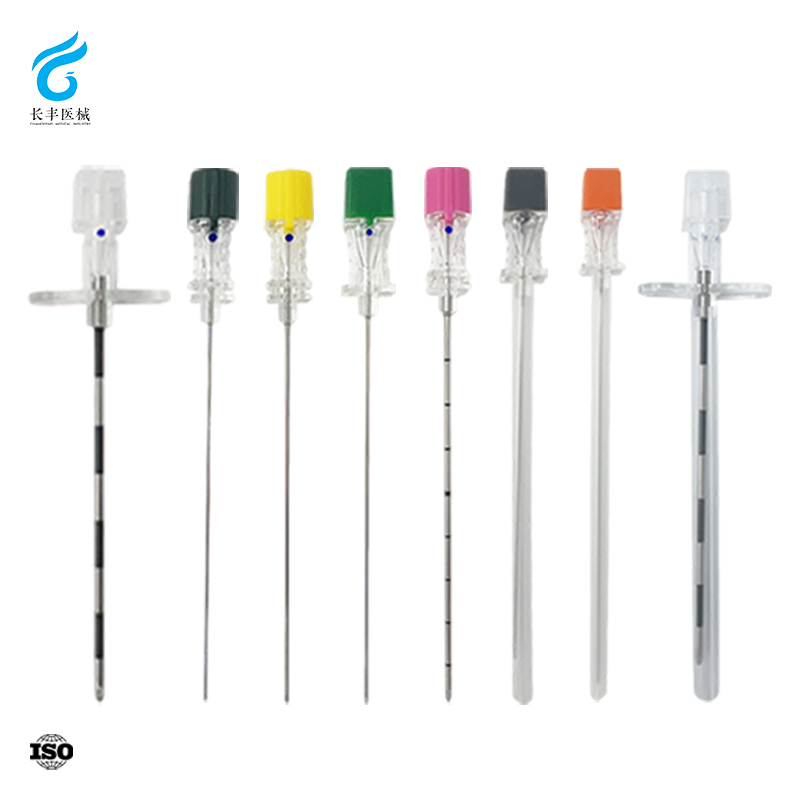
Precision Engineering: How Tip Geometry and Surface Quality Define Puncture Needle Performance
The Science of Sharpness: Tip Angle, Edge Integrity, and Cutting Efficiency
The performance of puncture needles starts at the tip geometry, specifically when the bevel angle falls somewhere between 15 and 30 degrees. This particular angle strikes a good balance between how well it penetrates materials and how strong it remains structurally. What makes this design better? Well, studies show it can cut down on insertion force by around 40% compared to older models without sacrificing the strength of the cutting edge when interacting with tissues. For those microscopic details, manufacturers polish the edges using electrochemical methods to eliminate any tiny burrs. These polished surfaces make sure tissues separate smoothly with less resistance, which means cleaner samples for lab work and less pain for patients undergoing procedures. Another important factor is keeping the cutting edge aligned symmetrically. If there's even a slight deviation beyond 5 microns in either direction, the needle might start deflecting during vascular access attempts. All these geometric considerations ultimately decide if a needle gets through on the first try or forces medical staff to attempt multiple insertions, something that naturally increases the chances of complications occurring during treatment.
Surface Roughness and Hardness: Minimizing Insertion Force and Tissue Trauma
How surfaces behave makes all the difference in device performance. When we get down to sub-micron levels of roughness (Ra below 0.2 microns) through processes like abrasive flow machining, it actually cuts tissue drag by around 25 to 30 percent over regular finishes. What does this mean? A surface so smooth it's almost friction free helps maintain the delicate cellular structures when inserting devices into the body. And let's not forget about durability. Tips with Rockwell C hardness above 52 HRC stand up much better to bending or warping when they meet tough spots like calcified areas. Put these two features together and we see real world improvements. Tests show about 18% less force needed at peak insertion points and roughly 31% fewer injuries to blood vessel linings in lab simulations. These numbers translate to less accidental damage while still maintaining good control as devices pass through different parts of the anatomy.
Advanced Materials for Reliable Puncture Needle Function and Biocompatibility
Stainless Steel vs. Nitinol: Flexibility, Corrosion Resistance, and Latex-Free Safety
The choice of materials plays a big role in how reliable medical devices function over time. Stainless steel is commonly used because it's strong enough for everyday operations and doesn't break the bank. On the other hand, Nitinol alloys have something special going for them - they can bounce back to their original shape even after being bent or twisted during complicated procedures inside the body. Tests show that this flexibility cuts down on the chance of damaging blood vessels by almost half compared to stiffer options. Both types of material avoid problems associated with latex thanks to protective polymer coatings applied during manufacturing. What makes Nitinol stand out even more is its natural resistance to corrosion, which means no harmful ions escape into salty bodily fluids where traditional metals might fail. The final touch comes from electropolishing processes that smooth surfaces down below 0.1 microns roughness average, making sure everything glides smoothly through tissues with less than 0.3 Newtons of force needed at any point along the way.
ISO 10993 Compliance and Real-World Allergenicity Risk Mitigation
The concept of biocompatibility goes further than just being chemically inactive inside the body. While ISO 10993-5 standards require strict testing for things like cell toxicity, allergic reactions, and skin irritation, actual patient safety needs ongoing management of potential allergens. Take stainless steel alloys containing nickel for instance these materials need special protective layers to reduce the risk of sensitization among approximately 12 percent of people who suffer from metal allergies. Today's top manufacturers are applying three layer polymer coatings that keep nickel release down to less than 0.01 micrograms per square centimeter which is way under the 0.4 microgram level linked to clinical problems. Combining smart material choices with careful surface treatment techniques has practically eliminated allergic incidents according to recent clinical trials across multiple medical device applications.
Integrated Safety Design: Reducing Needlestick Injuries with Smart Puncture Needle Systems
Needlestick injuries are still a big problem for healthcare workers in the US. The Centers for Disease Control puts the number around 385 thousand cases each year. When someone gets stuck, they face real infection risks like hepatitis B, C, and even HIV. And let's not forget the money side of things either. According to OSHA records, treating these exposures typically costs around three grand per incident. That adds up fast across all those annual cases. Fortunately, newer needle systems have made significant improvements. These modern puncture needles come with built-in safety features that work automatically. Think about automatic retraction mechanisms or shields that pop into place right after the needle comes out. Passive safety designs differ from older models where 医护人员 had to manually activate some kind of protection. With passive systems, there's no need for staff to remember extra steps, which makes them much safer overall. Clinical studies show these passive designs cut down needlestick incidents by almost ninety percent in real world settings. The best performing systems usually include several key components including...
- Single-motion activation, engaging protection during normal use
- Permanent lock mechanisms, preventing re-exposure
- Audible/tactile confirmation, verifying proper deployment
When manufacturers build safety directly into medical devices instead of tacking it on later, they get better protection that doesn't mess with how doctors and nurses work day to day. Hospitals that have switched to these safer designs see fewer injuries happening during procedures. Plus, their budgets don't take such a hit from cleaning up after accidents or paying out workers' comp claims. The Needlestick Safety Act requires healthcare facilities to use these kinds of devices according to OSHA regulations. Most clinics and hospitals now treat passive safety features as standard practice when choosing needles for blood draws and injections.
Consistent Manufacturing and Sterilization: Ensuring Every Puncture Needle Meets Clinical Standards
ISO 7886-1 Compliance, Straightness Tolerance (<0.2°), and Batch-Level Validation
Following ISO 7886-1 standards for sterile single-use hypodermic needles means manufacturers know their products will hit those important clinical marks when it counts. Keeping straightness within 0.2 degrees matters because any bend can throw off where the needle goes through tissue, which increases chances of damaging blood vessels and makes procedures less predictable. When batches are tested, they need to show proper sterilization works right across the board. The goal here is an SAL rating of 10 to the minus 6 power, basically meaning only one out of every million units might not be fully sterile after processing with either ethylene oxide gas or radiation methods. All these checks help maintain consistent quality from one production run to the next.
- Laser micrometers for dimensional accuracy
- ASTM F1886-compliant package integrity testing
- Statistical sampling of 5% per lot for mechanical performance
Manufacturing deviations exceeding ±3% tolerance trigger automatic rejection, ensuring uniform sharpness and lumen patency across all units—key safeguards against hematoma formation and diagnostic compromise in blood collection and biopsy applications.
Clinical Impact: How Puncture Needle Quality Directly Influences Patient Safety and Diagnostic Reliability
Evidence Snapshot: 37% Lower Hematoma Rates with Optimized Puncture Needles (JAMA Internal Medicine, 2023)
Better quality puncture needles really do make a difference in patient outcomes. A recent study published in JAMA Internal Medicine looked at around 4,200 procedures and found something interesting about needle design. When doctors used these improved needles, there was about a third less chance of getting hematomas compared to regular ones. That means patients need fewer follow-up treatments and generally recover quicker after their procedures. What makes these needles better? Well, they have specially designed tips that don't push tissues around as much during insertion, plus their surfaces are so smooth they cause less damage to blood vessels. Another big plus is how reliable the diagnosis turns out to be with good needles. The inside of these medical tools gets polished consistently so cells don't stick to them and mess up test results. Most manufacturers who follow ISO 7886-1 standards actually test each batch for straightness (less than half a degree deviation) which helps ensure accurate readings when time matters most for screening tests.
FAQ
What is the ideal bevel angle for puncture needles?
The ideal bevel angle for puncture needles ranges between 15 and 30 degrees, balancing penetration efficiency and structural strength.
How does surface roughness affect needle insertion?
Lower surface roughness (sub-micron level) reduces tissue drag by about 25 to 30 percent, minimizing resistance during needle insertion.
Why are Nitinol alloys used in puncture needles?
Nitinol alloys are favored for their flexibility and corrosion resistance, reducing the likelihood of blood vessel damage during procedures.
How do new needle designs reduce needlestick injuries?
Modern puncture needles feature automatic retraction mechanisms and passive safety systems, reducing needlestick injuries by nearly 90%.
What role does ISO compliance play in needle manufacturing?
ISO compliance ensures that needles meet clinical standards for safety, straightness, and sterility, enhancing patient safety and diagnostic reliability.
Table of Contents
- Precision Engineering: How Tip Geometry and Surface Quality Define Puncture Needle Performance
- Advanced Materials for Reliable Puncture Needle Function and Biocompatibility
- Integrated Safety Design: Reducing Needlestick Injuries with Smart Puncture Needle Systems
- Consistent Manufacturing and Sterilization: Ensuring Every Puncture Needle Meets Clinical Standards
- Clinical Impact: How Puncture Needle Quality Directly Influences Patient Safety and Diagnostic Reliability
- FAQ