
 EN
EN
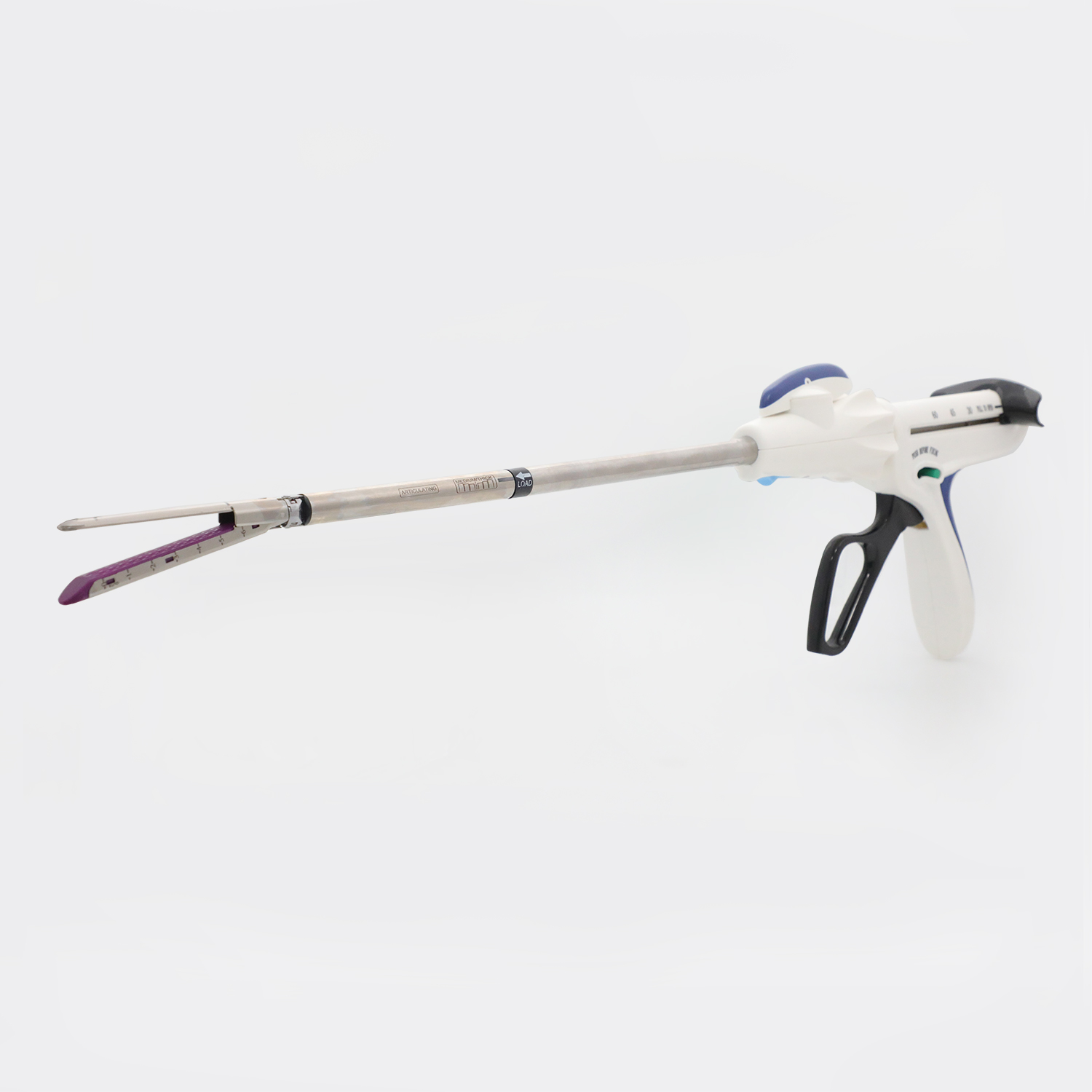
Core Working Principle: How the Disposable Endo Linear Cutter Stapler and Reloading Unit Achieves Precision in One Motion
Compression – Stapling – Cutting Sequence Explained
When activated, this medical tool performs compression, stapling, and cutting all with one smooth trigger movement. The first step compresses tissue between the cartridge and anvil, making sure it's just the right thickness so staples can hold properly. This compression also helps stop blood from messing up the procedure while creating even tissue layers. Then comes the actual stapling part where two rows of titanium staples pop out at once and fold neatly into those specially made grooves, forming those distinctive B-shape closures doctors love. Lastly, there's a really sharp blade that slices right through the tissue between these staples, cutting cleanly without damaging anything nearby. What makes this whole process impressive is how fast it goes down. Surgeons report about a 23% time savings over traditional methods, finishing everything in just 1 to 2 seconds. This speed not only keeps things sterile longer but also means fewer chances for mistakes during surgery.
Cartridge Architecture and Anvil Geometry: Ensuring Consistent Tissue Approximation
The micro engineered cartridge channels actually keep those pre loaded staples arranged in staggered rows so compression gets spread out more evenly. Meanwhile, the angled surfaces on the anvil create controlled bending forces that reliably bend staples into those exact 90 degree angles no matter what kind of tissue they're working with. These devices also feature parallel alignment rails that keep about a 0.2 mm gap between the cartridge and anvil throughout the entire firing process. This helps avoid problems like over compression or staples getting sheared off completely. When tested clinically on both stomach and lung tissues, these systems achieved around 98.7% consistency in how well they brought tissues together, assuming the right size cartridges were used for each situation. The variable depth grooves allow for different staple heights too, yet still manage to maintain pretty uniform compression across all applications.
Step-by-Step Operation of the Disposable Endo Linear Cutter Stapler and Reloading Unit
Operating the device demands methodical precision to ensure safety and efficacy.
Loading Protocol: Verifying Compatibility, Engaging the Reload Securely
To make sure the reload works with the stapler, check if the colors on the cartridge match up with the release mechanism on the instrument itself. Always take a good look at how intact the sterile packaging is and double check those expiration dates before anyone starts using it. When loading, line up those little locking grooves on the reload with the guide rails on the stapler body. Push it all the way forward until you hear that satisfying click sound that tells you everything's locked in place securely. Don't forget to do a quick dry fire test too just to see if the cartridge moves smoothly through the mechanism. Following these steps properly cuts down on misfires dramatically. Manufacturer stats show something like a 99.1% reduction when people stick strictly to this process.
Tissue Handling Best Practices: Jaw Alignment, Compression Duration, and Visual Confirmation
Make sure the jaws are at right angles to where the tissue lies, then hold firm pressure for around 5 to 7 seconds until the thickness looks even across. Before actually firing the device, take a good look from an angle to spot any blood vessels that might get caught inside. To know if the staples worked properly, check for regular blood flow downstream and pay attention to how it feels under pressure. If there's too much resistance when closing (more than about 3.5 kgf), that usually means things aren't lined up correctly. Recent research from 2023 found that nearly one fifth of all leaks after surgery happened because the jaws weren't positioned right, which is why taking those extra moments to visually inspect and feel for proper alignment really matters in practice.
Selecting the Right Staple Height and Color-Coded Reload for Tissue-Specific Outcomes
Matching Staple Height (2.0–4.8 mm) to Tissue Thickness: Colon, Lung, and Stomach Applications
Matching staple height to tissue thickness remains critical for proper hemostasis, wound healing, and maintaining strong anastomoses. For colon tissue which tends to be thin walled and fragile, surgeons generally find that 2.0 to 2.5 mm staples work best. Lung tissue requires something different entirely though – those 3.0 to 3.5 mm staples are better suited for the spongy nature of pulmonary parenchyma. And when dealing with thicker gastric walls, going up to 3.5 to 4.8 mm staples becomes necessary to properly engage those deeper submucosal layers. Most operating rooms now use this handy color coded system where blue indicates 2.5 mm, green means 3.5 mm, and gold represents 4.8 mm staples. Getting this right matters a lot since mismatched staples can raise bleeding risks by around 37 percent and increase leakage chances by nearly 30 percent according to recent studies. During surgery, it's important for the surgical team to check tissue thickness on the spot and limit compression to about 25% over normal levels. Too much pressure reduces blood flow to tissues, but not enough pressure just leads to poorly formed staples that won't hold properly.
Ergonomics and Safety: Optimizing One-Handed Control to Prevent Misfire and Fatigue
Firing Force Threshold (3.5–5.2 kgf) and Its Impact on Laparoscopic Dexterity
The device comes with a firing force setting between 3.5 and 5.2 kilograms of force. This was put in place so surgeons can activate it intentionally while still avoiding hand fatigue during those long laparoscopic operations. When working within this range, the instrument helps maintain proper wrist position and stable grip even in tight body areas. According to research published in Surgical Ergonomics Review last year, this design cuts down on accidental firings by about a third. We've also seen that when the required force drops below four kilograms, there are roughly 27 percent fewer times surgeons need to adjust their grip, plus the staple lines get completed around 19 percent quicker in chest area surgeries. To get the most out of this tool, doctors are advised to check how it feels before starting any operation and try not to use it nonstop for more than 45 minutes straight. This helps prevent the kind of muscle strain that builds up over time during extended procedures.
FAQs
What is the main function of the disposable endo linear cutter stapler?
The main function is to perform compression, stapling, and cutting in a single motion to enhance surgical precision and save time compared to traditional methods.
How does the cartridge architecture contribute to tissue approximation?
The micro engineered cartridge channels keep staples arranged in staggered rows for evenly spread compression and controlled bending forces that shape staples into precise angles.
What are the best practices for handling tissues with this device?
Ensure jaw alignment at right angles, maintain firm pressure on tissues for 5-7 seconds, and visually confirm even compression and absence of blood vessels before firing.
How is staple height matched to tissue thickness?
Staple height is matched to tissue types using a color-coded system where blue is 2.5mm for thin-walled tissues, green is 3.5mm for spongy lung tissue, and gold is 4.8mm for thick gastric walls.
What is the impact of firing force threshold on laparoscopic operations?
The firing force threshold of 3.5-5.2 kgf is designed to induce intentional activation, reduce hand fatigue, and minimize accidental firings during surgeries.
Table of Contents
- Core Working Principle: How the Disposable Endo Linear Cutter Stapler and Reloading Unit Achieves Precision in One Motion
- Selecting the Right Staple Height and Color-Coded Reload for Tissue-Specific Outcomes
- Ergonomics and Safety: Optimizing One-Handed Control to Prevent Misfire and Fatigue
-
FAQs
- What is the main function of the disposable endo linear cutter stapler?
- How does the cartridge architecture contribute to tissue approximation?
- What are the best practices for handling tissues with this device?
- How is staple height matched to tissue thickness?
- What is the impact of firing force threshold on laparoscopic operations?