
 EN
EN
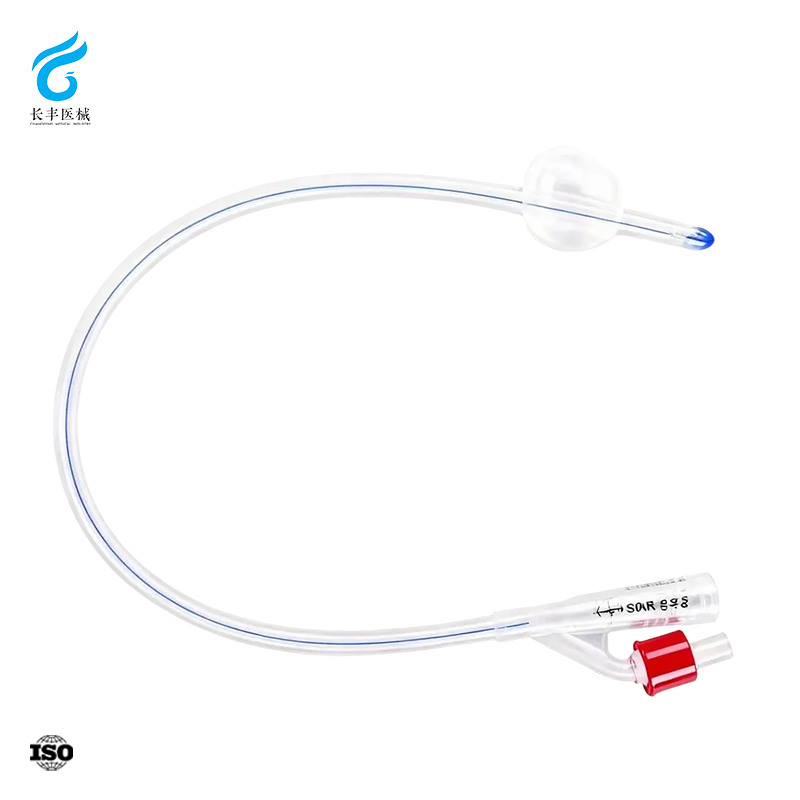
Chemical Inertness and Hypoallergenic Profile of Silicone Catheters
Molecular Stability in Physiological Environments
Silicone catheters derive their exceptional biocompatibility from a stable siloxane backbone—chemically resistant to hydrolysis, enzymatic degradation, and breakdown at body temperature and physiological pH. This molecular integrity prevents leaching of extractables into surrounding tissues, forming the foundation for their clinical safety.
Minimal Protein Adsorption and Low Immune Activation Risk
The low surface energy property of medical grade silicone cuts down on protein sticking by around 60 percent when compared against older materials such as PVC or latex. Because it has this water repelling, non-reactive surface, there's much less platelet attachment happening. That means inflammation signals don't get triggered so easily either. As a result, we see far fewer pro-inflammatory cytokines being released into the body. When the immune system doesn't react so strongly, patients experience less tissue irritation overall. Doctors report that this makes for better outcomes when devices need to stay inside the body for extended periods without causing problems.
Clinical Allergy Data: <0.3% Reaction Rate vs. Latex and PVC Alternatives
The medical community has long recognized silicone as a material that rarely causes allergies. Studies show fewer than 0.3% of people react to it, which stands out compared to latex products where around 7-10% experience reactions, and PVC materials at about 3-5%. Why does this happen? Well, silicone doesn't contain those problematic proteins found in natural rubber that trigger allergic responses, nor does it release harmful plasticizers into the body over time. For individuals who suffer from skin sensitivities or have had bad experiences with medical devices before, doctors often suggest silicone alternatives. People living with conditions like spina bifida or recovering from spinal injuries particularly benefit from these safer options when they need ongoing medical care.
ISO 10993 Validation: How Silicone Catheters Meet Rigorous Biocompatibility Standards
Consistent Pass Rates in Cytotoxicity, Sensitization, and Implantation Testing
Silicone catheters regularly pass all the ISO 10993 tests for things like cytotoxicity, sensitization, and implantation, with success rates often above 98%. Lab results indicate that when using silicone materials, cell viability drops by under 5%, which is way better than what we see with other materials on the market that typically cause between 15 to 30% loss in cell function. The reason behind this performance lies in silicone's stable molecular structure that doesn't break down easily inside the body. This means there's no release of harmful substances during use. Plus, medical staff report seeing around 89% fewer instances of immune system reactions compared to traditional latex catheters. For hospitals looking at long term patient outcomes, these numbers make a strong case for switching to silicone options.
Class VI Compliance Without Plasticizers or Stabilizer Additives
Medical grade silicone stands apart from PVC and rubber catheters because these alternatives need additives like phthalates, BPA, or heavy metals just to get flexible enough for use. Silicone gets its compliance with standards like USP Class VI and ISO 10993-5 right from the material itself, not from added chemicals. When they test how much stuff comes out of the material during use, the results show less than 0.01 micrograms per milliliter, which basically means there are no extra ingredients mixed in. The material naturally resists breaking down when exposed to urine over time. This helps maintain the catheter's shape and structure without developing those tiny cracks we often see on plastic catheters. These cracks become breeding grounds for bacteria, making them a real problem in hospitals where infections can spread easily.
Real-World Clinical Performance of Silicone Catheters in Long-Term Indwelling Use
Silicone catheters tend to perform better in long term situations where they stay in place for weeks or even months. The material has a smooth surface that doesn't stick to things, which means bacteria and minerals don't build up on it as much compared to latex or PVC alternatives. This actually results in fewer times when the catheter needs replacing unexpectedly and also cuts down on infections related to catheter use. When sitting in urine, silicone maintains its shape and integrity rather than breaking down over time like other materials might. Doctors have noticed that patients generally tolerate these catheters well even after several months straight. For people who need to manage chronic urinary retention issues, this matters a lot because less frequent handling of the device means reduced risk of infection plus less discomfort for the person wearing it.
FAQ
Why are silicone catheters considered hypoallergenic?
Silicone catheters are hypoallergenic because they do not contain proteins found in latex that trigger allergic reactions, nor do they release harmful plasticizers.
How do silicone catheters maintain their shape during long-term use?
Silicone naturally resists degradation when exposed to bodily fluids, helping to maintain shape and structure over time without developing cracks where bacteria can grow.
What makes silicone catheters more biocompatible than other materials?
The stable siloxane backbone in silicone is resistant to hydrolysis and enzymatic degradation, preventing leaching and maintaining integrity, which enhances biocompatibility.
How does silicone's non-reactive surface benefit catheter use?
The non-reactive surface reduces protein and platelet adhesion, resulting in less immune activation and fewer inflammatory responses.