
 EN
EN
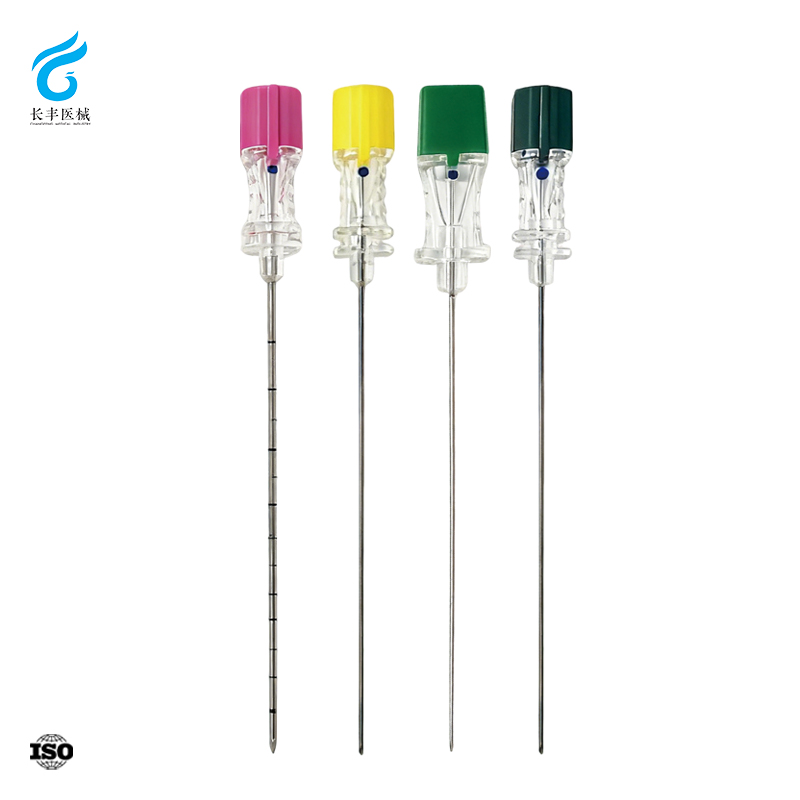
Why Pediatric Anesthesia Needle Selection Demands Age- and Anatomy-Specific Precision
When it comes to kids, their bodies are different enough from adults that we need special needles for anesthesia work. Think about premature babies whose veins are often less than 1mm wide, about the same thickness as a strand of hair. That leaves very little room for mistakes. Big needles can lead to bruising problems in almost 4 out of 10 newborn cases, but going too small just makes things take longer and raises the risk of low oxygen levels when timing matters most. The spine itself changes positions as children grow, starting at around L3 in babies and moving up to L1 by about age 2. This means doctors have to pick needle lengths down to the millimeter mark. Getting this right isn't just about technique, it actually affects how well treatments work. Studies show preemies get infiltrated more frequently with regular 25G needles compared to those tiny 30G ones, which explains why one-size-fits-all guidelines don't cut it for pediatric care. There's also tissue flexibility differences, anxiety during procedures, and other health issues like heart defects that make each case unique. Skip these details and there's a real chance of damaging blood vessels, leaking medicine into surrounding tissues, or slowing down emergency responses, all of which put both patient safety and treatment effectiveness at risk.
Evidence-Based Anesthesia Needle Gauge and Length Guidelines by Developmental Stage
Pediatric patients require tailored anesthesia needle selection based on developmental milestones. Anatomical variations and physiologic vulnerabilities demand precise instrumentation to minimize complications while ensuring effective delivery. Evidence shows standardized protocols reduce adverse events by 31% in pediatric anesthesiology (Journal of the American Academy of Child & Adolescent Psychiatry, 2022).
Infants (<1 month): Prioritizing Safety Over Speed — 27G–30G, ½"–¾"
Ultra-fine gauges (27G–30G) with short lengths (½"–¾") are essential for neonates’ fragile tissues and shallow vessels. A 30G needle reduces hematoma risk by 40% compared to larger-bore options in preterm infants, and the half-inch length minimizes unintended tissue trauma while accommodating limited insertion depth requirements.
Toddlers and Preschoolers (1–5 years): Balancing Flow Rate and Tissue Compliance — 25G–27G, ¾"–1"
This age group benefits from 25G–27G needles with ¾"–1" lengths. This configuration maintains adequate flow rates for rapid-onset agents while preventing extravasation in mobile patients. Research demonstrates that 27G needles achieve optimal flow-pressure ratios for subcutaneous infiltration in 85% of cases without compromising vein integrity (Pediatric Anesthesia, 2023).
School-Age Children and Adolescents (6–18 years): Transitioning Toward Adult Protocols — 22G–25G, 1"–1¼"
As vascular depth increases, 22G–25G needles with 1"–1¼" lengths become appropriate. These dimensions accommodate greater adipose tissue thickness while enabling sufficient flow for complex procedures. Notably, 24G needles achieve 98% first-attempt success in IV placement for children over 50 pounds—matching adult-sized gauge performance.
Clinical Impact of Suboptimal Anesthesia Needle Choice in Pediatrics
Higher Infiltration and Hematoma Rates with Oversized Needles in Preterm Infants
When doctors use larger than necessary anesthesia needles on premature babies, they run into serious problems. The tiny bodies of these infants simply aren't ready for standard needle sizes. Studies indicate that when needles 25G or bigger are inserted, infiltration rates jump around 40% compared to using those super fine ones. What happens? Medication tends to leak out all over the place instead of going where it should. This can lead to painful hematomas that sometimes need additional treatment. Switching to smaller gauges like 27G through 30G makes a world of difference. These finer needles still deliver the right dose but spare delicate tissues from unnecessary damage. Looking at what happens after procedures reveals something telling: babies who got properly sized needles had roughly two thirds fewer bruises and basically no cases of dangerous compartment syndrome developing.
Reduced First-Attempt Success in Oncology and Cardiac Patients Due to Venous Fragility
Children undergoing cancer treatment or those with heart issues run greater dangers when the wrong anesthesia needles are selected for their procedures. The vessels in these young patients often become compromised because of chemotherapy treatments or birth defects, which makes their veins susceptible to collapsing under regular 22G needles. Research indicates that successful first attempts at inserting needles fall beneath 53 percent among these vulnerable groups when using larger gauge equipment. Switching to smaller 25G to 27G needles actually boosts successful cannulation results by around one third since they put less pressure on fragile vessel walls. Medical staff notice significantly fewer delays during procedures too, plus there's about a 28 percent reduction in those fainting spells called vasovagal reactions when doctors take time to match needle size with how delicate each patient's veins really are.
Practical Implementation: Integrating Anesthesia Needle Protocols into Pediatric Perioperative Workflow
Bringing evidence based anesthesia needle protocols into pediatric care needs consistent approaches across several key areas. First off, doctors and nurses need proper training on how babies' bodies develop, what size needles work best for different situations, and how to handle any problems that might come up. Regular practice sessions using materials that feel like real baby skin help reinforce this learning. Second, having standardized equipment carts makes all the difference. These carts should have everything sorted out already with needles color coded according to age groups so there's no confusion when time is critical. For instance, purple labels could indicate the tiny 27G to 30G needles used for newborns. Third, we need to track how well these protocols are working by looking at things like success on the first try, instances where medicine leaks improperly, and what parents actually think about the experience. Checking these numbers every quarter helps us adjust our methods, especially for kids undergoing cancer treatments who face unique challenges. Alongside all this technical stuff, hospitals should also focus on making children comfortable without drugs. Simple things like letting parents stay close during procedures or using toys to distract them can cut down anxiety levels significantly as shown in recent research. Combining good technique with emotional support creates safer conditions for everyone involved in these often stressful medical moments.
FAQ
Why is needle selection critical in pediatric anesthesia?
Needle selection is crucial due to anatomical and physiological differences in children compared to adults. Using the correct needle size minimizes complications and enhances the efficacy of the anesthesia.
What happens if oversized needles are used in premature infants?
Oversized needles can lead to increased medication infiltration rates, leading to hematomas and other complications. Smaller needles better suited for fragile tissues can significantly reduce these issues.
How do needle protocols improve first-attempt success in delicate patients?
Customizing needle size based on the patient's specific needs ensures less pressure on fragile veins, increasing the chances of a successful first attempt.