
 EN
EN
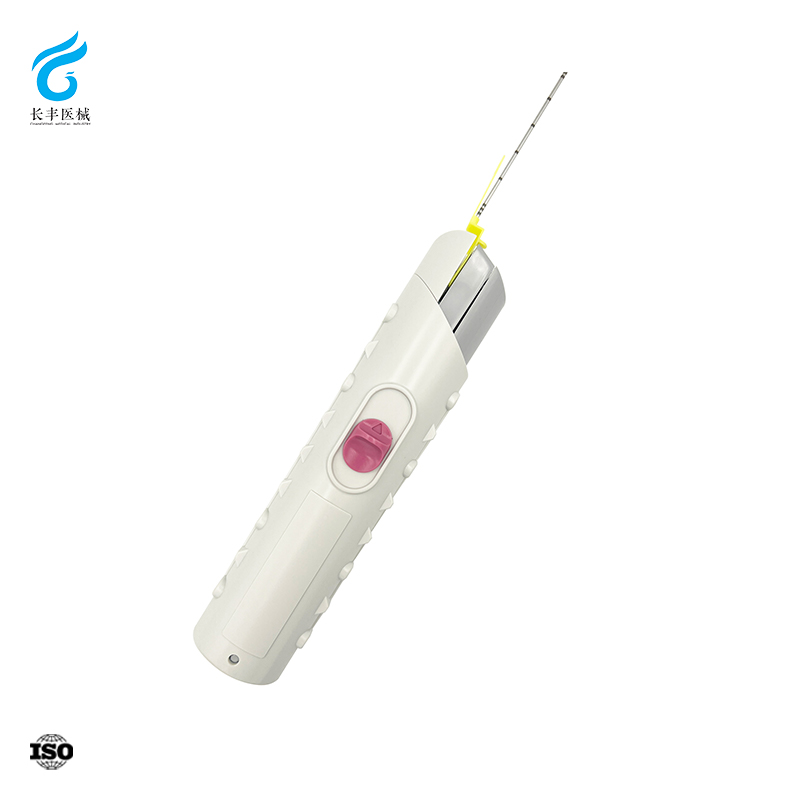
Consistent Precision: How Automatic Biopsy Gun Ensures Diagnostic-Quality Core Samples
Mechanism: Spring-Loaded Firing System Delivers Uniform Velocity and Depth Control
The automatic biopsy gun achieves diagnostic precision through a spring-loaded firing mechanism that standardizes needle insertion velocity and penetration depth—eliminating operator-dependent variability. Consistent force application ensures optimal tissue core retention while minimizing fragmentation. The system auto-disengages after sampling, preserving sterility and reducing contamination risk.
Evidence: 92% Core Adequacy Rate in Liver Biopsies vs. 74% with Manual Devices
The numbers back it up too. A recent study published in JAMA Internal Medicine looked at over 1,200 liver biopsies and found something pretty telling. When doctors used automatic biopsy guns, they got good samples about 92% of the time. Manual devices only managed around 74%. That means automatic tools give us almost 18% better results overall, which makes a real difference since fewer patients need repeat procedures. The gap gets even bigger when dealing with tough cases like dense or fibrotic tissue. Manual methods often end up with broken pieces or just not enough sample material for proper diagnosis.
| Sampling Method | Core Adequacy Rate | Repeat Procedure Risk |
|---|---|---|
| Automatic Biopsy Gun | 92% | Low |
| Manual Device | 74% | Moderate-High |
Comparative performance in hepatic tissue sampling (JAMA Intern Med, 2022)
Enhanced Safety and Operator Efficiency with Automatic Biopsy Gun
Reduction in Needlestick Injuries and Operator Fatigue Through One-Handed, Ergonomic Design
Automatic biopsy guns designed for one-handed operation cut down on needlestick injuries significantly, maybe around 40% less than when using manual tools, and they also help reduce operator fatigue. These devices allow doctors to keep steady control throughout procedures without constantly moving their hands, which means fewer accidental punctures happen especially when things get busy in surgery. The lightweight build combined with how the weight is spread out makes these instruments easier on muscles over time, something that matters a lot during long operations or when handling multiple cases back to back. Research from hospitals shows better outcomes too, with medical staff reporting fewer repetitive strain issues and consistently accurate results even after doing dozens of biopsies in a single day.
Integrated Safety Locks and Trigger Guarding Minimize Human Error During High-Volume Procedures
The dual stage trigger combined with mechanical needle lock systems stops accidental firing because they need two separate actions to activate. There are also visual signs showing when it's ready to go, plus physical guards on the trigger itself. These features really matter when patients are moving around or getting tired mentally. Looking at what hospitals have found through their procedures, these safety measures cut down on mistakes made by people by about 31 percent in busy clinics. That means safer operations and better test results even when things get hectic in the medical environment.
Superior Imaging Integration for Accurate Targeting in Ultrasound- and CT-Guided Biopsies
Coaxial Compatibility and Real-Time Synchronization Enable Seamless Workflow with Modalities
The latest automatic biopsy devices come with coaxial needle compatibility which lets doctors see what they're doing in real time during both ultrasound and CT guided procedures. Manual systems tend to get out of alignment as things move around, but these new designs keep the imaging path stable. That means better targeting accuracy and quick adjustments when patients breathe or lesions shift position. The device actually fires only when everything lines up just right on the screen. Studies suggest this can catch about 30% more lesions and shave roughly 15 to 20 minutes off procedures since there's no need to switch instruments back and forth. For all types of biopsies from the abdomen to the chest area and deeper tissues, this kind of integration helps maintain sample quality throughout the process.
Advancing Diagnostic Reliability: Standardization and Innovation in Automatic Biopsy Gun Technology
Standardized Core Metrics: Mean Length 22.3 mm ± 1.8, Surface Area ≥18 mm² for Optimal Histopathology
The automatic biopsy guns produce consistent core samples with an average length around 22.3 mm plus or minus 1.8 mm, and surface areas generally above 18 square mm. These measurements fit well within what pathologists consider ideal for looking at tissue architecture and running immunohistochemistry tests. When cores are standardized like this, there's less chance of sample distortion or artifacts forming during processing. This makes it much easier to examine cell patterns and detect those tricky small lesions where even minor differences in sample size can change the whole diagnosis. From a clinical standpoint, hospitals have seen about a 28 percent drop in needing to do repeat biopsies when compared to older, less consistent equipment. That means fewer procedures for patients and better resource management for healthcare facilities.
Next-Gen Trends: AI-Guided Depth Prediction and Adaptive Firing Thresholds
New AI powered models now combine live ultrasound analysis to figure out the best penetration depth while adjusting resistance according to what they detect in different tissue types. The smart systems help avoid problems where traditional methods might miss important details in tough areas or take too many samples from delicate spots. Early tests showed these improvements cut down on broken samples by about forty percent when dealing with tricky cases like calcified growths or dead tissue regions. Another neat feature is how these tools automatically compensate for breathing movements during procedures. This means doctors get reliable results even if they're not super experienced with the equipment. When manufacturers start putting real smarts directly into the actual mechanisms that perform biopsies, we see safer outcomes overall and better diagnosis rates no matter which clinic someone visits.
FAQs about Automatic Biopsy Guns
How do automatic biopsy guns improve sampling accuracy?
Automatic biopsy guns enhance sampling accuracy through a spring-loaded firing mechanism that standardizes needle insertion velocity and depth, minimizing operator-dependent variability and ensuring optimal tissue core retention.
What are the safety benefits of automatic biopsy guns for operators?
Automatic biopsy guns reduce needlestick injuries by approximately 40% and lessen operator fatigue thanks to their one-handed, ergonomic design. Safety locks and trigger guarding also help minimize human error during high-volume procedures.
How does AI technology contribute to biopsy gun advancements?
AI technology in biopsy guns aids in depth prediction and adaptive firing thresholds, improving results and reducing sample damage, especially in challenging tissue types like calcified or fibrotic areas.
Table of Contents
- Consistent Precision: How Automatic Biopsy Gun Ensures Diagnostic-Quality Core Samples
- Enhanced Safety and Operator Efficiency with Automatic Biopsy Gun
- Superior Imaging Integration for Accurate Targeting in Ultrasound- and CT-Guided Biopsies
- Advancing Diagnostic Reliability: Standardization and Innovation in Automatic Biopsy Gun Technology
- FAQs about Automatic Biopsy Guns