
 EN
EN
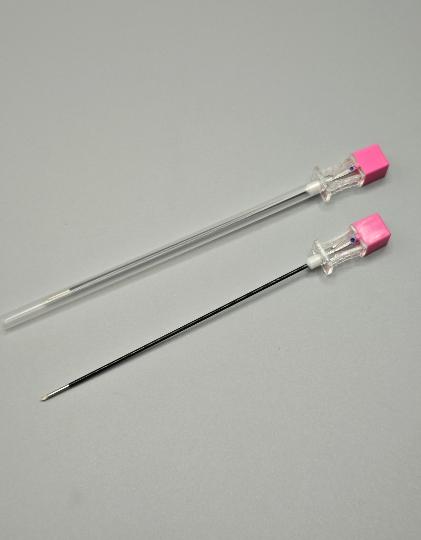
Strict Aseptic Technique and Single-Use Compliance for Anesthesia Needle Safety
Core Principles of Sterile Handling and Site Preparation
Strict aseptic technique starts with proper hand washing and making sure sterile barriers like gloves and drapes are used every time before touching an anesthesia needle. For the injection spot itself, it needs cleaning with something like chlorhexidine or povidone-iodine first. Apply this stuff in those circular motions everyone talks about and let it dry completely on its own. That helps cut down on germs as much as possible. Some important things to remember when following protocol: always check expiration dates on supplies, keep work surfaces clean between patients, and never reuse anything meant for single use only. These basic steps make all the difference in preventing infections during procedures.
- Prioritizing single-dose vials to eliminate cross-vial contamination
- Never using a previously employed needle to access multi-dose vials
- Discarding needles immediately after a single patient use
- Preventing contact between sterile needle shafts, hubs, or tips and non-sterile surfaces
When performed correctly, skin antisepsis reduces surface bacterial load by up to 99%, significantly lowering the risk of healthcare-associated infection—a finding supported by CDC and WHO guidelines on surgical site preparation.
Evidence-Based Risks of Reusing Anesthesia Needles: Bloodborne Pathogen Transmission
Using anesthesia needles more than once, even when changing the syringe part, opens up a clear route for spreading bloodborne pathogens. Small amounts of blood and bodily fluids tend to stick around inside the needle hub areas and along the inner walls, which allows germs to jump from one patient to another. Take Hepatitis B as just one example. This virus stays active in dried blood samples for as long as seven days, and it takes incredibly tiny amounts to cause infection. Research looking at outbreaks shows that about thirty percent of viral hepatitis cases in hospitals come down to people mishandling those multi-dose vials. According to recent data from both the CDC and Ponemon Institute released last year, when clinics fail to follow proper needle safety rules, they end up spending roughly $740k each time something goes wrong. That figure covers everything from mandatory testing after potential exposures, buying expensive preventive medications, lost work hours among staff members, plus all sorts of legal headaches that follow.
Anesthesia Needle Selection and Placement to Prevent Patient Complications
Matching Gauge, Length, and Bevel Design to Procedure and Anatomy
Choosing the right anesthesia needle matters far more than just following standard procedure. Studies from Cochrane and the American Society of Anesthesiologists show that smaller gauge needles between 25 and 27G cut down on post-dural puncture headaches by about 60% when compared to bigger ones like 22G. The length of the needle also depends on how deep the anatomy goes. Most spinal work needs around 3.5 inch needles, but for epidurals in patients with higher body mass index or complicated anatomy, practitioners usually reach for 4 to 5 inch versions instead. What's interesting is how the bevel affects outcomes. Pencil point needles which don't cut actually reduce cerebrospinal fluid leaks by roughly 70% compared to cutting bevels. And when doctors do need to use cutting needles, positioning them so the bevel runs parallel to those dural fibers makes a real difference, reducing tissue damage and boosting overall success rates during procedures.
Accurate Landmark Identification and Real-Time Guidance for Spinal/Epidural Anesthesia Needle Insertion
Traditional landmark techniques still form the basis for many procedures, but we all know they come with serious drawbacks. The old loss-of-resistance method simply doesn't work for around half of obese patients, those with scoliosis issues, or anyone who's had previous back operations. When doctors start using real time ultrasound during these procedures, the success rate on the first try jumps by about 30 percent. Needles don't have to be redirected so much, and practitioners can actually see important structures like the interspinous ligaments, how deep the epidural space is, and where the dura mater lies. Combining ultrasound images with physical touch helps fine tune where the needle goes before even inserting it into the patient body. This approach cuts down on accidental dural punctures, protects against nerve damage, and keeps blood vessels safe from being nicked. For placing epidural catheters specifically, checking exactly where the needle tip sits inside the epidural space through ultrasound before giving any medications makes everything safer and more effective. Recent studies published in major journals like Anesthesiology and British Journal of Anaesthesia back this up pretty convincingly.
Occupational Safety: Preventing Needlestick Injuries with Anesthesia Needle Protocols
Adopting Safety-Engineered Anesthesia Needle Devices and Proper Disposal Workflow
Anesthesia professionals deal with a much higher chance of getting stuck by needles because they handle these sharp instruments so often during intense procedures where time is always against them. The numbers tell the story too - somewhere around 385 thousand people in US hospitals get exposed to sharps every year, and those working in anesthesia are right at the top of this dangerous list according to what NIOSH has been tracking. When it comes to actually preventing these injuries, special safety needles make a big difference. These needles come with built-in protection like shields that automatically cover the tip after use, parts that pull back into the device itself, or even little guards that stay attached throughout the whole process. Facilities that implemented these changes saw an impressive drop in needlestick incidents by about 85 percent as reported by OSHA in their 2022 study looking at different hospital practices. Just as important though is how these safety tools fit into daily work routines. Getting rid of used needles right away into those thick plastic bins approved by the FDA stops anyone from having to recap them later on. And putting these disposal containers within easy reach everywhere staff perform procedures makes a huge impact too. Hospitals that do this properly see roughly 60% fewer cases of improper handling. All these steps check off requirements set by OSHA regarding bloodborne pathogens and show genuine support for goal number seven from the Joint Commission which focuses specifically on making injections safer for everyone involved. But beyond just meeting regulations, consistently following through with these protocols helps protect organizations from potential lawsuits down the road and builds a workplace environment where everyone looks out for each other's safety during medical procedures.
FAQ
Why is it important to follow aseptic techniques when using anesthesia needles?
Following strict aseptic techniques is crucial to prevent infections during procedures, minimize the spread of germs, and ensure patient safety.
What are the risks associated with reusing anesthesia needles?
Reusing anesthesia needles can lead to the transmission of bloodborne pathogens, such as Hepatitis B, which can survive in dried blood samples for several days and spread infections between patients.
How does real-time ultrasound improve the accuracy of spinal or epidural needle insertions?
Real-time ultrasound enhances the visibility of critical anatomical structures, reduces the need for needle redirection, and increases the success rate of first attempt insertions by around 30%.
What are safety-engineered anesthesia needle devices?
Safety-engineered needles are designed to reduce needlestick injuries with features such as automatic shields and retractable tips, providing enhanced protection for healthcare workers.