
 EN
EN
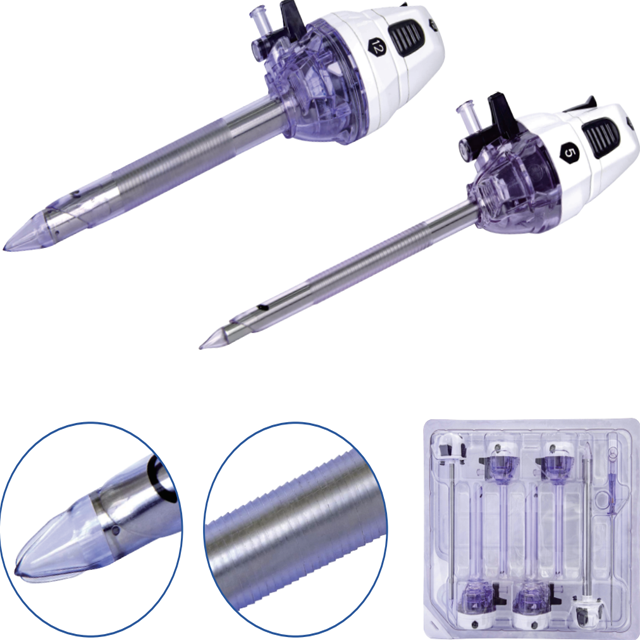
Improved Surgical Workflow and OR Efficiency
Integrated Sealing Systems and Low-Insertion-Force Mechanics Enhance Surgeon Ergonomics
Disposable trocars with advanced features come equipped with built-in seals that keep the pneumoperitoneum pressure stable when switching instruments around, so surgeons don't have to constantly tweak things manually. These modern designs need about 40 percent less force to insert compared to old school reusable ones, making them much easier on hands during long operations. Surgeons report feeling less tired throughout procedures because of this improvement. Better ergonomics means instruments stay steady in their hands too, leading to fewer pauses during surgery. Studies looking at orthopedic cases actually showed these improvements helped cut down overall operation time across multiple hospitals.
Elimination of Sterilization Turnaround Delays and Reprocessing Failures
Using single use trocars cuts out the whole 45 to 90 minute sterilization process needed for the reusable ones, which really helps avoid those annoying delays when there are backlogs in getting equipment cleaned properly. Looking at what hospitals report, problems with reprocessing seem to be behind about 12 percent of all surgeries getting postponed each year. These issues often happen because seals get damaged during cleaning or there's still some biological material left behind after attempts to clean them. When we eliminate these risks, plus save staff from having to clean extra stuff like anesthesia needles too, operating room teams actually gain around 18 to 23 minutes for every surgery they perform. That extra time means more operations can fit into the schedule without needing to hire more people or extend working hours beyond what's already planned. Plus, it makes managing inventory much simpler since everything is always available right away when needed.
Total Cost of Ownership Advantages Over Reusable Systems
TCO Analysis: Labor Savings, Reduced Anesthesia Needle Waste, and Avoided Reprocessing Costs per OR Annually
A comprehensive total cost of ownership (TCO) analysis shows disposable laparoscopic trocars deliver 17–23% annual savings per operating room versus reusable systems. These savings arise from three key areas:
- Reprocessing labor elimination: Cleaning, sterilization validation, and repackaging consume ~120 staff hours annually per OR—costs fully avoided with disposables.
- Ancillary waste reduction: Integrated disposable components cut anesthesia needle usage by 40%, lowering procurement and hazardous waste disposal expenses.
- Hidden failure cost avoidance: Reusable trocar damage ($1,200–$2,500/unit) and sterilization lapses—linked to increased surgical site infection (SSI) risk—carry steep downstream costs. Each SSI adds approximately $20,000 in treatment expenses, according to CDC and AHRQ data.
By converting variable reprocessing costs—including equipment depreciation, detergents, and energy—into predictable, upfront investments, disposable trocars improve budget accuracy while strengthening procedural reliability and patient safety.
FAQ
What are the main benefits of using disposable trocars in surgeries?
Disposable trocars enhance surgical workflow by reducing insertion force, eliminating sterilization delays, and providing consistent instrument stability, reducing operation time and surgeon fatigue.
How do disposable trocars impact the cost of surgical operations?
They offer significant total cost of ownership advantages by eliminating reprocessing labor costs, reducing anesthesia needle waste by 40%, and avoiding costs related to equipment failure and surgical site infections.
Why do disposable trocars reduce surgery postponements?
They eliminate the need for sterilization and related delays, ensuring that surgeries run on schedule and reduce the risk of reprocessing-related postponements, which currently affect about 12% of surgeries annually.