
 EN
EN
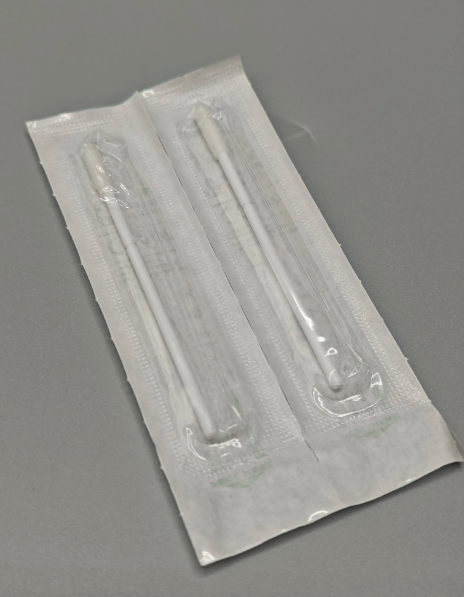
Clinical Role of Sampling Swabs in Diagnostic Accuracy
Why Swab Selection Directly Impacts PCR, Culture, and Rapid Test Outcomes
The materials used in swab construction really matter when it comes to getting reliable diagnostic results. Flocked nylon swabs tend to recover 15 to 30 percent more nucleic acids compared to older fiber types during PCR testing. Their special design with fibers standing upright helps collect better samples without releasing inhibitors that can mess up test results, which means fewer missed cases of pathogens. When culturing bacteria, rayon tipped swabs keep most fastidious organisms alive, around 98% actually, because they prevent drying out. Cotton swabs are different though. They sometimes contain substances like calcium alginate that interfere with PCR reactions, making it harder to detect viruses properly. The difference is significant too, about 40% lower sensitivity in some viral load measurements. Even rapid antigen tests need good sample release. Flocked swabs typically let go of over 95% of what they collect within just ten seconds, whereas other spun fiber options only manage between 60 and 70%. That makes all the difference in clinical settings where time matters.
Real-World Evidence: Nasopharyngeal Swab Performance in SARS-CoV-2 RT-PCR (CDC/WHO Validation)
When the pandemic hit, doctors turned to nasopharyngeal flocked swabs as the go-to tool recommended by both CDC and WHO for testing SARS-CoV-2 through RT-PCR methods because they had proven themselves in clinical trials. Research across multiple centers following CLSI EP12-A2 standards showed these swabs collected 34 percent more viral RNA than regular polyester ones. That means tests were 20% better at spotting infections when virus levels were really low (below 1,000 copies per milliliter), which makes all the difference in catching cases early on. The swab design matters too. With their bendable shafts and specially shaped tips, they reach the right spot in the nose consistently enough that nearly 99 out of 100 samples met FDA requirements during emergency authorization reviews. Cotton swabs tell a different story though. Tests using them faced problems about 22% of the time, causing delays in getting results back. All this data shows why getting the physical design right and picking materials carefully isn't just nice to have but essential for making sure tests work properly.
Material Science Behind Reliable Sampling Swabs
The molecular reliability of diagnostic results hinges on optimized material chemistry.
How Flocked Nylon, Polyester, and Rayon Affect Nucleic Acid Recovery and Inhibitor Release
The way synthetic fibers affect sample quality has everything to do with how their surfaces are designed. Take flocked nylon for instance the tiny filaments standing straight up form these little channels that grab onto cells really well. Lab tests show they can catch almost all those epithelial cells without breaking them apart, which is pretty impressive. When it comes to polyester options, they actually hold onto genetic material better than rayon does. Some studies found polyester retains about 40 percent more nucleic acids because of those special spots on the surface that repel water. This matters since things like mucin or bits of hemoglobin don't stick around as much. Rayon tells a different story though. Its water loving nature means it tends to let go of certain sugar compounds. According to some research published by CLSI EP07, this release can really hurt PCR results sometimes cutting efficiency down by nearly two thirds in worst case scenarios.
Cotton vs. Flocked Swabs: Resolving PCR Inhibition Concerns with CLSI and FDA Guidance
Traditional cotton introduces critical limitations through cellulose fiber shedding and inherent PCR inhibitors:
| Material | PCR Inhibition Risk | Sample Recovery Rate | Regulatory Guidance Alignment |
|---|---|---|---|
| Cotton | High (70% failure) | ≈45% | Limited compliance |
| Flocked Synthetic | Negligible | ≈95% | CLSI MM19-A2 / FDA Class II |
FDA 2023 guidance explicitly recommends synthetic alternatives after clinical validations proved cotton's residual glycerides suppress Taq polymerase activity. CLSI protocols now mandate flocked designs for viral transport media applications to prevent false negatives.
Anatomical Precision: Matching Sampling Swabs to Collection Sites
Site-Specific Design Standards: From Nasal Mid-Turbinate to Urogenital and Buccal Protocols
Getting good diagnostic results really depends on matching the right swab to the exact body location where samples are collected. For nasal mid-turbinate (NMT) testing, the swabs need shorter shafts and special tips because these areas are so narrow. The design matters a lot since poor swab construction can drop test sensitivity anywhere between 15% to maybe even 30%. When it comes to urogenital sampling, doctors look for swabs that are both stiff enough to reach deep but still flexible enough not to break. These should have tips that don't absorb much liquid to avoid damaging cells when collecting samples from the cervix or urethra, something that meets those strict FDA standards for keeping cell samples intact. Swabs used in the mouth area typically have super soft fibers that gently collect skin cells without causing irritation or making someone produce extra saliva. According to CLSI guidelines, getting the swab design right for each specific body site helps avoid those frustrating false negative results by making sure there's enough sample material and it stays in good condition for testing.
Flocked Sampling Swabs: Engineering for Maximum Sample Uptake and Elution
Sampling swabs with flocking technology have changed how we collect specimens because they're built with precision that really works better for getting cells and releasing them efficiently. Traditional swabs just aren't cutting it anymore. These new ones have those tiny nylon or polyester fibers standing straight up, creating little channels that soak up samples fast and hold onto them without damaging the cells so much. Clinical tests show these swabs recover about 95% of what they collect, which beats cotton swabs hands down since they only get around 70% in PCR testing situations. What makes them stand out even more is this special split-end design that lets go of over 90% of the collected stuff into transport media almost instantly something that matters a lot when time is against us in diagnostics. No more absorbent cores trapping specimens either, so there's less chance of missing results due to incomplete release. Studies back this up too one from last year showed flocked swabs gave 40% more nucleic acids compared to rayon alternatives when testing for things like respiratory infections or urogenital issues. All these features combined explain why most labs now consider flocked swabs as the top choice for molecular tests where keeping those analytes intact is absolutely crucial for accurate diagnosis.
FAQ
- What are the advantages of using flocked nylon swabs for PCR testing? Flocked nylon swabs recover significantly more nucleic acids (15-30%) compared to traditional fiber types due to their upright fiber design which enhances sample collection and reduces inhibitor release.
- How do rayon and cotton swabs differ in sample culture settings? Rayon swabs prevent drying out and keep fastidious organisms alive at a higher rate (around 98%), while cotton swabs may contain inhibitors like calcium alginate which interfere with PCR reactions.
- Why are synthetic swabs preferred over cotton for PCR testing according to recent guidelines? Synthetic swabs are recommended because they have negligible PCR inhibition risk and a higher sample recovery rate (≈95%), addressing the limitations of cotton swabs such as fiber shedding and residual glycerides suppressing Taq polymerase activity.
- What role does swab design play in diagnostic accuracy for different collection sites? Swabs need to be designed specifically for the body part they are sampling from, such as shorter shafts for nasal mid-turbinate testing or softer fibers for buccal samples, to improve test sensitivity and prevent false negatives.