
 EN
EN
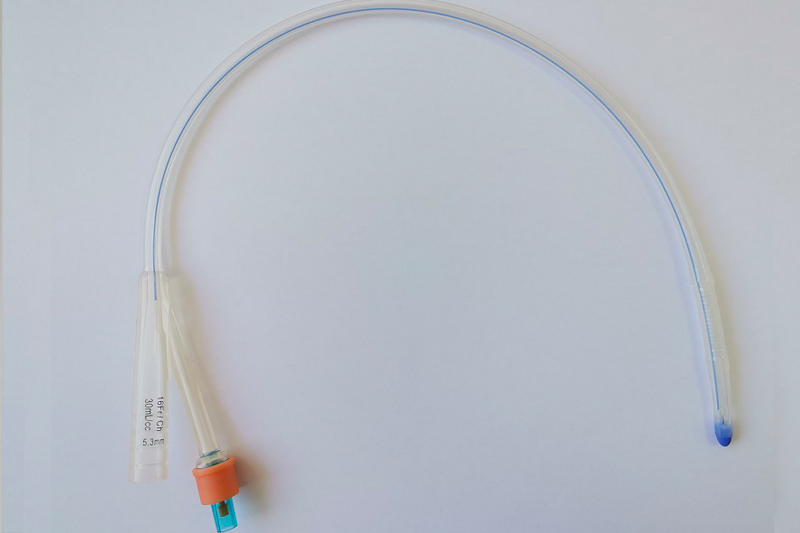
Why Silicone Urinary Catheters Excel in Safety and Long-Term Use
Biocompatibility and Reduced Tissue Irritation
Silicone urinary catheters work really well with body tissues and cause very little inflammation when used over time. They don't contain those problematic proteins found in latex that can trigger allergic reactions. Plus, silicone stands up better against the enzymes present in urine, which helps prevent issues like irritation, urethritis, or even strictures down the road. Industry reports from 2023 show that switching to these latex free options cut down on hypersensitivity problems by about three quarters compared to regular rubber catheters. Another plus point for silicone is its smooth surface that makes it harder for bacteria to stick to, so patients who need catheters for longer periods face lower risks of infections.
Superior Flexibility, Smooth Surface, and Larger Lumen for Improved Flow
The unique properties of silicone let it bend and shape around body contours without getting twisted or kinked, which cuts down on bladder neck trauma by about 40% compared to those stiff vinyl options. Silicone also has a naturally slick, water-repelling surface that makes insertion much more comfortable and reduces irritation against delicate tissues. When looking at different sizes of catheters measured in French units, silicone maintains the same internal shape throughout, creating bigger passageways inside than what's possible with regular latex products. Research into how fluids move through these tubes indicates urine flows out about 30% quicker with silicone catheters. Faster flow means less chance for urine to sit around, form deposits, or cause blockages later on.
Chemical Stability and Lower Encrustation Risk in Extended Indwelling
Silicone used in medical applications shows remarkable resistance to chemicals found in alkaline urine. It doesn't accumulate minerals or break down structurally even after long periods. Studies have found that silicone surfaces develop about half as much mineral buildup (around 58% less) than those coated with hydrogel on latex catheters. This makes sense because when there's less buildup, patients need fewer emergency replacements due to blockages, roughly cutting this problem down by 22%. Plasticized PVC materials tell a different story though. These start to lose their strength within only seven days when left inside the body. Silicone maintains its structural properties well past three months, which is why doctors often prefer it for longer term use in patients who require catheterization over extended periods.
Key Clinical Scenarios Requiring a Silicone Urinary Catheter
Latex Allergy or Urethral Hypersensitivity
Silicone becomes the go to option for patients who have been diagnosed with latex allergies or experience mysterious urethral sensitivity issues. By removing contact with those problematic latex proteins that trigger immune responses, silicone dramatically reduces the chances of severe allergic reactions, lining damage, or ongoing inflammation problems. The material's non reactive nature helps tissues accept it quickly, which makes silicone particularly important in cases where there's either suspicion or confirmation of sensitization. Many healthcare providers turn to silicone alternatives when regular catheters continue causing discomfort even after correct insertion methods are used consistently.
Long-Term Indwelling Needs (≥7 Days): Evidence-Based Guidelines
The major medical guidelines, including ones put out by the CDC and the European Association of Urology, generally point toward silicone as the material of choice when catheters need to stay in place for longer than a week. Silicone doesn't build up biofilms as easily, has lower chances of getting encrusted, and maintains its structural strength over time. All these factors help cut down on catheter associated urinary tract infections (CAUTIs) and the need for unexpected replacements. For patients who can't move around much after surgery or those receiving end-of-life care, this matters a lot because having consistent drainage without interruptions becomes absolutely essential to their comfort and recovery.
Silicone vs. Alternatives: Infection, Comfort, and Durability Compared
Lower Biofilm Formation and CAUTI Rates Versus Latex and Vinyl
The smooth, non porous nature of silicone makes it really resistant to bacteria sticking to its surface. This is actually the first step in how those nasty biofilms form on medical devices. Studies show that when patients need catheters for longer than a month, silicone ones cut down urinary tract infections by around half compared to traditional latex options. Another big plus for silicone is that it doesn't react chemically with body tissues. Latex and vinyl materials tend to break down over time, creating tiny cracks where germs can hide and multiply. These microscopic fissures become breeding grounds for pathogens. Considering that treating a single catheter associated urinary tract infection typically costs about $1000 extra, the fact that silicone lasts longer and prevents infections translates to real money saved for hospitals and better outcomes for patients.
Selecting the Optimal Silicone Urinary Catheter: Size, Tip, and Configuration
Foley, Intermittent, and Coudé Tips—Matching Anatomy and Pathology
Choosing the right catheter tip depends on what the patient needs clinically and their specific anatomy. Foley catheters featuring retention balloons work best when continuous drainage is required over longer periods. Intermittent catheters tend to be better suited for shorter durations or situations where patients need to self-catheterize, as this approach generally lowers the risk of infections. When dealing with anatomical issues such as urethral strictures or BPH (which affects about half of all men past 60), coudé-tipped options make a real difference. These specialized tips boost first time success rates and cut down on insertion trauma by around 30% according to studies in urology journals. The key takeaway? Look at each patient's unique urethral angles and any existing conditions before deciding on tip geometry.
Choosing Correct French Size and Balloon Volume for Safety and Efficacy
Proper sizing balances functional drainage with tissue preservation—especially vital for silicone catheters used over extended periods:
| Parameter | Clinical Standard | Risk of Improper Sizing |
|---|---|---|
| French Size (Diameter) | 14F–18F for adults | <14F: Inadequate drainage/leakage >18F: Urethral trauma, pain, or stricture risk |
| Balloon Volume | 10mL standard | >10mL: Bladder spasms, discomfort <5mL: Insecure fixation, displacement |
Use the smallest effective French size to limit mucosal stress while ensuring flow adequacy. In specialized cases—such as post-prostatectomy hemostasis—larger 30mL balloons may be warranted, but inflation must only occur after confirmed intravesical placement to prevent urethral injury.
FAQ
What are silicone urinary catheters used for?
Silicone urinary catheters are primarily used for patients requiring long-term catheterization, especially those with latex allergies or urethral hypersensitivity.
Why is silicone preferred over latex or vinyl for catheters?
Silicone is preferred because it causes less irritation, reduces infection risks, and maintains structural integrity over extended periods.
What is the importance of choosing the appropriate French size for catheters?
Choosing the correct French size ensures adequate drainage and reduces risks such as urethral trauma or inadequate drainage.