
 EN
EN
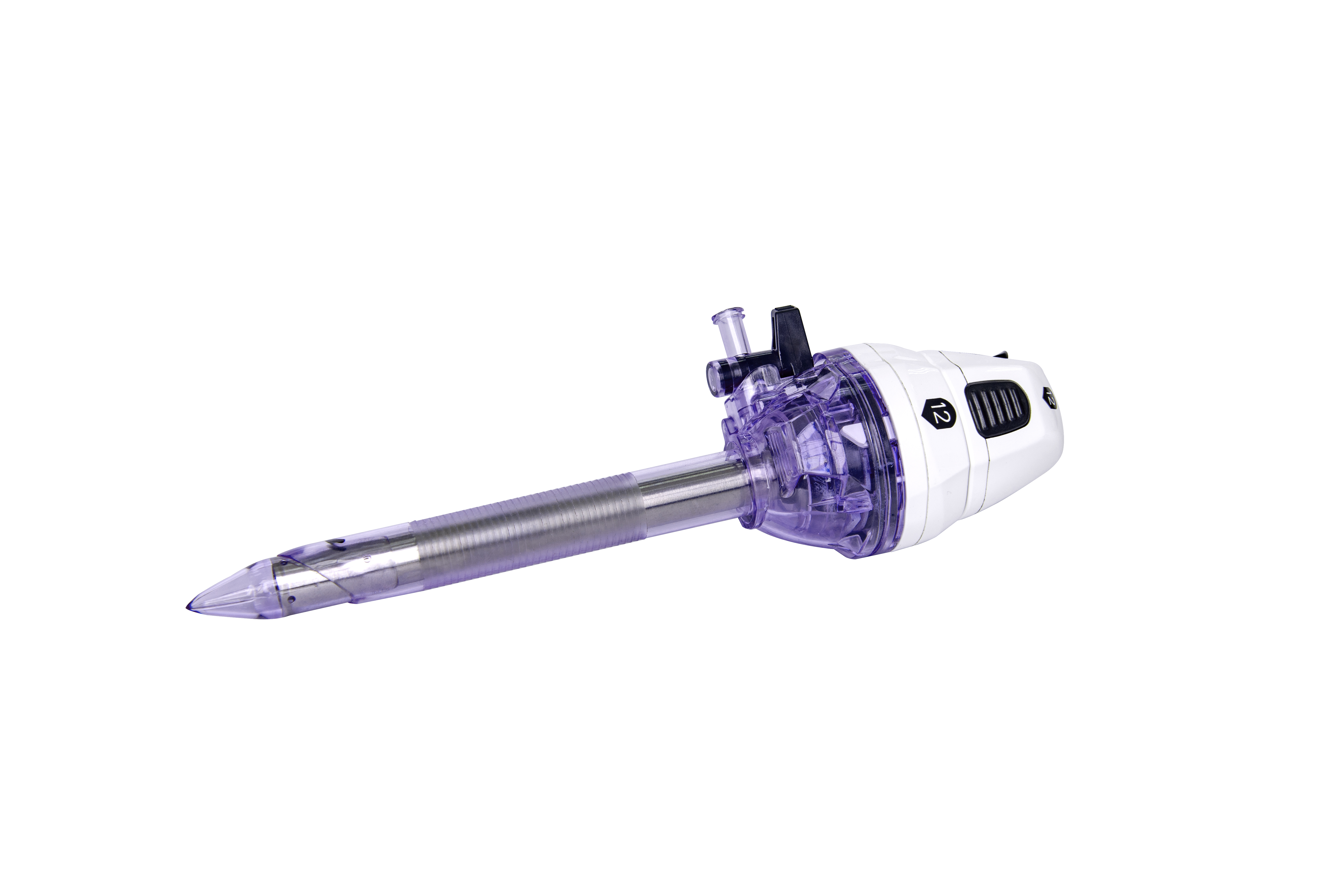
Understanding CE Marking for CE Disposable Laparoscopic Trocars
Why CE Marking Is Mandatory for Market Access in the EU
The CE (Conformité Européenne) mark isn't just some fancy sticker but rather a mandatory certification for any medical device wanting to enter the European Economic Area market. When we talk specifically about disposable laparoscopic trocars, having this CE mark means they comply with the strict regulations set out by the EU Medical Device Regulation 2017/745. Manufacturers who skip this step face serious problems because they simply aren't allowed to distribute or sell their products throughout the EEA without proper certification. What does this mark really mean? It basically tells everyone involved that these trocars meet fundamental standards when it comes to patient safety, how well they work during procedures, and overall product quality. Companies that ignore these rules risk getting their products pulled from shelves, facing massive fines that can go above half a million euros, plus dealing with damage to their reputation that might take years to repair.
Classification of Disposable Laparoscopic Trocars Under EU MDR (Class IIa)
Under the EU MDR, disposable laparoscopic trocars are classified as Class IIa medical devices—a designation reserved for moderate-risk instruments that:
- Penetrate body cavities (e.g., abdominal wall access),
- Sustain critical bodily functions for less than 30 days, or
- Pose potential for significant harm if they fail.
This classification triggers mandatory involvement of an EU Notified Body for conformity assessment. Manufacturers must demonstrate compliance through robust technical documentation, risk management per ISO 14971, and clinical evaluation supporting safety and performance.
Meeting Core EU MDR Requirements for CE Disposable Laparoscopic Trocars
Technical Documentation: Risk Management, Clinical Evaluation, and Usability Engineering
Technical documentation is the cornerstone of MDR compliance for CE disposable laparoscopic trocars. It must comprehensively address design rationale, manufacturing controls, and evidence of safety and performance. Key components include:
- Systematic risk management aligned with ISO 14971—covering material biocompatibility, blade-retraction reliability, and tip deployment mechanics;
- Clinical evaluation reports establishing safety equivalence to predicate devices, using peer-reviewed literature or original clinical data;
- Usability engineering validation per IEC 62366-1, including task-based simulations with surgeons to assess intuitive operation under real-world conditions such as gloved handling and limited visibility.
Inadequate human factors validation remains a leading cause of regulatory delays—accounting for 92% of avoidable setbacks in CE marking submissions (Emergo Group, 2023).
Conformity Assessment Pathway with a Notified Body
As Class IIa devices, CE disposable laparoscopic trocars require formal conformity assessment by an EU-designated Notified Body. This process includes audits of:
- The manufacturer's quality management system (QMS), certified to ISO 13485:2016;
- Completeness and scientific validity of the technical file—including sterilization validation, shelf-life testing, and biological evaluation;
- Post-market surveillance (PMS) and vigilance protocols.
Upon successful review, the Notified Body issues an EU Quality System Certificate per Annex IX of MDR 2017/745. Ongoing oversight includes unannounced facility audits every two years—a critical safeguard, given that 63% of recent medical device recalls were linked to gaps in post-market surveillance (MedTech Europe, 2024).
Design, Safety, and Human Factors Validation for CE Disposable Laparoscopic Trocars
Critical Safety Mechanisms: Blade Retraction, Shield Activation, and Visual Confirmation
Disposable laparoscopic trocars from CE come with multiple layers of safety built right in to help avoid injuries during surgery. When these instruments go into the belly area, their blade retraction system kicks in fast, pulling back any sharp parts right away so they don't accidentally cut anything they shouldn't. After the tool has been used, an integrated shield automatically covers those blades for extra protection. Surgeons get visual clues like different colored markers on the device, plus they can feel or hear when everything locks properly into place. All these safety checks aren't just theoretical either. Manufacturers test them extensively using simulations that mimic actual operating room conditions and look at all possible ways things might fail. This thorough approach makes sure the products satisfy the strict safety standards outlined in the Medical Device Regulation requirements.
ISO 13485 Integration and Human Factors Testing per EN ISO 14971 & IEC 62366-1
Getting ISO 13485:2016 certification means having that basic quality management system in place for making CE marked disposable laparoscopic trocars consistently and under control. What makes this standard work so well is how it plays nicely with EN ISO 14971 risk management standards. Together they help companies find those potential problems early on, figure out just how bad they could be, and then fix them before anyone gets hurt. Biological risks are definitely part of the equation here, along with all those little mistakes people make when using medical equipment. Then there's the human factors testing according to IEC 62366-1 which basically checks if doctors can actually use these trocars safely even when things get stressful in surgery. Real clinicians run through tests multiple times, rate how serious their mistakes might be during actual procedures, and manufacturers tweak designs based on what surgeons tell them works best. All this meets the Medical Device Regulation requirements for usability engineering specifically for Class IIa devices.
Post-Market Compliance and Sustained Quality Assurance
Post-Market Surveillance (PMS), Vigilance Reporting, and Article 83 Obligations
The job of regulatory compliance doesn't stop once those CE marks are applied. Companies need to keep their eyes open after products hit the market too. Post-market surveillance isn't just some checkbox exercise it's about tracking how CE certified disposable laparoscopic trocars actually perform in real operating rooms. The system gathers all sorts of field data complaints from surgeons, reports of adverse events, even maintenance logs to spot any new risks early on and make improvements where needed. When something goes wrong under the Medical Device Regulation rules, manufacturers have only 15 days to report serious incidents to the relevant authorities. And Article 83 gets really specific about having proper documentation for when corrective action becomes necessary whether that means pulling devices off shelves, updating labels, or changing designs altogether. This whole process creates a feedback loop connecting what happens during surgeries back to engineering teams working on next generation products. Maintaining this connection helps build confidence among patients while keeping regulators happy and ultimately ensures medical devices stay reliable over time instead of becoming obsolete or dangerous.
FAQ - CE Disposable Laparoscopic Trocars
What is CE marking and why is it important for laparoscopic trocars?
CE marking is a mandatory certification indicating that a medical device, such as disposable laparoscopic trocars, complies with EU regulations, ensuring safety, performance, and quality standards.
What classification do disposable laparoscopic trocars fall under in the EU MDR?
Disposable laparoscopic trocars are classified as Class IIa medical devices under the EU MDR, covering moderate-risk instruments.
What safety mechanisms are incorporated in CE disposable laparoscopic trocars?
CE disposable laparoscopic trocars include blade retraction systems, integrated shields, and visual confirmation markers to prevent surgical injuries.
What role do human factors play in the design of laparoscopic trocars?
Human factors testing ensures clinicians can safely use trocars, especially under stress, by evaluating usability according to IEC 62366-1 standards.
What is post-market surveillance (PMS) and why is it critical?
PMS involves tracking the product's performance in real settings, gathering data on issues, and ensuring timely reporting and adjustments to maintain compliance and safety.
Table of Contents
- Understanding CE Marking for CE Disposable Laparoscopic Trocars
- Meeting Core EU MDR Requirements for CE Disposable Laparoscopic Trocars
- Design, Safety, and Human Factors Validation for CE Disposable Laparoscopic Trocars
- Post-Market Compliance and Sustained Quality Assurance
-
FAQ - CE Disposable Laparoscopic Trocars
- What is CE marking and why is it important for laparoscopic trocars?
- What classification do disposable laparoscopic trocars fall under in the EU MDR?
- What safety mechanisms are incorporated in CE disposable laparoscopic trocars?
- What role do human factors play in the design of laparoscopic trocars?
- What is post-market surveillance (PMS) and why is it critical?