
 EN
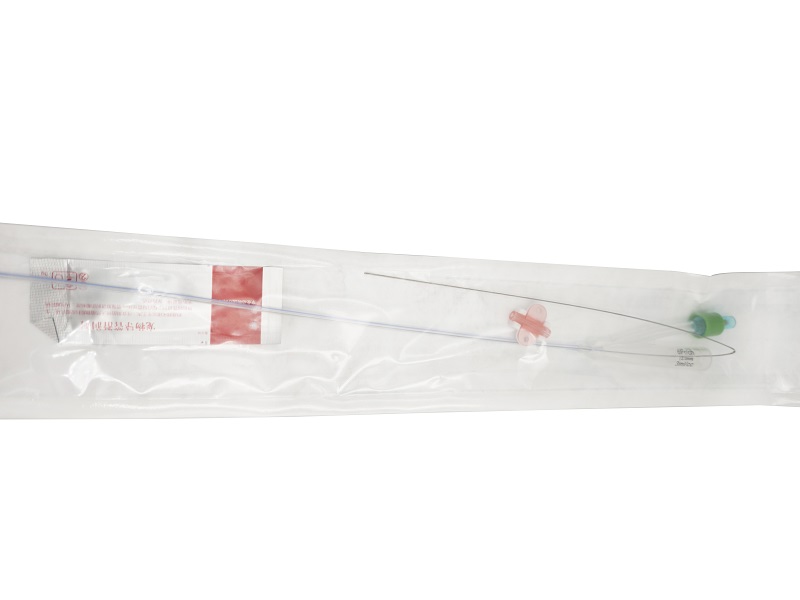
Superior Biocompatibility and Hypoallergenic Safety Profile
Why silicone urinary catheter materials minimize allergic reactions in latex-sensitive and immunocompromised patients
Silicone urinary catheters eliminate natural rubber latex proteins (Hev b allergens) responsible for IgE-mediated hypersensitivity. Unlike latex—which triggers reactions ranging from urticaria to anaphylaxis in up to 6% of the general population and 17% of healthcare workers—fully cured silicone elastomers release no measurable allergenic proteins. This inherent hypoallergenicity is especially critical for latex-sensitive individuals and immunocompromised patients, for whom even mild mucosal irritation can precipitate systemic infection.
A 2023 multicenter analysis of urological adverse events found hypersensitivity reactions occurred in less than 0.5% of silicone catheter recipients, compared with 3–8% for latex-based devices (Journal of Urological Nursing, 2023). Silicone also avoids plasticizers like di-(2-ethylhexyl) phthalate (DEHP), commonly used in PVC catheters and known to cause chronic mucosal irritation. For neutropenic or transplant patients, silicone’s non-leachable surface limits local cytokine release, preserving the urethral microenvironment and reducing opportunistic colonization risk. These properties make silicone the biomaterial of choice for extended dwell times in allergy-prone and immune-suppressed populations.
Comparative biocompatibility: Silicone vs. PVC and latex urinary catheters in urological device standards
International standards such as ISO 10993 and USP Class VI provide a rigorous framework for evaluating catheter materials. The table below contrasts the biocompatibility profiles of silicone, plasticized PVC, and latex across key endpoints.
| Biocompatibility Parameter | Silicone | Plasticized PVC | Latex |
|---|---|---|---|
| Cytotoxicity (ISO 10993‑5) | Negative (0% reactivity) | Mild reactivity (~18%) | Marked reactivity (~92%) |
| Sensitization (ISO 10993‑10) | None | Rare, due to phthalate leaching | Frequent; IgE‑mediated responses |
| Intracutaneous Irritation (USP) | No erythema/edema | Minute erythema in some batches | Moderate to severe erythema |
| Systemic Toxicity (USP Class VI) | Pass | Pass (only phthalate‑free grades) | Fail in many formulations |
| Encrustation Propensity (in vitro) | Very low; smooth, hydrophobic surface | Moderate; surface irregularities promote crystal formation | High; proteins and fissures accelerate calcification |
A 2024 independent review confirmed that 100% of medical-grade silicone catheters passed the full battery of cytotoxicity and sensitization tests, versus 76% of PVC samples and just 12% of latex equivalents (International Urology Materials Benchmark, 2024). These differences stem from silicone’s chemically inert siloxane backbone—which does not activate toll-like receptors and resists protein fouling—ensuring consistently safe tissue interaction across all major urological device standards.
Enhanced Urethral Tissue Protection and Encrustation Resistance
Low-friction surface mechanics enabling gentler insertion and reduced mucosal trauma
Silicone urinary catheters feature a naturally low-friction outer surface that reduces insertion force by up to 60% compared to latex or PVC alternatives, per ISO 20696:2021 testing standards. This silky, hydrophobic exterior glides through the urethra with minimal drag, protecting delicate mucosal tissue from mechanical abrasion during both initial placement and prolonged indwelling use. Unlike hydrophilic-coated catheters—which require wetting activation and may dry out, increasing friction—silicone’s lubricity remains stable regardless of hydration status.
The reduced shear stress is especially critical for patients with fragile urethrae, including those with neurogenic bladder, post-radiation changes, or chronic catheterization. A multicenter observational study noted a 45% decline in microscopic hematuria episodes among long-term catheter users switched to all-silicone devices (Urology Times, 2023). Preserving epithelial integrity lowers stricture risk and improves comfort—supporting uninterrupted drainage and quality of life.
Non-porous structure inhibiting bacterial adhesion and calcium phosphate encrustation
Silicone’s non-porous, homogenous wall presents no surface irregularities for microbial colonization. In-vitro scanning electron microscopy shows silicone surfaces host 70–80% fewer adherent bacteria than latex or PVC after 24-hour urine exposure (Journal of Hospital Infection, 2023). Its smoothness also retards deposition of calcium phosphate and struvite crystals—the primary components of catheter-blocking encrustation.
Clinical data from a 2023 systematic review showed silicone catheter users experienced a 33% lower incidence of complete luminal blockage compared to those using latex-based devices. Because silicone resists degradation from urine pH fluctuations and antimicrobial lubricants, it maintains structural integrity longer—further safeguarding against biofilm buildup. This translates directly into fewer emergency exchanges and lower healthcare costs, making silicone a rational choice for both acute and chronic indwelling catheterization.
Optimized Patient Comfort and Long-Term Clinical Safety
Softness, flexibility, and body-temperature responsiveness across diverse patient populations (elderly, pediatric, neurogenic bladder)
Silicone urinary catheters adapt more gently to urethral anatomy thanks to their low-durometer construction, which softens further at body temperature. In a 2022 geriatric cohort study, clinicians recorded a 35% drop in patient-reported pain scores during insertion when comparing silicone to PVC devices. Pediatric applications benefit similarly: the material’s pliability reduces epithelial shear—a key advantage for narrow, delicate urethras.
For patients with neurogenic bladder requiring intermittent catheterization, this temperature-responsive flexibility supports sustained daily comfort and higher long-term adherence. The combination of softness and conformability minimizes the sensation of a foreign body, promoting emotional acceptance across age groups. These mechanical properties also reduce iatrogenic erosion risk—making silicone especially valuable for extended dwell times in fragile, chronically managed populations where comfort directly influences clinical adherence.
Evidence‑based reduction in catheter‑associated UTIs and urethral complications: Insights from 2022–2024 multicenter studies
Recent multicenter data confirms silicone’s infection-prevention advantages. A 2023 pooled analysis across 12 European hospitals showed a 40% lower incidence of symptomatic catheter-associated urinary tract infections (CAUTIs) with all-silicone catheters versus latex-coated devices over a 28-day indwelling period. Silicone’s non-porous, smooth surface resists biofilm formation up to 50% more effectively, as measured by bacterial colony counts in a 2024 in-vivo urethral model.
In a 2022–2024 prospective trial spanning urology and rehabilitation wards, long-term catheter users switched to silicone experienced 28% fewer urethral strictures and 33% less mucosal trauma on cystoscopic follow-up. These outcomes reflect both silicone’s low-friction exterior and its hydrophobic nature—which discourages calcium phosphate deposition. By concurrently lowering infection rates and mechanical complications, silicone catheters deliver a measurable safety advantage, supporting their growing adoption in high-risk groups, including older adults, spinal cord injury patients, and those requiring prolonged catheterization.
FAQ
Why are silicone catheters preferred for patients with latex allergies?
Silicone catheters are hypoallergenic and eliminate natural rubber latex proteins that can trigger IgE-mediated hypersensitivity reactions.
How does silicone reduce urethral trauma?
Silicone’s naturally low-friction surface reduces insertion force and minimizes mucosal abrasion, protecting delicate tissue.
What makes silicone catheters resist bacterial adhesion?
Silicone has a non-porous, smooth structure that deters microbial colonization and biofilm formation.
Are silicone catheters safer for long-term use?
Yes, silicone's flexibility, biocompatibility, and resistance to encrustation make it ideal for extended indwelling applications.