
 EN
EN
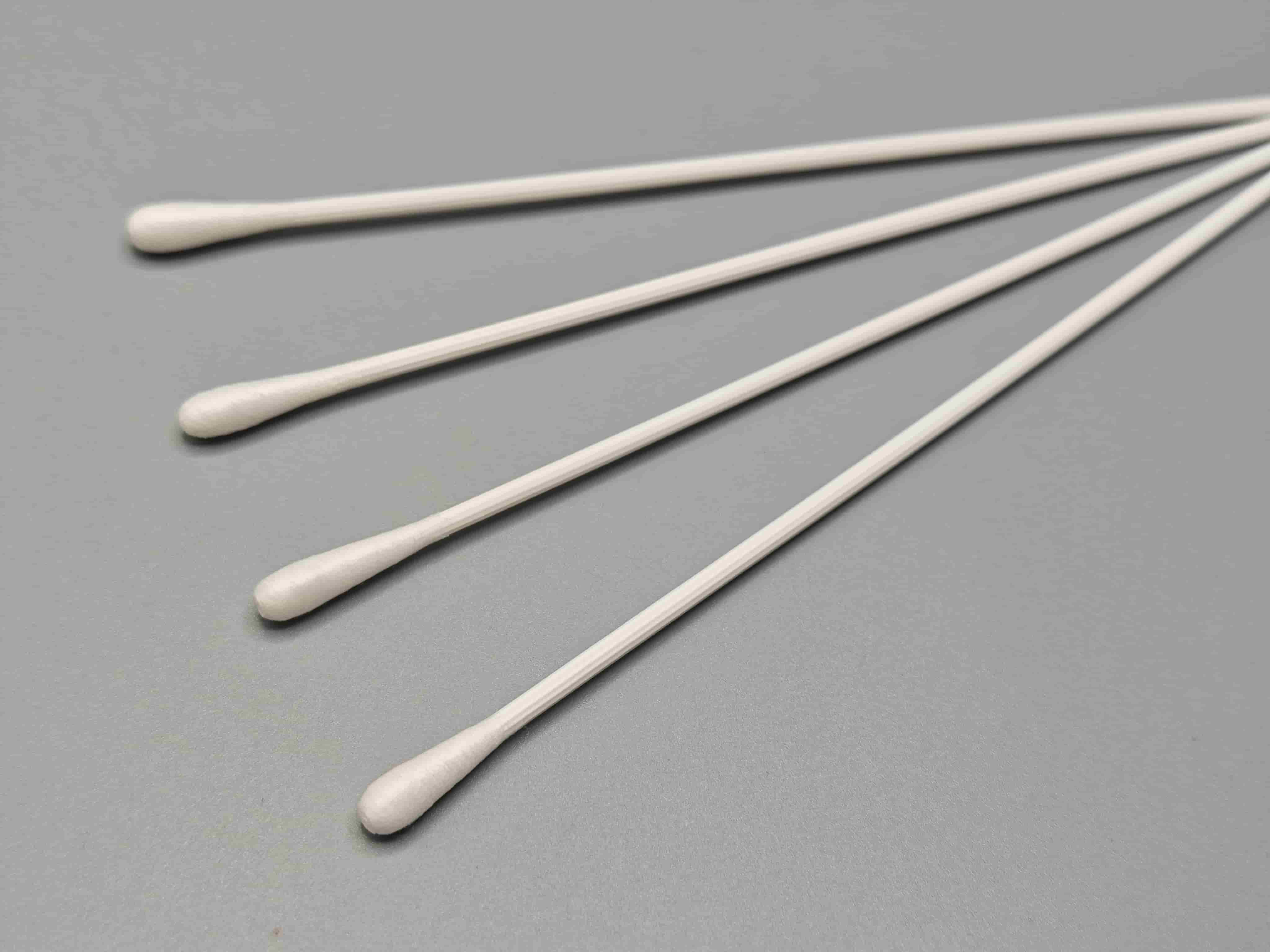
Anatomy and Technique: Performing a Reliable Nasopharyngeal Swab
Optimal diagnostic accuracy begins with a technique that merges precise anatomical knowledge with a standardized protocol, ensuring the nasopharyngeal swab reaches the target mucosa without compromising sample integrity.
Key Anatomical Landmarks Guiding Optimal Nasopharyngeal Swab Placement
The nasopharynx lies posterior to the nasal cavity, and correct swab placement requires aligning the swab’s trajectory with the floor of the nose. The key landmark is the distance from the patient’s nostril to the ear, which approximates the depth needed to reach the nasopharyngeal mucosa. The CDC recommends tilting the patient’s head back 70 degrees and inserting a flexible swab parallel to the palate—not upward—until resistance indicates contact with the posterior nasopharynx. Visualizing the nasal floor as a horizontal guide helps avoid the superior turbinate, reducing pain and epistaxis. The swab must advance past the inferior turbinate, with the shaft remaining nearly parallel to the nasal bridge. Failure to recognize these landmarks often leads to premature stopping in the anterior nares, which can cut viral load detection by more than half. A flexible, synthetic-fiber swab is essential for navigating this anatomical curve without trauma.
Step-by-Step Collection Protocol and Avoidance of Common Operator Errors
Begin by donning appropriate personal protective equipment and confirming the patient’s head is tilted back 70 degrees. Gently insert a mini-tip, synthetic-fiber nasopharyngeal swab along the nostril floor, keeping the shaft parallel to the palate. Advance until the distance from the ear to the nostril is reached or gentle resistance is felt, then rotate the swab several times and leave it in place for 5–10 seconds to absorb secretions. Withdraw slowly and immediately place the swab into viral transport medium. The most frequent operator errors are inserting the swab upward—which causes trauma—and using cotton-tipped or wooden-shaft swabs. The CDC explicitly advises against calcium alginate or wooden shafts, as they may inhibit molecular assays. Other pitfalls include insufficient depth, failing to rotate, and delayed processing, which together can reduce sensitivity by up to 20% (Smith et al., 2022).
Diagnostic Performance of the Nasopharyngeal Swab Across Major Respiratory Pathogens
SARS-CoV-2 Detection: Sensitivity, Timing, and Clinical Correlation
The nasopharyngeal swab (NPS) remains the reference specimen for SARS-CoV-2 molecular testing, with sensitivity closely tied to the timing of collection. A 2021 meta-analysis of 23 studies reported a pooled sensitivity of 89% for symptomatic patients sampled within the first week of symptom onset, dropping to 54% after day 14. A large multicenter study demonstrated that viral RNA levels peak during the first five days of illness, yielding a 97% detection rate when NPS is performed correctly. Conversely, premature sampling—within 24 hours of exposure—and inadequate swab insertion depth can generate false negatives, as the nasopharynx may not yet contain sufficient viral material. Clinical correlation is essential: patients with a high pre-test probability (e.g., classic symptoms plus known exposure) but a negative NPS should be retested, ideally with a lower respiratory tract sample if symptoms persist. These findings underscore that the NPS is not a standalone arbiter; its diagnostic yield must be interpreted in the context of disease phase and clinical presentation.
Influenza, RSV, and Pertussis: Evidence-Based Accuracy Compared to Alternatives
For influenza A and B, NPS consistently outperforms oropharyngeal swabs. A 2019 meta-analysis of 12 studies found that NPS achieved a sensitivity of 88–95% for influenza, compared to 70–80% for oropharyngeal specimens. In children, the gap widens: nasopharyngeal swab collection detected respiratory syncytial virus (RSV) with a sensitivity of 94% in a 2020 clinical validation, while nasal aspirates reached only 71%, highlighting the importance of deep mucosal sampling. For Bordetella pertussis, NPS combined with culture and PCR delivers a sensitivity of 97% when specimens are obtained within the first two weeks of cough onset. Saliva and anterior nares swabs, while less invasive, exhibit significantly lower detection rates for these pathogens. The NPS’s superiority stems from the high density of infected ciliated epithelial cells in the nasopharynx—a concentration that alternative sampling sites cannot match. Consequently, when clinical suspicion is high and rapid, accurate diagnosis is critical, NPS remains the evidence-based first choice for influenza, RSV, and pertussis testing.
Nasopharyngeal Swab vs. Alternative Specimen Types: When and Why to Choose Each
Comparative Yield: Anterior Nares, Oropharyngeal, Saliva, and Lower Respiratory Samples
The nasopharyngeal swab (NPS) remains the reference standard for upper respiratory sampling, but its diagnostic yield must be weighed against comfort, practicality, and infection stage. A direct comparison of relative sensitivity—based on viral RNA detection rates—helps clinicians choose the right specimen for each scenario.
| Specimen Type | Relative Sensitivity (vs. NPS) | Invasiveness | Best Use Case |
|---|---|---|---|
| Nasopharyngeal | Reference (highest) | High | Early infection, hospital-based diagnosis, high-yield pathogen recovery |
| Anterior Nares | ~5–15% lower | Low | Mass screening, home testing, serial sampling |
| Oropharyngeal | ~10–20% lower | Low–moderate | Pharyngitis, when NPS is contraindicated, combined with nasal swab |
| Saliva | Comparable in some studies; may drop after symptom onset | None | Community surveillance, self-collection, pediatric settings |
| Lower Respiratory (sputum, BAL) | Higher in severe/critical illness | High | Hospitalized patients with lower tract involvement, late-stage COVID-19 |
Anterior nares and saliva samples offer practical advantages for wide-scale deployment, sacrificing some sensitivity for speed and reduced discomfort. For severe infections, lower respiratory specimens often outperform NPS because viral shedding shifts to the lower tract. The choice ultimately hinges on the clinical context, test turnaround requirements, and the pathogen’s typical shedding pattern.
Pre-Analytic Variables That Directly Impact Nasopharyngeal Swab Reliability
The reliability of a nasopharyngeal swab result is not determined solely by the laboratory assay; it is profoundly shaped by a series of pre-analytic variables that occur before the sample is ever analyzed. These factors are the most common and significant sources of error in diagnostic testing, directly influencing the concentration and integrity of the target pathogen's nucleic acids.
A critical starting point is the swab device itself. The material composition and structural design of the swab head are primary drivers of collection efficiency. Research demonstrates that the amount of cellular material retrieved—measured by the concentration of the human GAPDH gene—can vary dramatically between commercial swabs, with a more than 100-fold difference observed—from 4.36 × 10⁸ copies/mL to 6.98 × 10¹⁰ copies/mL. This confirms that the swab's head material is the most influential factor in sampling efficiency, impacting the test's ability to accurately detect a pathogen. Similarly, the swab shaft's flexibility is a key design element that affects both patient comfort and the operator's ability to maneuver the swab to the correct anatomical target, indirectly influencing sample quality.
Beyond the device, the collection technique and subsequent handling form the next critical layer of pre-analytic vulnerability. The physical act of sampling must be performed correctly to ensure an adequate volume of infected host cells is collected. Immediately after collection, the choice of transport medium and the control of time and temperature become paramount. The transport medium must preserve target nucleic acid—for instance, using a medium that inactivates the virus while stabilizing RNA for molecular tests. Delays in transport or exposure to extreme temperatures can trigger enzymatic degradation of genetic material by nucleases present in the sample. To mitigate this, swabs designated for molecular testing are manufactured to be nuclease-free, and their materials are selected to avoid interference with downstream assays—ensuring sample integrity is maintained from collection through analysis.
FAQ Section
What is the ideal method to perform a nasopharyngeal swab?
The ideal method involves tilting the patient’s head back 70 degrees, aligning the swab with the nasal floor, inserting it until resistance is felt at the posterior nasopharynx, rotating for 5–10 seconds, and withdrawing it gently.
Why is nasopharyngeal swab sensitivity important?
Sensitivity is crucial for accurate pathogen detection, especially in early-stage infections. Proper swab placement reduces false negatives by ensuring adequate sample collection from the target mucosa.
How does specimen type impact diagnostic yield?
Diagnostic yield varies significantly by specimen type. Nasopharyngeal swabs provide the highest sensitivity for upper respiratory pathogens compared to alternatives like anterior nares and saliva samples.
What factors influence pre-analytic reliability?
Key factors include swab design, collection technique, transport medium quality, and minimizing delays or temperature fluctuations during transport.
Which pathogens are best detected using nasopharyngeal swabs?
Nasopharyngeal swabs are highly effective for detecting SARS-CoV-2, influenza, RSV, and pertussis due to the high density of infected ciliated epithelial cells in the nasopharynx.
Table of Contents
- Anatomy and Technique: Performing a Reliable Nasopharyngeal Swab
- Diagnostic Performance of the Nasopharyngeal Swab Across Major Respiratory Pathogens
- Nasopharyngeal Swab vs. Alternative Specimen Types: When and Why to Choose Each
- Pre-Analytic Variables That Directly Impact Nasopharyngeal Swab Reliability
- FAQ Section