
 EN
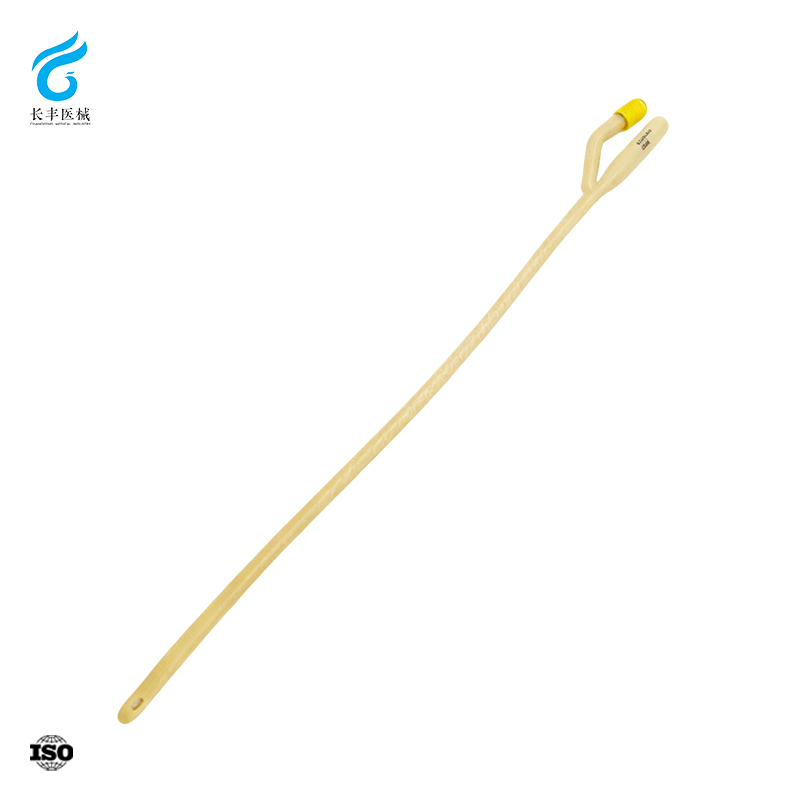
Enhanced Patient Comfort and Clinical Utility of Foley Latex Catheters
Superior Flexibility and Atraumatic Insertion for Reduced Urethral Trauma
Foley latex catheters possess thermo-sensitive elasticity—softening at body temperature to conform gently to urethral anatomy. This pliability distributes insertion pressure evenly, reducing friction and the risk of mucosal injury. As noted in a 2016 review of catheter materials, latex’s high tensile strength and ease of processing make it an ideal base for short-term indwelling use, particularly when enhanced with silicone or hydrogel coatings that further lower surface resistance. The combination of a flexible core and smooth outer layer reduces required insertion force—especially valuable for patients with narrow or sensitive urethras. Clinically, this translates to fewer traumatic insertions, less patient discomfort, and lower rates of procedure-related urethral strictures. Adaptive shaping also minimizes “pistoning” at the bladder neck, supporting more comfortable dwell times. While natural rubber latex proteins can provoke allergic reactions, pre-screening reliably identifies at-risk individuals, preserving latex’s mechanical advantages as a safe, first-line option for most short-term catheterizations.
Reliable Short-Term Drainage in Acute Urinary Retention and Postoperative Care
In acute urinary retention and postoperative recovery, consistent bladder drainage is essential to prevent distension, autonomic dysreflexia, and infection. Foley latex catheters provide dependable performance for up to 14 days—within manufacturer-recommended limits—and feature a large, kink-resistant lumen often reinforced with a thin-walled silicone coating. That coating not only maintains flow during patient movement but also reduces bacterial adhesion, delaying early encrustation. Available in broad French-size and balloon-volume ranges, these catheters support rapid, individualized selection without supply delays. Their low cost enables strict adherence to single-use protocols, reinforcing infection prevention. In surgical settings, clear output monitoring is straightforward, and the soft, symmetrically inflating balloon ensures secure retention without excessive bladder neck pressure—making the Foley latex catheter a practical, evidence-supported choice when prompt, reliable evacuation is clinically urgent.
Infection Mitigation and Safety Protocols for Foley Latex Catheter Use
Hydrogel-Coated Foley Latex Catheters: Lowering Biofilm Risk and CAUTI Incidence
Hydrogel-coated Foley latex catheters represent a targeted infection mitigation strategy for short-term use. The hydrophilic coating forms a lubricious, low-friction surface that inhibits bacterial adhesion and protein deposition—key precursors to biofilm formation and encrustation. Unlike uncoated latex, which has a porous microstructure conducive to microbial colonization, hydrogel technology significantly lowers bioburden during typical indwelling periods (≤7 days). This directly contributes to reduced catheter-associated urinary tract infection (CAUTI) incidence—a leading hospital-acquired condition linked to prolonged stays and higher costs. For acute urinary retention or routine postoperative care, hydrogel-coated variants offer an optimal balance of elasticity, biocompatibility, and antimicrobial efficacy—without compromising ease of insertion or retention security.
Mandatory Latex Allergy Screening and Contraindication Management
Latex allergy screening is non-negotiable before any Foley latex catheter use. Natural rubber latex proteins can trigger IgE-mediated hypersensitivity—from localized urticaria to life-threatening anaphylaxis. Patients with spina bifida, multiple prior surgeries, or occupational exposure (e.g., healthcare workers) face elevated sensitization risk. A standardized pre-procedure questionnaire—assessing known allergies, prior reactions to latex gloves or balloons, and atopic history—is essential. When suspicion arises, confirmatory testing must be performed, and latex devices become absolutely contraindicated. In such cases, silicone or other non-latex alternatives are required. Documenting allergy status and material selection in the electronic health record—and embedding screening into digital order sets—ensures system-level safety, prevents inadvertent exposure, and mitigates medicolegal risk.
Cost-Effectiveness and Operational Advantages of Foley Latex Catheters
Material Efficiency and Supply Chain Accessibility Drive Value in Short-Term Use
Foley latex catheters deliver distinct economic and operational value in short-term clinical applications. Natural rubber latex is abundant and inexpensive to process, enabling manufacturers to produce these devices at significantly lower cost than silicone or fully hydrogel-based alternatives. This affordability directly reduces per-unit expenditures—particularly impactful in high-volume areas like emergency departments and post-anesthesia care units. Global production across diverse vendors ensures robust supply chain resilience, minimizing stockouts and procurement delays. Furthermore, the latex balloon’s predictable, symmetric inflation enhances retention reliability, decreasing the need for replacements during brief indwelling periods. For acute urinary retention or perioperative use—typically lasting under 72 hours—the convergence of low acquisition cost, proven performance, and logistical simplicity makes the Foley latex catheter a pragmatic, resource-conscious choice that upholds core clinical standards.
Evidence-Based Selection: Aligning Foley Latex Catheter Use with Patient-Specific Factors
Clinical guidelines and systematic reviews consistently advocate a patient-tailored approach to catheter material selection—anchored in three key variables: anticipated dwell time, confirmed allergy status, and baseline infection risk. For short-term use (<7 days), such as acute urinary retention or immediate postoperative monitoring, hydrogel-coated Foley latex catheters demonstrate favorable outcomes: comparable CAUTI rates to silicone, superior flexibility for atraumatic insertion, and significantly lower cost (Gould et al., 2023). However, beyond two weeks, latex’s inherent porosity accelerates biofilm development, increasing CAUTI risk—prompting universal guideline recommendations for silicone or silicone-coated alternatives in extended use. Crucially, latex allergy screening remains mandatory: even one exposure in a sensitized individual may provoke systemic reaction. Therefore, the evidence-based pathway is unequivocal—reserve latex catheters for brief, acute indications in patients with verified negative allergy histories, and transition to silicone for prolonged dwell times or recurrent UTIs. This stratified, protocol-driven approach optimizes both safety and stewardship.
Frequently Asked Questions (FAQs)
What are Foley latex catheters used for?
Foley latex catheters are commonly used for short-term urinary drainage in acute urinary retention, postoperative care, and similar situations requiring prompt and reliable bladder evacuation.
How does latex offer superior flexibility in catheters?
Latex is thermo-sensitive, softening at body temperature to conform gently to urethral anatomy, reducing friction and minimizing urethral trauma during catheter insertion.
Are hydrogel-coated Foley latex catheters safer for short-term use?
Yes, hydrogel-coated catheters reduce bacterial adhesion and biofilm formation, thereby lowering catheter-associated urinary tract infection (CAUTI) risks during short-term use.
How can latex allergies affect catheter selection?
Latex allergies can lead to reactions ranging from localized irritation to anaphylaxis. Screening and confirmatory testing are mandatory to ensure safe material selection, with silicone-based options recommended for allergic patients.
What is the typical duration for Foley latex catheter indwelling use?
Foley latex catheters are recommended for up to 14 days, aligning with manufacturer and clinical guidelines for short-term use.
Table of Contents
- Enhanced Patient Comfort and Clinical Utility of Foley Latex Catheters
- Infection Mitigation and Safety Protocols for Foley Latex Catheter Use
- Cost-Effectiveness and Operational Advantages of Foley Latex Catheters
- Evidence-Based Selection: Aligning Foley Latex Catheter Use with Patient-Specific Factors
- Frequently Asked Questions (FAQs)