
 EN
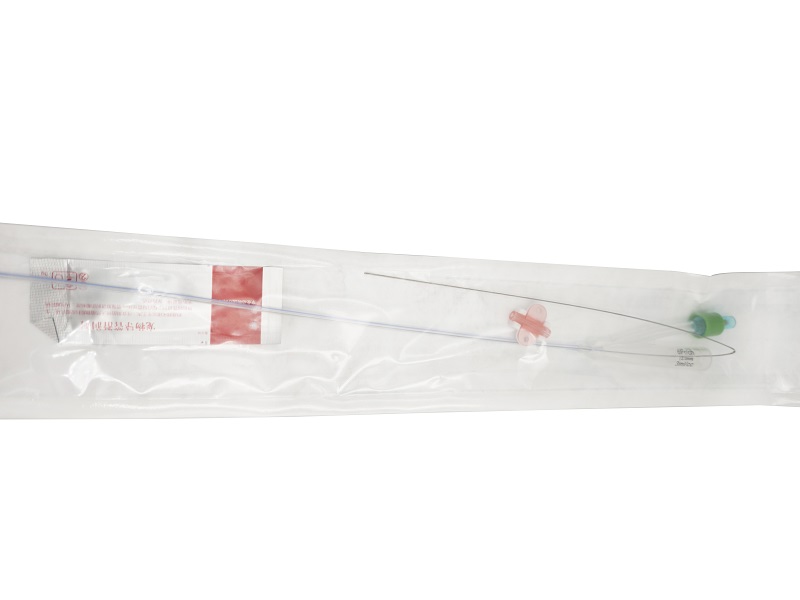
Allergenicity and Patient Safety: Why Silicone Urinary Catheter Is Preferred in Latex‑Sensitive Populations
Latex allergy prevalence and acute/chronic risks in urological care
Latex allergy affects 1–6% of the general population, but prevalence rises to 8–12% among healthcare workers and exceeds 60% in patients with spina bifida (CDC, 2020). In urological care—where repeated exposure to latex gloves and catheters is common—sensitization risk is heightened. Even a single indwelling latex catheter can provoke acute IgE-mediated reactions, ranging from contact urticaria and rhinitis to life-threatening anaphylaxis. Chronic exposure carries additional consequences: persistent mucosal inflammation, urethral stricture formation, and delayed-type hypersensitivity that may be misdiagnosed as recurrent urinary infection. Because symptoms often overlap with other urological conditions, catheter-related latex allergy remains under-recognized. Clinicians must therefore screen for latex sensitivity before catheterization—especially in patients with spina bifida, multiple prior surgeries, atopy, or occupational latex exposure.
Silicone urinary catheter as the gold‑standard non‑allergenic alternative
Silicone urinary catheters are inherently hypoallergenic: their inert, protein-free surface eliminates the natural rubber latex (NRL) allergens responsible for IgE-mediated reactions. True silicone allergy is exceptionally rare, making silicone the safest, evidence-supported choice for latex-sensitive individuals. Beyond allergen avoidance, silicone’s biocompatibility reduces mechanical irritation and mucosal trauma, lowering risks of urethral erosion and inflammatory strictures during long-term use. Clinical guidelines—including those from the CDC and the European Association of Urology—recommend silicone catheters for patients with known or suspected latex allergy. Increasingly, institutions adopt silicone as the default for all indwelling catheterizations to prevent inadvertent exposure. This proactive shift not only averts acute anaphylaxis but also mitigates chronic inflammatory sequelae that drive repeat interventions and escalate healthcare costs.
Material Performance: Flexibility, Biocompatibility, and Resistance to Encrustation
Thermo-responsive flexibility of silicone vs. rigid-latex behavior in urethral anatomy
A silicone urinary catheter’s thermo-responsive flexibility is clinically consequential: it softens at body temperature, enabling dynamic conformity to individual urethral anatomy. This adaptive pliability minimizes focal pressure points on the urethral mucosa—reducing ischemia, microtrauma, and subsequent tissue erosion. In contrast, latex catheters retain rigidity at body temperature, resisting anatomical contours and increasing mechanical irritation. Studies show significantly lower insertion force and post-procedural hematuria with silicone catheters, reflecting improved patient tolerance and reduced urethral injury. This balance of structural integrity and adaptive softness is a hallmark of biocompatibility—and directly supports safer, longer-duration indwelling.
Superior encrustation resistance and long-term indwelling reliability of silicone urinary catheter
Encrustation—driven by calcium and magnesium phosphate crystal deposition—is a leading cause of catheter blockage and premature exchange. Silicone’s smooth, hydrophobic surface impedes initial crystal adhesion and delays biofilm nucleation, a critical step in encrustation progression. A 30-day clinical comparison found silicone catheters accumulated just 0.8 g of encrustation versus 2.5 g on latex devices (Journal of Urology, 2021). This markedly lower burden translates to more reliable urinary drainage, fewer occlusions, and reduced need for traumatic replacements. As a result, silicone catheters sustain functional longevity—supporting uninterrupted flow and minimizing procedural risk in extended indwelling scenarios.
Clinical Decision Framework: Matching Catheter Material to Use Case and Duration
Material selection must be guided by dwell time, patient risk profile, and institutional safety standards. For short-term use (<24 hours or intermittent catheterization), latex may be considered only when latex allergy is confidently excluded—but its porous surface promotes rapid bacterial colonization, limiting suitability. For prolonged (24 hours–30 days) or permanent (>30 days) indwelling, silicone is the standard of care. Its resistance to encrustation, low biofilm affinity, and thermo-responsive flexibility correlate with lower rates of CAUTI, urethral trauma, and stricture formation. Given the high cost of complications—including unplanned exchanges, infection management, and stricture interventions—defaulting to silicone for any anticipated dwell beyond 24 hours, or in any patient with latex risk factors, represents a clinically sound, value-based decision.
Infection Dynamics: CAUTI Risk and Biofilm Formation on Silicone vs. Latex Surfaces
Surface hydrophobicity, bacterial adhesion, and evidence for lower CAUTI incidence with silicone urinary catheter
Catheter-associated urinary tract infections (CAUTI) account for ~30% of all healthcare-acquired infections, with ~75% of nosocomial UTIs linked to indwelling catheters. Surface properties critically influence early pathogen attachment: silicone’s hydrophobic, non-porous structure discourages initial adhesion of Escherichia coli, Pseudomonas aeruginosa, and other uropathogens—unlike the more hydrophilic, micro-pitted latex surface. While a 2016 study comparing pure silicone and silicone-coated latex found no statistically significant difference in short-term colonization, real-world evidence consistently shows that pure silicone’s superior resistance to encrustation and reduced urethral trauma translate into lower long-term biofilm burden and fewer CAUTI episodes. These combined advantages—rooted in material science and validated in clinical practice—underscore why silicone remains the preferred platform for infection-conscious urological care.
Frequently Asked Questions
Why are silicone urinary catheters preferred over latex ones?
Silicone catheters are hypoallergenic, reducing the risk of allergic reactions, and offer benefits such as superior biocompatibility, reduced mucosal trauma, and better encrustation resistance, making them ideal for long-term use.
Who is at greater risk of latex allergies with catheter use?
Patients with spina bifida, a history of multiple surgeries, occupational latex exposure, or atopy, as well as healthcare workers, are at higher risk of latex sensitization when exposed to latex catheters.
Do silicone catheters help reduce the risk of CAUTI?
Yes, silicone catheters’ hydrophobic surface resists bacterial adhesion and biofilm formation, contributing to lower CAUTI incidence compared to latex catheters.
Can latex catheters still be used in some cases?
Latex catheters may be used for short-term purposes if latex allergy is confidently excluded, though their porous surface limits suitability for prolonged use.
Table of Contents
- Allergenicity and Patient Safety: Why Silicone Urinary Catheter Is Preferred in Latex‑Sensitive Populations
- Material Performance: Flexibility, Biocompatibility, and Resistance to Encrustation
- Clinical Decision Framework: Matching Catheter Material to Use Case and Duration
- Infection Dynamics: CAUTI Risk and Biofilm Formation on Silicone vs. Latex Surfaces
- Frequently Asked Questions