
 EN
EN
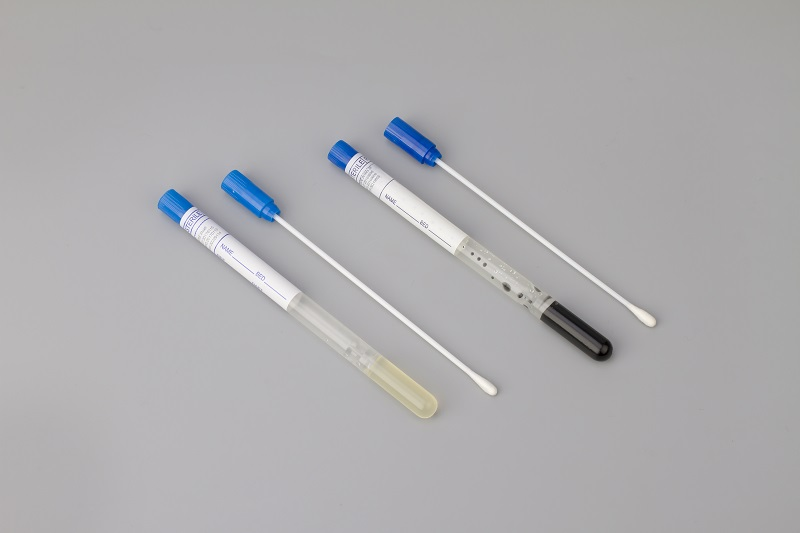
Why Disposable Sampling Swabs Are Essential for Sterile Procedure Integrity
USP 797 and ISO 14644 Compliance: How Single-Use Swabs Eliminate Sterility Breach Risks
Maintaining sterile conditions in compounding pharmacies and cleanrooms demands strict adherence to USP <797> and ISO 14644 standards—both of which require that any item introduced into a classified environment be free of viable microorganisms. Reusable sampling tools pose an unacceptable risk of cross-contamination, even after cleaning and sterilization validation, due to potential residual bioburden or process variability. Disposable sampling swabs eliminate this risk by delivering a pre-sterilized, single-use solution: each swab is individually packaged and typically sterilized via gamma irradiation or ethylene oxide to achieve a sterility assurance level (SAL) of 10⁻⁶. Using a fresh swab for every sample prevents transfer of contaminants between surfaces or products, directly supporting cleanroom certification and reducing the likelihood of sterility breaches that compromise product integrity. Facilities adopting this practice also streamline audit documentation by removing the need to validate cleaning cycles for reusable tools.
CDC Guidance on Material Safety: Preventing Inhibitors and False-Negatives in Microbial Recovery
The CDC explicitly advises that sampling materials must not interfere with microbial recovery or introduce inhibitory substances—critical guidance for wound cultures, environmental monitoring, and sterility testing. Disposable swabs made from inert, synthetic materials such as flocked nylon or medical-grade foam meet this standard by design. Unlike calcium alginate or wooden-shafted swabs, these modern alternatives release no pH-altering compounds or enzyme inhibitors that suppress pathogen growth in culture or disrupt PCR amplification. False negatives caused by such interference can delay clinical treatment, misdirect infection control efforts, or invalidate cleanroom certifications. Selecting CDC-aligned, validated disposable swabs ensures collected organisms remain viable and detectable—preserving the reliability of microbiological data and safeguarding patient safety.
Material Science of Disposable Sampling Swabs: Optimizing Recovery, Compatibility, and Compliance
The material composition of disposable sampling swabs directly influences sample recovery efficiency, assay compatibility, and regulatory adherence. Selecting the appropriate substrate is essential across nasopharyngeal, wound, and environmental applications—where performance differences translate directly into diagnostic accuracy and compliance outcomes.
Flocked vs. Foam vs. Rayon: Efficacy Data for Nasopharyngeal, Wound, and Environmental Specimens
Flocked swabs—featuring vertically aligned nylon fibers—deliver superior absorption and rapid, near-complete release of biological material, making them the gold standard for PCR-based molecular testing and forensic DNA collection. Foam swabs offer high softness and minimal linting, ideal for fragile mucosal surfaces and wound specimens where patient comfort and sample purity are priorities. Rayon swabs remain suitable for general environmental monitoring but demonstrate lower elution efficiency compared to flocked or foam alternatives, particularly in low-bioburden settings where maximum recovery is critical.
Prohibited Materials Alert: Why Calcium Alginate and Wooden Shafts Compromise Sterility and Testing Validity
Calcium alginate swabs are now contraindicated in molecular diagnostics: alginate fibers chelate magnesium ions and inhibit Taq polymerase, causing false-negative PCR results. Wooden shafts present dual risks—they may splinter during use, introducing particulate contamination, and absorb moisture and residues that compromise sterility and chemical compatibility. Regulatory best practices—including those reflected in USP <797>, ISO 14644, and CDC guidance—now mandate synthetic shafts (e.g., polypropylene) and non-inhibitory tip materials (e.g., flocked nylon or polyester foam) to ensure consistent performance, minimize interference, and uphold testing validity.
Application-Specific Validation of Disposable Sampling Swabs Across High-Risk Settings
Cleanroom Environmental Monitoring: Sterile Swab Protocols for ISO Class 5–8 Surfaces
In ISO Class 5–8 cleanrooms, environmental monitoring relies on rigorously controlled surface sampling to detect microbial excursions. Disposable sterile swabs—pre-moistened with neutralizing buffer—are used to sample standardized areas (e.g., 25 cm²) under consistent pressure and technique to ensure reproducible recovery. Flocked swabs are preferred in these low-bioburden environments due to their high elution efficiency and minimal carryover; foam swabs serve well for irregular or sensitive surfaces. Post-collection, swabs are placed directly into sterile transport media and processed within validated time limits. This standardized, single-use workflow supports ISO 14644 compliance, enables accurate microbial enumeration, and strengthens routine monitoring programs without introducing procedural variability.
Sterile Compounding and Aseptic Processing: Swab Selection Criteria per USP <797> and <800>
In sterile compounding (USP <797>) and hazardous drug handling (USP <800>), swab selection must satisfy overlapping but distinct requirements: sterility, non-shedding performance, chemical resistance, and absence of microbial inhibitors. Swabs used for surface residue testing must feature non-shedding tips—flocked nylon or polyester—and plastic (not wood) shafts to prevent particulate generation and chemical leaching. For USP <797>, swabs must be sterile and endotoxin-free; for USP <800>, they must also resist degradation by potent hazardous drugs (e.g., antineoplastics) without compromising integrity or releasing extractables. Validated disposable swabs meeting both criteria ensure reliable cleaning verification, support robust environmental monitoring, and uphold the foundational principles of aseptic processing—protecting both patients and personnel.
FAQ
Why are disposable sampling swabs essential in cleanrooms?
Disposable swabs prevent cross-contamination by being pre-sterilized and single-use, removing the risk associated with reusable tools. They comply with standards like USP 797 and ISO 14644 by ensuring sterility and eliminating bioburden risks.
What materials are recommended for disposable swabs?
Inert, synthetic materials such as flocked nylon or medical-grade foam are recommended. These materials avoid issues like inhibition of microbial recovery or false-negative PCR results, unlike calcium alginate or wooden shafts.
Are flocked swabs better than foam and rayon swabs?
Flocked swabs deliver high absorption and superior sample release, making them ideal for molecular diagnostics. Foam swabs are better for delicate surfaces, while rayon swabs are limited to general monitoring and perform less efficiently in low-bioburden environments.
Why are calcium alginate and wooden shafts no longer used?
Calcium alginate can inhibit PCR reactions, and wooden shafts can splinter or absorb contaminants, compromising sterility and reliability. Best practices now favor synthetic shafts and tips.
How do disposable swabs support ISO and USP compliance?
Disposable swabs are pre-validated for sterility, biocompatibility, and compliance with ISO 14644 and USP 797/800 standards, streamlining operations and ensuring consistent performance in sterile environments.
Table of Contents
-
Why Disposable Sampling Swabs Are Essential for Sterile Procedure Integrity
- USP 797 and ISO 14644 Compliance: How Single-Use Swabs Eliminate Sterility Breach Risks
- CDC Guidance on Material Safety: Preventing Inhibitors and False-Negatives in Microbial Recovery
- Material Science of Disposable Sampling Swabs: Optimizing Recovery, Compatibility, and Compliance
- Application-Specific Validation of Disposable Sampling Swabs Across High-Risk Settings
- FAQ