
 EN
EN
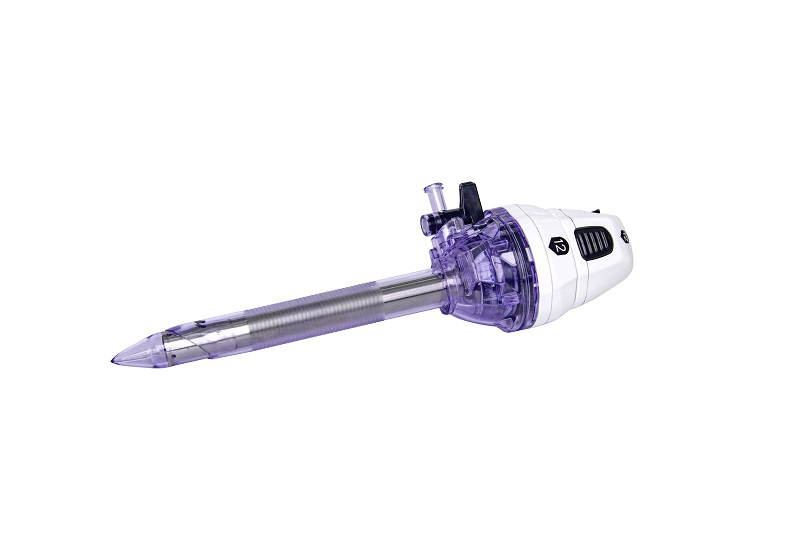
Key Clinical Criteria for Selecting a Disposable Laparoscopic Trocar Set
Selecting an appropriate disposable laparoscopic trocar set requires understanding key clinical factors beyond basic functionality. These criteria guide surgeons toward devices that optimize procedural outcomes while mitigating complication risks through optimized ergonomics, safety, and functionality.
Trocar Diameter and Length: Matching Anatomy and Procedure Complexity
The relationship between patient morphology and operative objectives dictates trocar requirements. Using devices mismatched to abdominal wall thickness increases the likelihood of unintended visceral contact during insertion. Procedures utilizing larger instrumentation demand higher trocar diameters to prevent seal degradation upon instrument passage. Evidence shows procedure-specific sizing preserves tissue integrity and access efficiency. Smaller trocars minimize fascial trauma in pediatric or thin patients—reducing postoperative herniation probabilities.
Tip Design and Safety Mechanisms: Bladeless, Optical, and Shielded Options Compared
Tip engineering balances penetration efficiency with injury avoidance. Bladeless trocar systems rely on blunt dissection instead of cutting edges to decrease vascular injuries by 27% versus traditional designs according to surgical audits. Optical trocars enable real-time visualization during entry, particularly valuable in complex revisions or obese anatomy. Retractable shields provide sequential passive protection: safeguarding abdominal contents early, then retracting for instrument passage. Blended designs increasingly combine these advantages—leading research evaluates reusable versus disposable trocar tradeoffs in trauma rates and cost dynamics.
Seal Integrity and Insufflation Compatibility: Ensuring Stable Pneumoperitoneum
Maintaining consistent pneumoperitoneum avoids compromised visualization and instrumentation precision. Critical attributes include:
- Automatic valve sealing that activates instantaneously upon instrument withdrawal
- Compatibility verification with common insufflation pressures (12–15 mmHg without leakage)
- Prevention of smoke residue accumulation impairing intraoperative camera views
Failure to sustain insufflation translates to prolonged operative times and conversion risks. Leading providers implement dual-channel valves minimizing gas escape during instrument exchanges. Diligent evaluation ensures that disposable products meet these fundamental requirements while aligning with procedural necessities.
Safety Evidence: Complication Rates and Design-Specific Risk Profiles
Visceral and Vascular Injury: Incidence by Trocar Type (SAGES 2022 Registry Data)
Data from the 2022 SAGES registry show that visceral and vascular injuries occur at significantly different rates depending on trocar design. Bladed trocars account for nearly 60% of these complications, whereas bladeless and optical trocars reduce the risk by approximately 40%. In a disposable laparoscopic trocar set, the tip geometry directly affects the force required for entry and the likelihood of uncontrolled puncture. The registry also indicates that shielded bladed trocars still carry a 0.3% injury rate, compared to 0.1% for bladeless designs. These figures highlight the importance of choosing a tip design that minimizes trauma during initial access.
Trocar Site Herniation and Bleeding: Role of Retractable Shields and Fascial Closure Support
Retractable shields lower the risk of trocar site herniation and postoperative bleeding by preventing accidental displacement or over-insertion. Studies show that trocars equipped with automatic shield retraction reduce site herniation rates by 25% compared to fixed-shield designs. Additionally, fascial closure support features—such as integrated suture anchors—simplify the closure step and reduce bleeding-related readmissions. For any disposable laparoscopic trocar set, these safety mechanisms should be verified against clinical evidence to ensure they meet the specific demands of the procedure.
Disposable vs. Reusable Trocars: A Total-Cost and Outcomes-Based Assessment
Upfront Cost vs. Hidden Costs: Sterilization, Failure Rates, and Infection-Related Readmissions
Direct upfront purchase prices for reusable trocars are often lower than single-use equivalents, prompting surgeons to ask "Why disposable laparoscopic trocar sets?" However, ignoring ongoing expenses creates inaccurate budget projections. Sterilization compliance issues stemming from inadequate equipment pose significant risks:
| Cost Component | Reusable Trocars | Disposable Trocars |
|---|---|---|
| Upfront Purchase | Typically 40–60% lower per entry point | Higher per unit cost |
| Sterilization Cycles | Requires validated CSP support (~$500–$750 cost per reprocessing cycle) | Eliminated |
| Staff / Reprocessing Facility | Demands dedicated FTEs, space and validated protocols | Not applicable |
| Sharps Injury Prevention | Cannot match modern shielded disposable designs | Bladeless/shielded options reduce biohazard exposure |
| Infection-Related Readmission | $32k–$45k per case as sterility assurance becomes distributor-dependent | Controlled via sealed sterile packaging |
Operating rooms without accredited sterile processing departments face substantial compliance risks and potential revenue loss from delayed cases. When unintended bio-burden reuse occurs despite proper sterilization, the associated vascular infections or abdominal sepsis carry hospital costs exceeding $32k per event (AORN 2022). Departiculating surfaces in permanently rigid trocars create sharp risks—MedLine data from 2023 shows fractured reusables caused approximately 12% of unintended staff exposure incidents. Vigilant surgeons increasingly prioritize total procedural cost, particularly when lifetime device reprocessing costs approach $740k for complex instrument sets and infection-readmission cases directly compromise patient outcomes.
FAQs
What factors determine the appropriate size of a disposable laparoscopic trocar?
The appropriate size of a disposable laparoscopic trocar is determined by factors such as the patient's anatomy, abdominal wall thickness, and procedural demands. Smaller trocars are suitable for pediatric and thin patients, while larger diameters accommodate devices required for complex procedures.
Why are bladeless trocars considered safer compared to bladed designs?
Bladeless trocars rely on blunt dissection rather than cutting edges, reducing vascular injury risks by 27%. Additionally, they minimize trauma during insertion, making them safer alternatives to traditional bladed designs.
What are the hidden costs associated with reusable trocars?
Hidden costs include expenses for reprocessing equipment, sterilization cycles, staff requirements, infection-related hospital readmissions, and risks of sharps injuries due to fractured reusable trocars. These factors often outweigh the lower upfront purchase price.
How do retractable shields improve trocar site safety?
Retractable shields minimize the risk of trocar site herniation and bleeding by preventing displacement or over-insertion during surgery. They also simplify fascial closure, reducing postoperative complications.
Why might disposable trocars be preferred over reusable ones?
Disposable trocars eliminate sterilization requirements, ensure consistent sterility through sealed packaging, and feature advanced safety mechanisms such as bladeless designs and retractable shields. This reduces infection risks and procedural delays compared to reusable alternatives.
Table of Contents
- Key Clinical Criteria for Selecting a Disposable Laparoscopic Trocar Set
- Safety Evidence: Complication Rates and Design-Specific Risk Profiles
-
Disposable vs. Reusable Trocars: A Total-Cost and Outcomes-Based Assessment
- Upfront Cost vs. Hidden Costs: Sterilization, Failure Rates, and Infection-Related Readmissions
- FAQs
- What factors determine the appropriate size of a disposable laparoscopic trocar?
- Why are bladeless trocars considered safer compared to bladed designs?
- What are the hidden costs associated with reusable trocars?
- How do retractable shields improve trocar site safety?
- Why might disposable trocars be preferred over reusable ones?