
 EN
EN
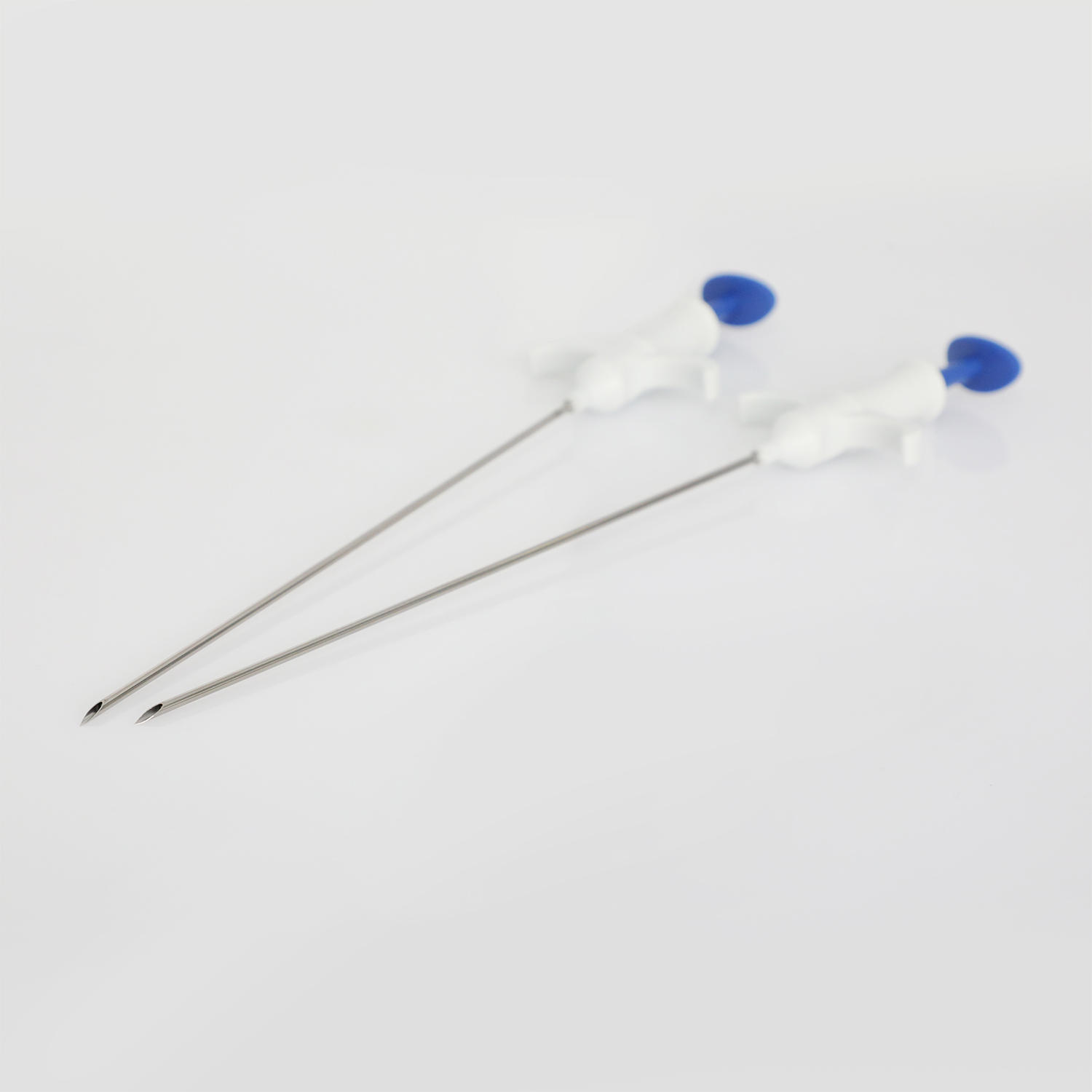
Evidence-Based Sizing: Matching Medical Disposable Laparoscopic Trocar Diameter to Procedure Type
Choosing the correct diameter for a medical disposable laparoscopic trocar is not arbitrary—it directly impacts procedural success and patient safety. The distinction between diagnostic and therapeutic laparoscopy dictates the needed trocar size, as each serves a fundamentally different surgical goal.
Diagnostic vs. therapeutic laparoscopy: Why 5 mm suffices for visualization but 10–12 mm is essential for instrumentation
Diagnostic laparoscopy relies primarily on laparoscopic visualization, making a 5 mm trocar sufficient for camera access. These smaller ports minimize tissue trauma and are ideal for procedures such as diagnostic exploration or simple adhesiolysis. In contrast, therapeutic laparoscopy requires larger working channels to accommodate graspers, scissors, clip appliers, and energy devices. A 10 mm or 12 mm trocar provides the necessary clearance for these instruments, enabling complex tasks like cholecystectomy or hernia repair without compromising maneuverability. Using an undersized trocar increases the risk of instrument damage, gas leakage, and prolonged operative time.
Clinical impact: How standardized 10-mm medical disposable laparoscopic trocar use reduced port-site herniation by 68% in cholecystectomy
A 2022 multicenter study found that consistent use of a 10 mm trocar at the umbilical incision reduced port-site herniation incidence by 68% compared to 12 mm trocars during cholecystectomy. The larger defect created by a 12 mm port correlates with higher hernia risk—particularly when fascial closure is incomplete or omitted. By matching trocar diameter precisely to required instrumentation, surgeons lower complication rates and support faster recovery. This evidence underscores the value of protocol-based sizing over arbitrary selection, reinforcing evidence-based trocar selection as a core element of safe laparoscopic practice.
Specialty-Specific Requirements: Optimizing Medical Disposable Laparoscopic Trocars for General Surgery, Gynaecology, and Urology
Gynaecology: Preference for bladeless, optics-integrated 5-mm trocars to preserve tissue integrity and enhance visualization
Gynaecological laparoscopy prioritizes precision and minimal tissue disruption. Surgeons commonly select bladeless, optics-integrated 5 mm trocars to reduce insertion trauma. The blunt tip separates rather than cuts muscle layers, lowering the risk of vascular injury during entry into the pelvis—a region rich in delicate structures. Integrated optics eliminate the need for a separate camera port, improving visualization while preserving tissue integrity. This design supports diagnostic procedures, ovarian cystectomy, tubal ligation, and endometriosis excision, leaving smaller incisions and contributing to improved cosmetic outcomes and reduced port-site bleeding. These features align with minimally invasive principles, emphasizing patient safety and operative efficiency.
Urology and general surgery: Demand for 12-mm reinforced cannulas supporting morcellation, energy devices, and specimen extraction
Urological and general surgical procedures often require robust access for morcellation, advanced energy devices, and specimen extraction. A 12 mm reinforced cannula meets these demands by accommodating morcellators, large retrieval pouches, staplers, and mesh delivery systems. During nephrectomy or prostatectomy, for example, the larger diameter enables reliable passage of bulky tissue without compromising pneumoperitoneum. Reinforced designs resist buckling under torque from powered instruments and typically incorporate dual-seal mechanisms to maintain insufflation integrity during frequent instrument exchanges. This versatility reduces the need for multiple port sizes, streamlining OR setup and supporting complex, multi-instrument workflows.
Surgeon-Centered Performance: Ergonomics, Seal Integrity, and Insertion Reliability in Disposable Trocars
Ergonomic design reduces hand fatigue: Dual-angle handles and low-insertion-force mechanisms improve procedural endurance
Prolonged laparoscopic procedures place repetitive strain on surgeons’ hands and wrists, increasing fatigue-related error risk. Modern disposable trocars address this with dual-angle handle geometry that accommodates natural grip positions and reduces peak muscle activation. Combined with low-insertion-force mechanisms—achieved through precision-ground blade tips or bladeless dilating tips—the required axial load drops significantly. Clinical feedback confirms these features help surgeons maintain steady control and procedural precision during extended operations.
Dual-seal systems cut insufflation leak by >90%—validated against ISO 8536-4 for consistent pneumoperitoneum
Stable pneumoperitoneum depends on minimizing gas leakage through the instrument port. Dual-seal systems—comprising an upper sealing gasket and a lower duckbill valve—create a redundant, adaptive barrier that maintains seal integrity across varying instrument diameters. Testing per ISO 8536-4 demonstrates these systems reduce insufflation leakage by more than 90% versus single-seal alternatives. The result is fewer re-insufflation events, shorter operative times, and more consistent intra-abdominal pressure throughout the procedure.
Infection Control and Safety Advantages of Single-Use Medical Disposable Laparoscopic Trocars
Single-use disposable trocars provide a critical safeguard against healthcare-associated infections (HAIs). Unlike reusable instruments—which depend on rigorous cleaning, sterilization, and validation—each disposable trocar arrives sterile and is discarded after one use. This eliminates cross-contamination risk from inadequate reprocessing, a documented contributor to surgical site infections. For vulnerable patients and procedures with elevated infection risk, the sterility assurance of single-use design is clinically decisive. It also simplifies OR logistics by removing reprocessing steps, allowing surgical teams to focus fully on patient care.
Frequently Asked Questions
What is the purpose of using different trocar diameters?
The diameter of laparoscopic trocars depends on the surgical procedure type. Smaller diameters, like 5 mm, are used for diagnostic purposes as they minimize tissue trauma. Larger diameters, like 10–12 mm, are necessary for therapeutic procedures requiring instruments such as graspers, scissors, and staplers.
How do single-use disposable trocars prevent infections?
Single-use disposable trocars arrive sterile and are discarded after one use, eliminating the risk of cross-contamination and healthcare-associated infections that may occur with improperly cleaned reusable instruments.
What are the benefits of dual-seal systems in trocars?
Dual-seal systems reduce gas leakage by more than 90% compared to single-seal systems, helping maintain stable pneumoperitoneum and reducing operative time.
Why is ergonomic design important in laparoscopic trocars?
Ergonomic design minimizes hand and wrist fatigue during prolonged surgeries, reducing error risks and improving surgical precision.
What are specialty-specific requirements for trocar features?
Gynaecology often favors 5-mm bladeless, optics-integrated trocars to preserve tissue integrity. Urology, on the other hand, requires reinforced 12-mm cannulas for morcellation and specimen extraction.
Table of Contents
- Evidence-Based Sizing: Matching Medical Disposable Laparoscopic Trocar Diameter to Procedure Type
- Specialty-Specific Requirements: Optimizing Medical Disposable Laparoscopic Trocars for General Surgery, Gynaecology, and Urology
- Surgeon-Centered Performance: Ergonomics, Seal Integrity, and Insertion Reliability in Disposable Trocars
-
Infection Control and Safety Advantages of Single-Use Medical Disposable Laparoscopic Trocars
- Frequently Asked Questions
- What is the purpose of using different trocar diameters?
- How do single-use disposable trocars prevent infections?
- What are the benefits of dual-seal systems in trocars?
- Why is ergonomic design important in laparoscopic trocars?
- What are specialty-specific requirements for trocar features?