
 EN
EN
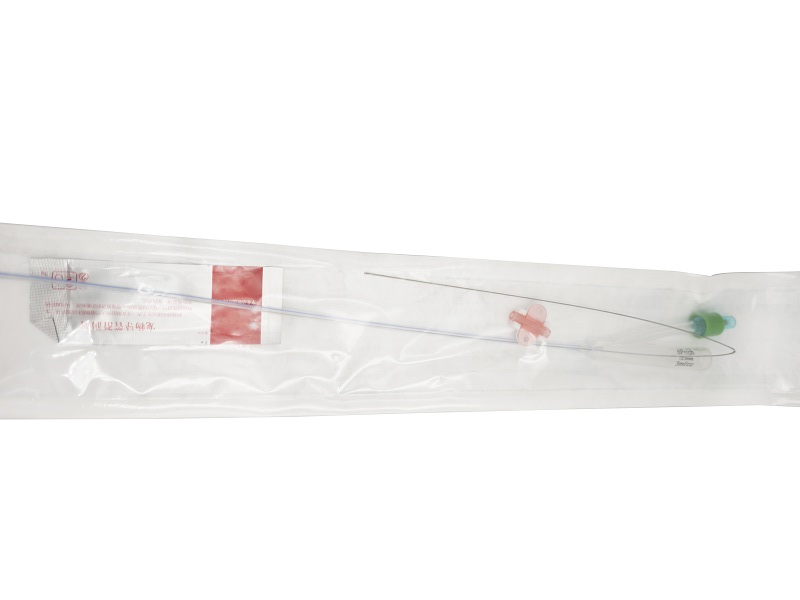
Superior Biocompatibility and Lower UTI Risk with Silicone Urinary Catheters
How Silicone’s Inert Surface Inhibits Biofilm Formation
Silicone’s molecular stability creates a non-reactive, hydrophobic surface that actively resists bacterial adhesion—the critical first step in biofilm development. Unlike porous materials such as latex or PVC, silicone prevents urine proteins and minerals from binding, denying pathogens the footholds needed to anchor, proliferate, and secrete extracellular polymeric substances. Its resistance to surface degradation maintains consistent smoothness over time, further limiting microbial colonization. This passive defense directly reduces infection pathways in catheterized patients.
Clinical Evidence: 32% Reduction in CAUTIs vs. Latex in ICU Patients
A recent multicenter ICU study found silicone urinary catheters reduced Catheter-Associated Urinary Tract Infections (CAUTIs) by 32% compared to latex—driven by both superior biofilm resistance and elimination of latex-induced urethral inflammation. For critically ill patients, this translates into measurable clinical impact: every 10% reduction in CAUTIs correlates with shorter average hospital stays and decreased antibiotic utilization, per peer-reviewed analyses published in Infection Control & Hospital Epidemiology.
Longer Functional Lifespan and Cost Efficiency in Hospital Settings
Reduced Encrustation Due to Hydrophobic Stability and Mineral Resistance
Silicone’s hydrophobic nature significantly impedes mineral deposition—including calcium phosphate and struvite crystals—that commonly encrust latex and PVC catheters. Clinical data shows a 32% reduction in encrustation rates with silicone, preserving lumen patency and stable urinary flow during standard indwelling periods. Its chemical inertness ensures structural integrity even under prolonged exposure to urinary salts and organic compounds, minimizing flow obstruction and unplanned interventions.
Lower Replacement Frequency Cuts Labor, Supply Costs, and Care Disruption
Silicone catheters require approximately 40% fewer replacements in acute care settings, yielding broad operational benefits: reduced nursing labor for insertion, lower supply chain expenditures, decreased clinical waste, and less patient discomfort or procedural infection risk. Hospitals adopting standardized silicone protocols report annual savings exceeding $740,000 (Ponemon Institute, 2023), including a 28% drop in catheter-related supply costs, 19% reduction in nursing time allocated to catheter management, and 34% fewer complications requiring clinical intervention. These efficiencies support faster bed turnover and strengthen financial sustainability in high-acuity environments.
Hypoallergenic Safety for High-Risk and Long-Term Hospital Patients
Latex allergy affects up to 6% of the general population and as many as 15% of healthcare workers—making non-latex alternatives essential for safe, uninterrupted care. Silicone urinary catheters eliminate the risk of IgE-mediated (Type I) hypersensitivity reactions entirely. This is especially critical for high-risk groups, including patients with spina bifida, recurrent catheterization needs, or atopic histories, who face elevated risks of contact dermatitis, urticaria, or anaphylaxis with latex devices. Because silicone does not leach allergens—even after extended dwell times—it sustains tissue compatibility and minimizes chronic urethral irritation. By removing the allergen trigger proactively, hospitals avoid costly allergy evaluations, emergency interventions, and device-related care disruptions—solidifying silicone as the standard of care for immunocompromised and long-term catheterized patients.
Advanced Infection Control: Silver-Alloy-Coated Silicone Urinary Catheters
FDA-Cleared Antimicrobial Technology Meets Joint Commission Standards
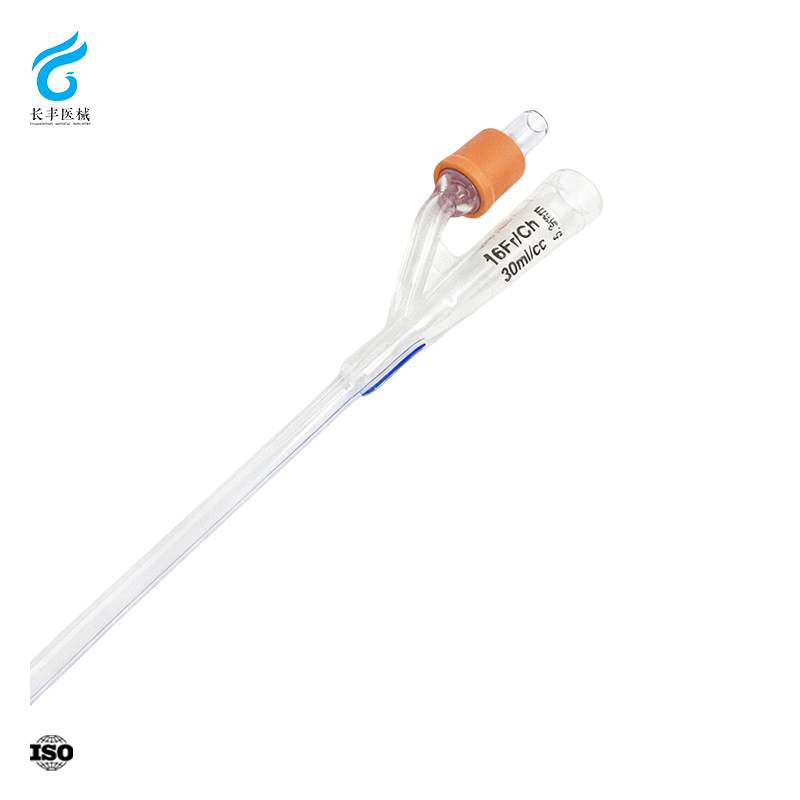
Silver-alloy-coated silicone catheters combine material biocompatibility with clinically validated antimicrobial action. The FDA-cleared coating releases silver ions that disrupt bacterial cell membranes and inhibit early-stage biofilm formation—providing proactive protection without compromising silicone’s inert surface. This dual-mechanism approach aligns with Joint Commission National Patient Safety Goals for preventing hospital-acquired infections and supports evidence-based CAUTI reduction strategies. The coating remains effective throughout typical dwell times, offering continuous, non-leaching antimicrobial activity while preserving the safety profile clinicians rely on for vulnerable populations.
FAQ
Why are silicone urinary catheters more biocompatible than other materials?
Silicone’s molecular stability and non-reactive surface reduce the risk of bacterial adhesion and biofilm formation, crucial factors in improving biocompatibility and preventing infections.
How do silicone catheters reduce Catheter-Associated Urinary Tract Infections (CAUTIs)?
They inhibit biofilm formation thanks to their hydrophobic properties and eliminate inflammation risks associated with latex materials.
What are the cost benefits of using silicone catheters?
Silicone catheters require fewer replacements, reduce labor and supply costs, and result in fewer complications and clinical interventions, leading to substantial cost savings for hospitals.
Is silicone a safer material for patients with latex allergies?
Yes, silicone does not leach allergens and eliminates the risk of IgE-mediated hypersensitivity reactions, making it a safe alternative for patients with latex allergies.
What is the advantage of silver-alloy-coated silicone catheters?
These catheters provide dual benefits: antimicrobial protection through silver ion release and the biocompatibility of silicone, aligning with infection-prevention standards.