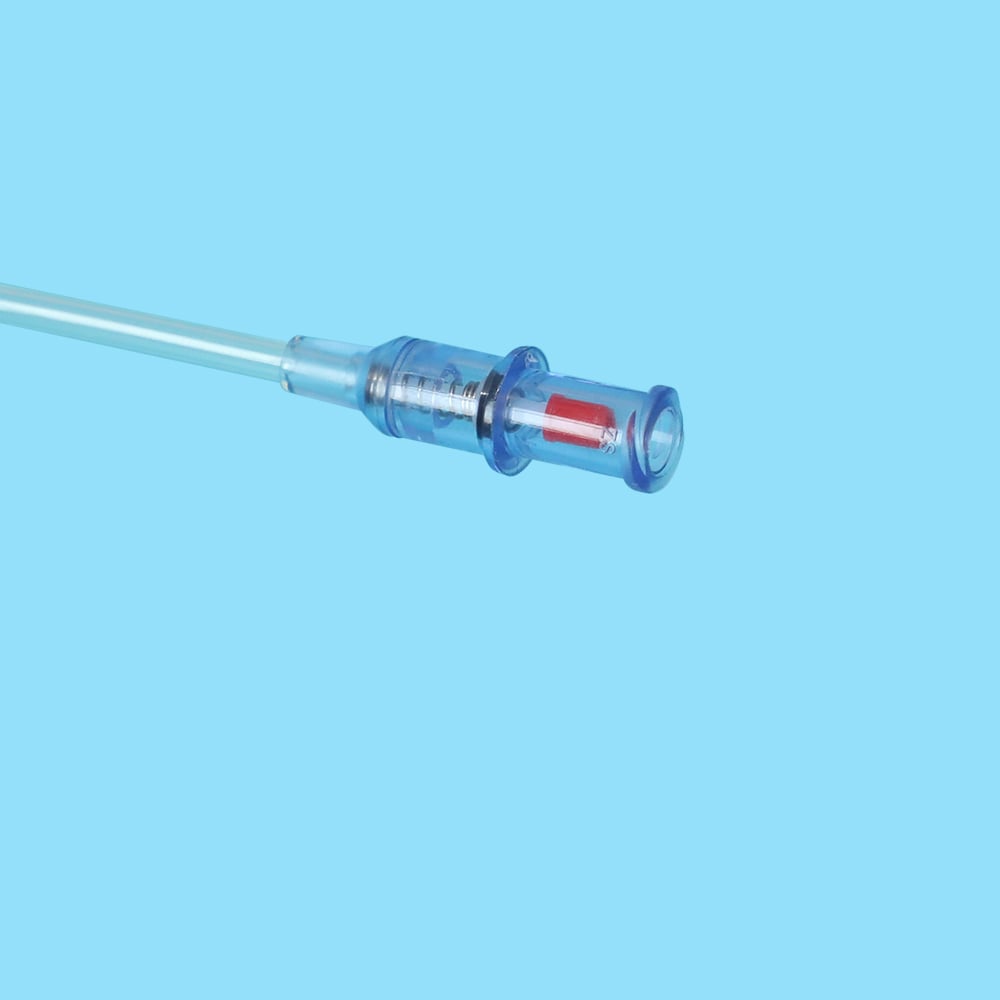
Specification:
Specification |
Length of airbag pad |
Length of tourniquet |
Width of tourniquet |
Airbag cushion length |
WPRA |
55 |
245 |
42 |
42 |
WPRB |
70 |
240 |
30 |
45 |
Feature:
1. Quick targeted hemostasis to reduce postoperative recovery time of patients.
2. Reduce many serious complications caused by the high pressure method.
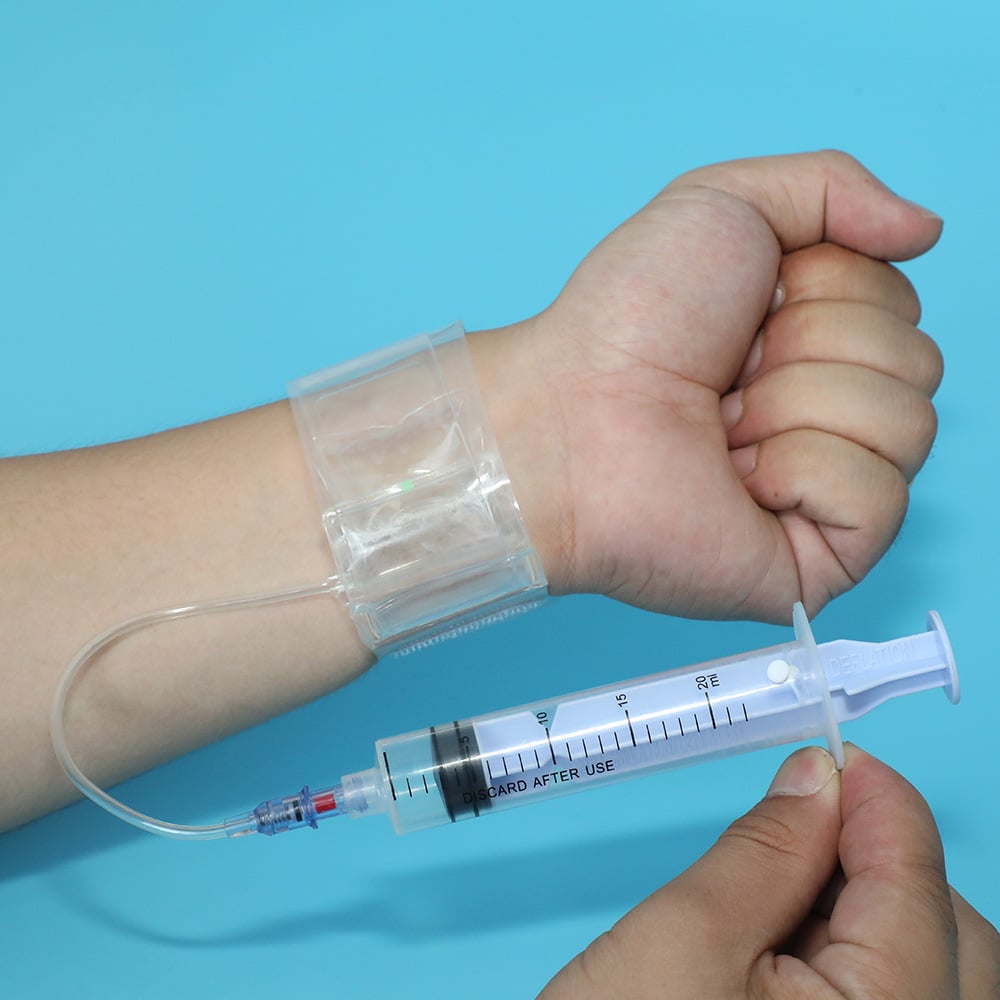
3. Humanized structural design is in line with the physiology of vascular dissection at the puncture site of the radial artery of the forearm, to ensure normal ulnar artery blood flow, and easy to fix, without displacement.
4.Air bag elastic pressure belt can be adjusted, easy to operate, can meet the patient's comfort requirements to the greatest extent, easy to nursing observation.
Discription:
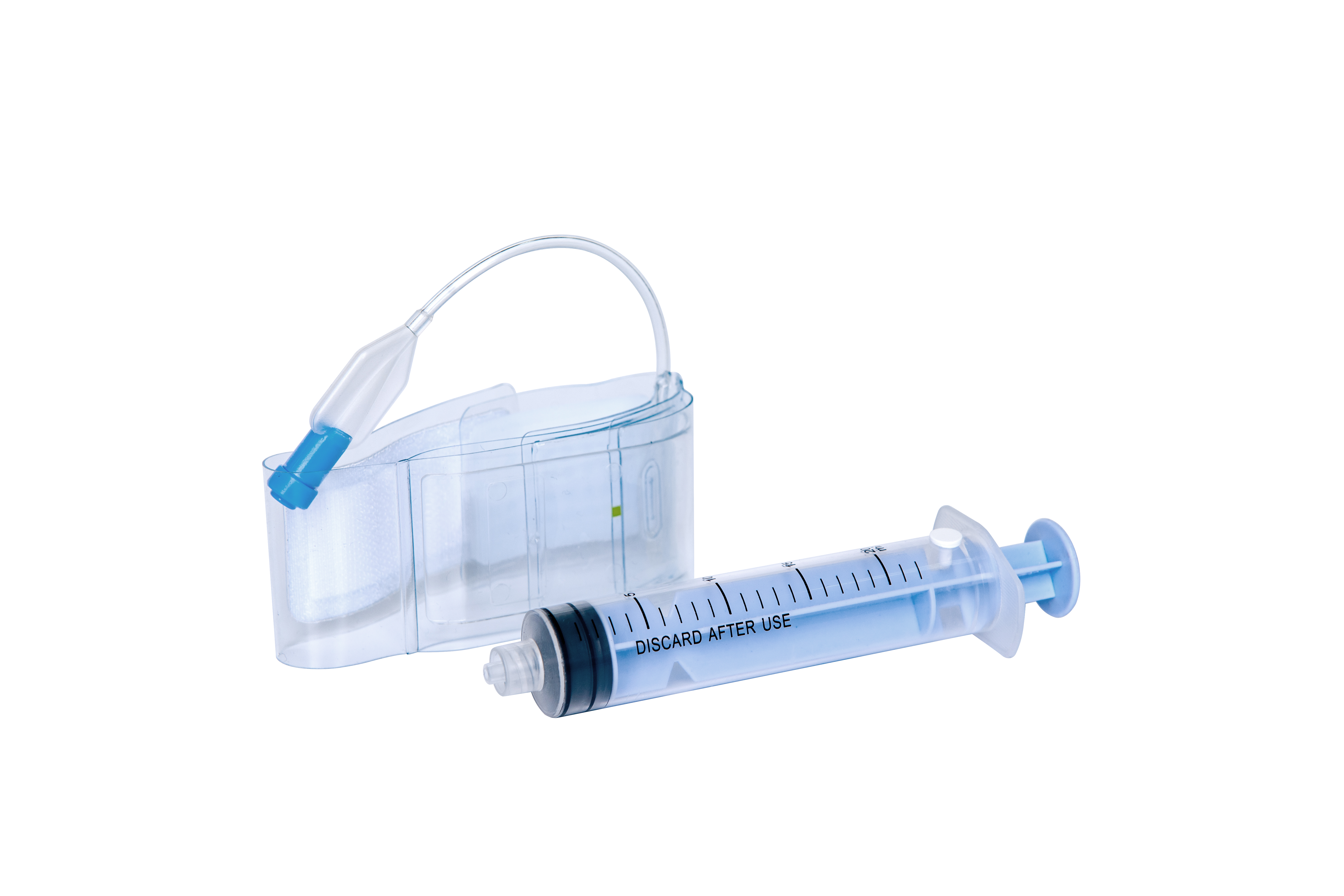
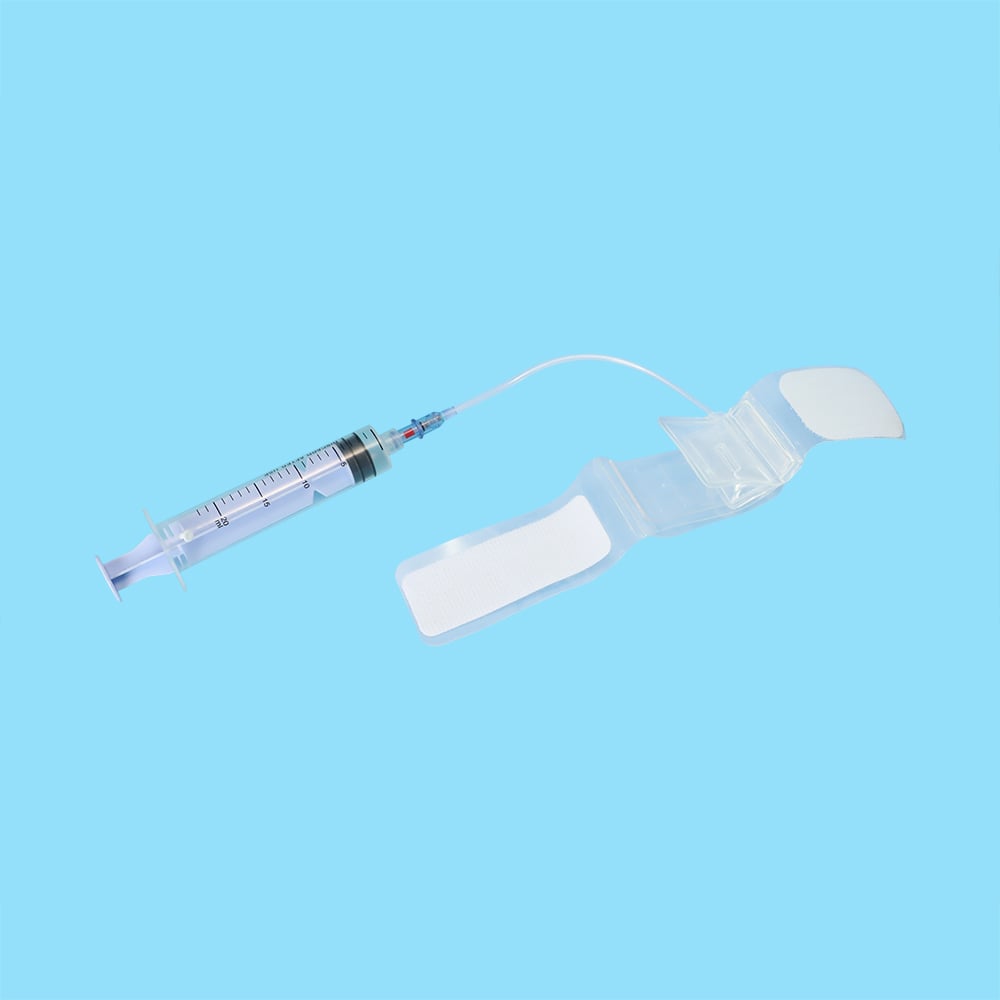
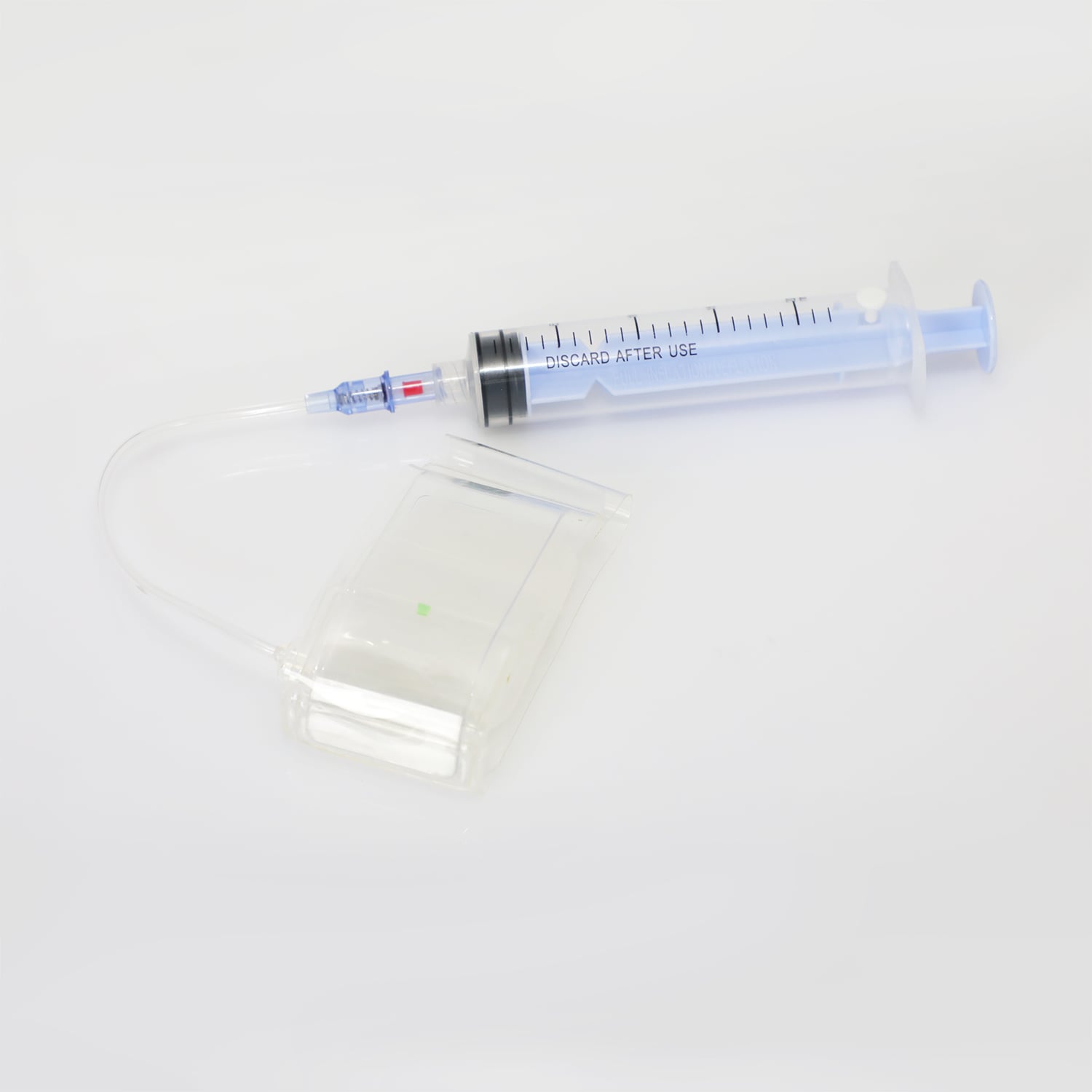
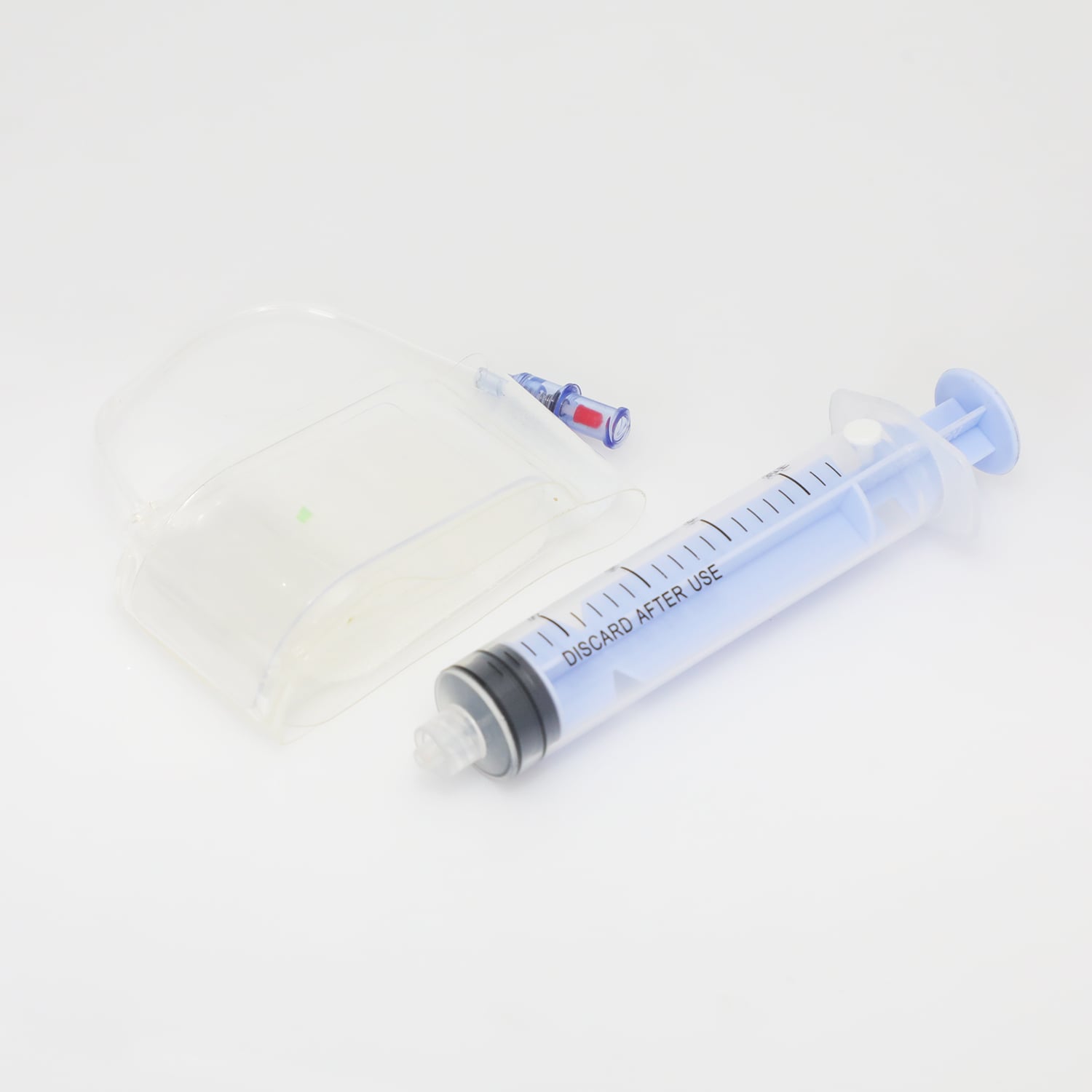
This Radial Artery Compression Device is a professional medical tool designed for hemostasis after radial artery puncture and interventional surgery, available in WPRA and WPRB two models with differentiated specifications to meet diverse clinical needs. WPRA is equipped with a 55mm airbag pad retaining belt, 245mm tourniquet of 42mm width and 42mm airbag cushion; WPRB features a 70mm airbag pad retaining belt, 240mm tourniquet of 30mm width and 45mm airbag cushion, realizing targeted hemostasis for different patient groups.
The device adopts a humanized airbag compression design, which can adjust the compression force flexibly according to clinical needs, ensuring effective hemostasis while avoiding excessive pressure that may cause local tissue ischemia and injury. Its lightweight and compact structure is easy to operate, enabling medical staff to complete the wearing and adjustment quickly, and the fixed tourniquet ensures stable positioning without slipping during the hemostasis period.
Made of skin-friendly and breathable medical materials, it improves patient comfort during long-term wearing and reduces the risk of skin irritation. As a non-invasive hemostasis solution, it effectively shortens the postoperative hemostasis time and reduces the incidence of complications such as hematoma and pseudoaneurysm, which is widely applicable to cardiovascular interventional surgery, blood sample collection and other scenarios requiring radial artery hemostasis.

 EN
EN