
 EN
EN
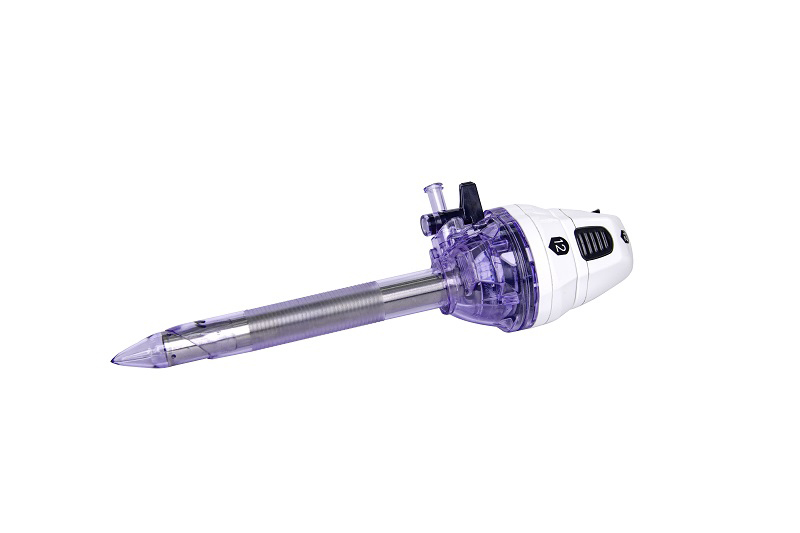
အဓိက ကလီနစ်လုပ်ဆောင်ချက် - လုံခြုံသော ဗိုက်သို့ ဝင်ရောက်မှုကို ဖော်ဆောင်ပေးခြင်းနှင့် ယုံကြည်စိတ်ချရသော ပေါင်းဖော်ထားသော ဗိုက်အတွင်း လေဖြည့်ခြင်း
လုံခြုံစေရေးအတွက် ဝင်ရောက်မှု၏ ယန္တရားမှု - ထရောကာဒီဇိုင်းသည် အစပိုင်းတွင် ဖက်စီယာကို ထိုးဖောက်ခြင်းနှင့် အစောင်းအထဲရှိ အစိတ်အပိုင်းများကို ကာကွယ်ပေးခြင်းတွင် မည်သို့ အကျိုးသက်ရောက်မှုရှိသည်
အသုံးပြီးသော လက်တွေ့စမ်းသပ်မှုအတွက် အသုံးပြုသည့် လက်ပရိုစကောပစ် ထရောကာများသည် ဗုံမှုန်ပုံစံရှိသည့် အထူးဒီဇိုင်းထုတ်ထားသည့် ဓားများဖြင့် ပေးဆောင်လာကြသည်။ ဤဓားများသည် ဗုံခေါင်းနှင့် အစာအိမ်နံရံကို ဖောက်ထုတ်သည့်အခါ ဖိအားကို ပိုမိုတောင်းဆောင်စေပါသည်။ ဤသည်များသည် ယခင်က အသုံးပြုသည့် ဓားများနှင့် နှိုင်းယှဉ်ပါက မျှော်လင့်မထားသည့် အသားစုများ ပေါက်ထွက်ခြင်းကို ၃၀% ခန့် လျော့နည်းစေပါသည်။ ဤကိရိယာများတွင် ဗုံခေါင်းအတွင်းသို့ ဝင်ရောက်ပြီးနောက် အလိုအလျောက် ဖွင့်လောက်သည့် လုံခြုံရေး အကာအရံများလည်း ပါဝင်ပါသည်။ ထိုအကာအရံများသည် ထက်မှုန်သည့် အစိတ်အပိုင်းများနှင့် အတွင်းအစိတ်အပိုင်းများကို ကာကွယ်ပေးသည့် ကာကွယ်ရေးအလွှာတစ်ခုကို ဖန်တီးပေးပါသည်။ ဤအရေးကြီးသည့် အဆင့်တွင် အစာအိမ်အတွင်းရှိ အူများ သို့မဟုတ် သွေးကြောများကို မတော်တဆ ထိခိုက်မှုများကို အုပ်ချုပ်သူများ စိုးရိမ်စရာမလိုတော့ပါ။ အချို့သည် ထရောကာကို ထည့်သွင်းသည့်အခါ မျက်နှာပြင်အောက်တွင် ဖြစ်ပေါ်နေသည့် အခြေအနေများကို တိကျစွာ မြင်နိုင်ရန် အသေးစား ကင်မရာများကို အတွင်းပိုင်းတွင် တပ်ဆင်ထားပါသည်။ ဤအားလုံးသည် လက်ပရိုစကောပစ် အစာအိမ်ခွင်ဖောက်ခြင်း အဆင့်တွင် အခက်အခဲအများဆုံး အချိန်တစ်ခုကို အာရုံစိုက်ပါသည်။
ပြည့်စောင်းသည့် ဗုံခေါင်းအတွင်း လေဖြင့် ဖောင်းပေးခြင်း အောင်မှုနှုန်းများ – အသုံးပြီးသော ထရောကာအမျိုးအစားများနှင့် အောင်မှုနှုန်းနိမ့်ခြင်း (၀.၄% နှင့် ၂.၁%) ကြား သက်သေပေးသည့် အထောက်အထားများ
ပန်းသီးပုံအူပ်ချောင်း (pneumoperitoneum) ၏ ယုံကြည်စိတ်ချရမှုသည် အသုံးပြီးသော ထရောကာများ (disposable trocars) ဖြင့် အဆင်ပေါင်းသော အားသော်လည်း သူတို့၏ ကာဗွန်ဒိုင်အောက်ဆိုဒ် (CO2) အပိတ်အနေဖဲ့မှုကို ထိန်းသိမ်းရန် ဒီဇိုင်းထုတ်ထားသော ပေါလီမာ ဂက်စကက်စနစ်များကြောင့် သိသိသာသာ ကောင်းမောင်းပါသည်။ သုတေသနများအရ ဤအသုံးပြီးသော ထရောကာများသည် ၀.၄ ရှုံးနောက်ဆုံးနှုန်းရှိပြီး ပုံမှန်အားဖြင့် ပြန်လည်အသုံးပြုနိုင်သော ထရောကာများ (reusable options) တွင် ၂.၁% ရှိသည့် အမှားအမှန်နှုန်းထက် ငါးဆခန့် ပိုမောင်းမောင်းကောင်းမောင်းပါသည်။ ဘာကြောင့် ဤသို့ဖြစ်ရသနည်း။ အဖြစ်မှာ စံသတ်မှတ်ထားသော ထုတ်လုပ်မှုလုပ်ငန်းစဉ်များနှင့် ပြန်လည်အသုံးပြုနိုင်သော ထရောကာများတွင် အကြိမ်ပေါင်းများစွာ ပိုမိုသန့်ရှင်းရေးလုပ်ခြင်း (sterilization) ပြုလုပ်ပြီးနောက် ပစ္စည်းများ ပုံပေါ်လာသည့် အစွန်းဖြစ်မှု (wear out) မရှိခြင်းကြောင့် ဖြစ်ပါသည်။ အော်ပ်ရေးတာများသည် ဗိုက်အတွင်းရှိ ဖိအားကို စိတ်ချစွာ မှီခိုနိုင်ပါက အော်ပ်ရေးရှိ နေရာကို ပိုမိုရှင်းလင်းစွာ မြင်နိုင်ပြီး လုပ်ထုံးလုပ်နည်းများအတွင်း အနောက်တံခါးများ နည်းပါသည်။ ဤဖိအားတည်ငြိမ်မှုသည် လုပ်ထုံးလုပ်နည်းများကို ပိုမိုချောမွေ့စွာ လုပ်ဆောင်နိုင်စေပြီး အနည်းငယ်သေးငယ်သော လုပ်ထုံးလုပ်နည်းများ (minimally invasive surgeries) ကို လုပ်ဆောင်နေစဥ် လူနောက်ခံများကို ပိုမိုလုံခြုံစေပါသည်။
လူသားအချက်များကို ဖျောက်ပေးခြင်း – ဆေးဘက်ဆိုင်ရာ အသုံးပြီးသော လက်ပါရောစကိုပ်စ် ထရောကာများသည် သန့်ရှင်းရေး၊ စစ်ဆေးရေးနှင့် ပိုမိုသန့်ရှင်းရေးလုပ်ခြင်း (sterilization) တွင် ဖြစ်ပေါ်လာသော အပေါ်အောက်မှုများကို ဖျောက်ပေးပါသည်။
တစ်ခါသုံး laparoscopic trocars တွေဟာ ပြန်လည်ပြုပြင်မှုမှာ မှန်းဆမှုအားလုံးကို ဖယ်ရှားပေးတယ်၊ အကြောင်းက လက်နဲ့ကိုင်တွယ်ဖို့ လုံးဝ မလိုလို့ပါ။ တစ်ယောက်ယောက်က ဒါတွေကို ကောင်းကောင်းသန့်ရှင်း၊ အပျက်အစီးရှိမရှိ အမြင်ပိုင်း စစ်ဆေး၊ ဒါမှမဟုတ် မျိုးစပ်မှုကို မှန်ကန်စွာ လုပ်ခဲ့လားလို့ စိုးရိမ်စရာမလိုတော့ဘူး။ ဒီတစ်ကြိမ်သုံး ကိရိယာတွေဟာ စက်ရုံကနေ တိုက်ရိုက် လာပြီး စတီးရီးယားဖြစ်ပြီး မှန်ကန်တဲ့ မျိုးပွားမှုမရှိမှု အာမခံချက်နဲ့ တင်းကျပ်စွာ ပိတ်ထားတယ်။ ဒါက သန့်ရှင်းမှုအတွင်းမှာ လွတ်သွားနိုင်တဲ့ ကျန်နေတဲ့ တစ်ရှူး အပိုင်းတွေလို ပြဿနာတွေကို လျှော့ချပေးတယ်၊ ပကတိမျက်လုံးနဲ့ မမြင်နိုင်တဲ့ သေးငယ်တဲ့ အက်ကြောင်းတွေ၊ ဒါမှမဟုတ် ဆေးရုံမှတ်တမ်းတွေအရ တစ်ရာပတ်လည်မှာ တစ်ခါလောက် ဖြစ်ပျက်တဲ့ တစ်ခါတစ်လေ autoclave ပျက်ကွက်မှုတွေပေါ့။ ဆေးရုံတွေ ဒီတစ်ကြိမ်သုံး ပစ္စည်းတွေဆီ ပြောင်းတဲ့အခါ အများစုက ညစ်ညမ်းမှု ပြဿနာ ၉၇% နီးပါး ကျဆင်းသွားတာ တွေ့တယ်လို့ အစီရင်ခံတယ်။ လက်တွေ့မှာ ဆိုလိုတာက ရှုပ်ထွေးတဲ့ ပရိုတိုကောလ်တွေရဲ့ အဆင့်တိုင်းကို မှတ်မိဖို့ (သို့) မတူညီတဲ့ အဆောက်အအုံတွေအကြားမှာ မညီမျှတဲ့ စက်ပစ္စည်း စွမ်းဆောင်မှုတွေနဲ့ ကိုင်တွယ်ဖို့ ဝန်ထမ်းတွေကို အားကိုးစရာမလိုပဲ တစ်လျှောက်လုံးမှာ တစ်သမတ်တည်း မျိုးစေ့ကင်းစင်မှုပါ။
လုပ်ငန်းဆောင်တွင် ကောင်းမွန်မှုရရှိခြင်း - ၎င်းသည် အော်ပရေရှင်များ၏ ထိရောက်မှု၊ စံနှုန်းတူညီမှုနှင့် အော်ပရေရှင်များ၏ အတွေ့အကြုံကို မြင့်တင်ပေးပါသည်
လက်ခံအသုံးပြုမှု အလားအလာ - မြင့်မားသော လုပ်ငန်းပမာဏရှိသော MIS ဗဟိုများ၏ ၇၈% သည် ဆေးဘက်ဆိုင်ရာ အသုံးပြုပြီး စွန့်ပစ်ရမည့် လက်ပရောစကိုပစ် ထရောက်များကို စံနှုန်းတူညီစေရန် သတ်မှတ်ထားပါသည် (၂၀၂၄ ခုနှစ် SAGES စစ်တမ်း)
၂၀၂၄ ခုနှစ်တွင် SAGES မှ ပြုလုပ်သော မကြာသေးမီကုန်းတွင် ပြုလုပ်သော စစ်တမ်းအရ အဓိက အနည်းဆုံး ထိခိုက်မှုရှိသော အစွမ်းသော အစွမ်းသော ခွဲစိတ်မှု ဗဟိုများ၏ ၇၈ ရှိသည့် အချို့သော ဗဟိုများသည် လာပါရိုစကိုပီ တော်ကာ (laparoscopic trocars) များကို အသုံးပြုပြီး စွမ်းဆောင်ရည်မှု အများဆုံး ရွေးချယ်မှုအဖြစ် အသုံးပြုလာကြသည်။ ဤပြောင်းလဲမှုကို ဘာက မောင်းနှင်နေသနည်း။ ရှင်းလင်းစွာပြောရလျှင် လူနေမှုအတွက် လုံခြုံရေးနှင့် အော်ပ်ရေးရုမ်းများတွင် နေ့စဉ် ယုံကြည်စိတ်ချရမှုကို မျှတစွာ ထိန်းသိမ်းရေး ဖြစ်သည်။ ဆေးရုံများသည် စံသတ်မှတ်ထားသော အသုံးပြီးသော ပစ္စည်းများကို အသုံးပြုခြင်းဖြင့် ပုံပေါ်နေသော ကိရိယာများ၊ ပြန်လည် ပြုပြင်မှု ရလဒ်များ မသေချာမှုများ သို့မဟုတ် အရှိန်များ မှန်ကန်စွာ မထွက်နေသော ဓားများကြောင့် ဖြစ်ပေါ်လာသော ပြဿနာများကို ရှောင်ရှားနိုင်သည်။ ဆရာဝန်များသည် ခွဲစိတ်မှုအတွင်း ပိုမိုကောင်းမွန်သော ရလဒ်များကို တကယ်တမ်း သတိပြုမိကြသည်၊ အထူးသဖြင့် ဗိုက်အတွင်း ဖိအားကို မှန်ကန်စွာ ထိန်းသိမ်းရေး အရေးကြီးသော ခွဲစိတ်မှုအစိတ်အပိုင်းများတွင် ဖြစ်သည်။ ထို့အပြင် ခွဲစိတ်မှုအတွင်း အလုပ်လုပ်မှု အပ်နှက်မှုများ လျော့နည်းလာသည်၊ အကြောင်းမှာ ကိရိယာများ ပျက်စေသည့် အချိန်များတွင် အလုပ်လုပ်မှုကို ရပ်တန့်စေရန် သို့မဟုတ် ပစ္စည်းများကို မှန်ကန်စွာ သန့်စင်ရန် စောင်းနေရသည့် အချိန်များ မရှိတော့သောကြောင့် ဖြစ်သည်။
အချိန်ခြောက်ခြောက်မှုနှင့် အလုပ်လုပ်မှု စီစဥ်မှု ပေါင်းစပ်မှု – ကြိုတင် သန့်စင်ထားသော တော်ကာများသည် တစ်ခုချင်းစီ အတွက် စီစဥ်မှုအချိန်ကို ၄.၃ မိနစ် လျော့နည်းစေသည်
အသုံးပြီးသား လက်ဝါးကပ်တ်များ (disposable laparoscopic trocars) များကို အရင်ပဲ စတီရီလိုက်စ်လုပ်ထားပြီးဖြစ်ပြီး ခေတ်မီသော လိုအပ်သည့်အချိန်တွင် ပေးပို့ရေးစနစ်များ (just-in-time supply systems) နှင့် ကောင်းစွာကိုက်ညီပါသည်။ ဤလက်ဝါးကပ်တ်များသည် စွမ်းအားပေးသော လုပ်ဆောင်မှုအခန်း (operating room) သို့ အသုံးပြုနိုင်ရန် အဆင်သင့်ဖြင့် ရောက်ရှိလာပြီး လိုအပ်သော ခြေရာခံမှုအချက်အလက်များနှင့် စတီရီလိုက်စ်လုပ်ထားကြောင်း အထောက်အထားများ အားလုံးပါဝင်ပါသည်။ သုတေသနများအရ ဤအသုံးပြီးသား လက်ဝါးကပ်တ်များသည် အသုံးပြီးပြီးမှ ပြန်လည်သန့်စင်ရန် လိုအပ်သော အဟောင်းလက်ဝါးကပ်တ်များနှင့် နှိုင်းယှဉ်ပါက လုပ်ထားရန် အချိန်ကို တစ်ခုလျှင် ၄ မိနစ်ခန့် လျော့ချပေးနိုင်ပါသည်။ တစ်နေ့တွင် အောင်မြင်စွာ အစဉ်တုပ်ချိတ် ၁၀ ကြိမ် လုပ်ဆောင်ရမည့် အချိန်များတွင် ဤအချိန်ခြောက်မှုများသည် အလွန်မြန်မြန် စုစည်းလာပါသည်။ အချိန်ခြောက်မှုများ ဖြစ်ပေါ်လာခြင်းမှာ စတီရီလိုက်စ်လုပ်ရန် စောင်းနေရသည့် အချိန်များ မရှိတော့ခြင်းကြောင့်ဖြစ်ပြီး လက်ကိုင်ခြင်းအဆင့်များ လျော့နည်းသောကြောင့် ညစ်ညမ်းမှု သို့မဟုတ် လုပ်ငန်းစဉ် အဟောင်းအထွေးများ ဖြစ်ပေါ်လာနိုင်ခြင်း အလားအလာများ လျော့နည်းသောကြောင့်ဖြစ်ပါသည်။ အေးစေးသော မှုန်းမှုအချိန်များကို လက်ကိုင်ကိရိယာများ အသုံးပြုရန် ပြင်ဆင်ရန်အတွက် အသုံးပြုခြင်းမှ လွတ်မြောက်သောအခါ အဖွဲ့ဝင်များသည် လူနာများ၏ မှတ်တမ်းများ ပြန်လည်သုံးသပ်ခြင်း၊ အနေသီဇီယောလောဂီသမ်များနှင့် ညှိနှိုင်းခြင်းနှင့် အေးစေးသော မှုန်းမှုများ မတိုင်မှ လူနာများနှင့် အရည်အသွေးမြင့် အချိန်များ ကုန်ဆုံးစေရန် ပိုမိုကျယ်ပေါ်သော အခွင့်အရေးများ ရရှိပါသည်။
မေးလေ့ရှိသောမေးခွန်းများ
အသုံးပြီးသား လက်ဝါးကပ်တ်များ (disposable laparoscopic trocars) များကို အသုံးပြီးပြီးမှ ပြန်လည်သန့်စင်ရန် လိုအပ်သော လက်ဝါးကပ်တ်များနှင့် နှိုင်းယှဉ်ပါက အဓိကအကျေးကျေးကျေးများများ မည်သည်နည်း။
စွန်းထင်သော လက်ဝါးကပ်တို့သည် ပိုးဝင်မှုအန္တရာယ်ကို လျော့နည်းစေပြီး ပျက်စီးမှုနှုန်းကို နိမ့်ကျစေကာ ပြန်လည်ပြုပုံစေးခြင်းလုပ်ငန်းကို ဖျက်သိမ်းပေးပါသည်။ ထို့အပြင် စီမံကုန်းမှုအချိန်ကို လျော့နည်းစေခြင်းဖြင့် စွမ်းဆောင်ရည်ကို မြင့်တင်ပေးပြီး စံချိန်စံညွှန်းအတိုင်း သန့်စင်မှုကို အာမခံပေးပါသည်။
စွန်းထင်သော တော်ကားများသည် ပိုမိုကောင်းမွန်သော ပိုက်န်းမ်းအိုပီရီတိုနီယမ် (pneumoperitoneum) အောင်မှုနှုန်းကို မည်သို့မွန်မြူးပေးပါသနည်း။
ထိုတော်ကားများ၏ ပေါလီမာ ဂasket စနစ်များသည် အော်ပ်ရေးရှင်းအတောအိုင်းတွင် CO2 ပိတ်မှုကို ပိုမိုယုံကြည်စေစေရန် ထိရောက်စွာ ထိန်းသိမ်းပေးပြီး ပျက်စီးမှုနှုန်းကို ၀.၄% အထိ လျော့နည်းစေကာ ပြန်လည်အသုံးပြုနိုင်သော အရာများဖြင့် ၂.၁% ရှိသည့် ပျက်စီးမှုနှုန်းထက် သိသိသာသာ နိမ့်ကျစေပါသည်။
ပိုးဝင်မှုထိန်းချုပ်ရေးအရ စွန်းထင်သော တော်ကားများကို ဘာကြောင့် ပိုမိုလုံခြုံသည်ဟု သတ်မှတ်ကြပါသနည်း။
ဤကိရိယာများသည် ကြိုတင်သန့်စင်ထားပြီးဖြစ်ပါသည်။ ထို့ကြောင့် ပြန်လည်အသုံးပြုနိုင်သော ကိရိယာများကို မလုံလောက်စွာ သန့်စင်ခြင်းနှင့် သန့်စင်မှုမှုန်ဝါးခြင်းတို့နှင့် ဆက်စပ်သည့် အန္တရာယ်များကို ဖျက်သိမ်းပေးပါသည်။
စွန်းထင်သော တော်ကားများသည် စွမ်းဆောင်ရည်ကို မည်သို့သိမ်းသုံးစေပါသနည်း။
ထိုတော်ကားများသည် လုပ်ထုံးလုပ်နည်းတစ်ခုလျှင် စီမံကုန်းမှုအချိန်ကို မိနစ် ၄ မိနစ်ခန့် လျော့နည်းစေပြီး အနှောင့်အယှက်များကို လျော့နည်းစေကာ အော်ပ်ရေးရှင်းအဖွဲ့များအား လူနာစောင်းရေးနှင့် ညှိနှိုင်းမှုတွင် ပိုမိုအာရုံစိုက်နိုင်ရန် အထောက်အကူပေးပါသည်။
အကြောင်းအရာများ
-
အဓိက ကလီနစ်လုပ်ဆောင်ချက် - လုံခြုံသော ဗိုက်သို့ ဝင်ရောက်မှုကို ဖော်ဆောင်ပေးခြင်းနှင့် ယုံကြည်စိတ်ချရသော ပေါင်းဖော်ထားသော ဗိုက်အတွင်း လေဖြည့်ခြင်း
- လုံခြုံစေရေးအတွက် ဝင်ရောက်မှု၏ ယန္တရားမှု - ထရောကာဒီဇိုင်းသည် အစပိုင်းတွင် ဖက်စီယာကို ထိုးဖောက်ခြင်းနှင့် အစောင်းအထဲရှိ အစိတ်အပိုင်းများကို ကာကွယ်ပေးခြင်းတွင် မည်သို့ အကျိုးသက်ရောက်မှုရှိသည်
- ပြည့်စောင်းသည့် ဗုံခေါင်းအတွင်း လေဖြင့် ဖောင်းပေးခြင်း အောင်မှုနှုန်းများ – အသုံးပြီးသော ထရောကာအမျိုးအစားများနှင့် အောင်မှုနှုန်းနိမ့်ခြင်း (၀.၄% နှင့် ၂.၁%) ကြား သက်သေပေးသည့် အထောက်အထားများ
- လူသားအချက်များကို ဖျောက်ပေးခြင်း – ဆေးဘက်ဆိုင်ရာ အသုံးပြီးသော လက်ပါရောစကိုပ်စ် ထရောကာများသည် သန့်ရှင်းရေး၊ စစ်ဆေးရေးနှင့် ပိုမိုသန့်ရှင်းရေးလုပ်ခြင်း (sterilization) တွင် ဖြစ်ပေါ်လာသော အပေါ်အောက်မှုများကို ဖျောက်ပေးပါသည်။
-
လုပ်ငန်းဆောင်တွင် ကောင်းမွန်မှုရရှိခြင်း - ၎င်းသည် အော်ပရေရှင်များ၏ ထိရောက်မှု၊ စံနှုန်းတူညီမှုနှင့် အော်ပရေရှင်များ၏ အတွေ့အကြုံကို မြင့်တင်ပေးပါသည်
- လက်ခံအသုံးပြုမှု အလားအလာ - မြင့်မားသော လုပ်ငန်းပမာဏရှိသော MIS ဗဟိုများ၏ ၇၈% သည် ဆေးဘက်ဆိုင်ရာ အသုံးပြုပြီး စွန့်ပစ်ရမည့် လက်ပရောစကိုပစ် ထရောက်များကို စံနှုန်းတူညီစေရန် သတ်မှတ်ထားပါသည် (၂၀၂၄ ခုနှစ် SAGES စစ်တမ်း)
- အချိန်ခြောက်ခြောက်မှုနှင့် အလုပ်လုပ်မှု စီစဥ်မှု ပေါင်းစပ်မှု – ကြိုတင် သန့်စင်ထားသော တော်ကာများသည် တစ်ခုချင်းစီ အတွက် စီစဥ်မှုအချိန်ကို ၄.၃ မိနစ် လျော့နည်းစေသည်
-
မေးလေ့ရှိသောမေးခွန်းများ
- အသုံးပြီးသား လက်ဝါးကပ်တ်များ (disposable laparoscopic trocars) များကို အသုံးပြီးပြီးမှ ပြန်လည်သန့်စင်ရန် လိုအပ်သော လက်ဝါးကပ်တ်များနှင့် နှိုင်းယှဉ်ပါက အဓိကအကျေးကျေးကျေးများများ မည်သည်နည်း။
- စွန်းထင်သော တော်ကားများသည် ပိုမိုကောင်းမွန်သော ပိုက်န်းမ်းအိုပီရီတိုနီယမ် (pneumoperitoneum) အောင်မှုနှုန်းကို မည်သို့မွန်မြူးပေးပါသနည်း။
- ပိုးဝင်မှုထိန်းချုပ်ရေးအရ စွန်းထင်သော တော်ကားများကို ဘာကြောင့် ပိုမိုလုံခြုံသည်ဟု သတ်မှတ်ကြပါသနည်း။
- စွန်းထင်သော တော်ကားများသည် စွမ်းဆောင်ရည်ကို မည်သို့သိမ်းသုံးစေပါသနည်း။