
 EN
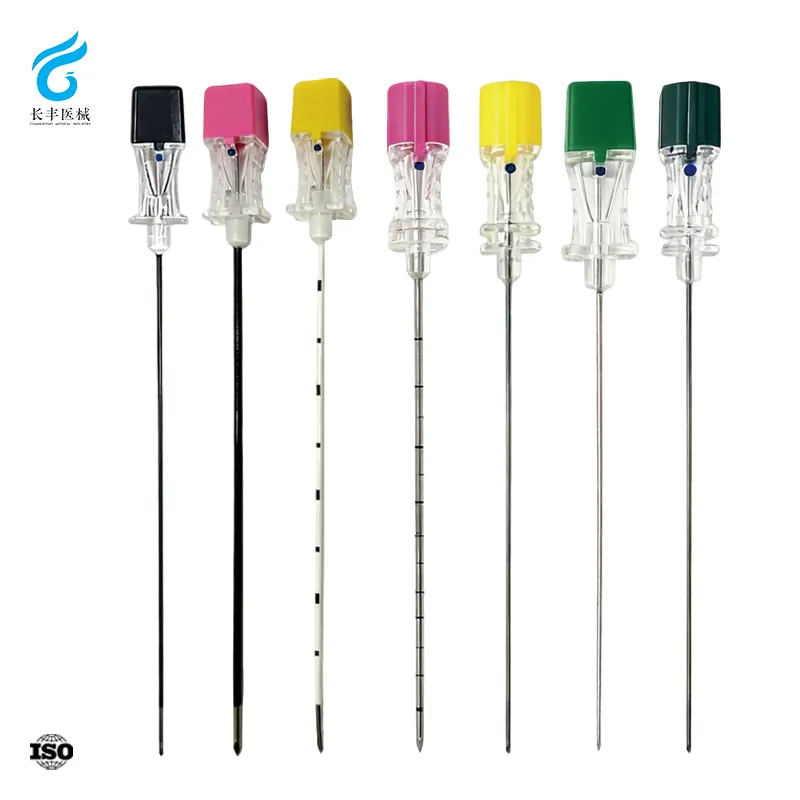
Core Aseptic Principles for Sterile Anesthesia Needle Handling
Proper sterile field setup and needle site preparation
Diligent adherence to aseptic technique is foundational when handling a sterile anesthesia needle. Begin with hand hygiene using an alcohol-based rub or antimicrobial soap. Don sterile gloves and inspect all packaging for integrity, dryness, and expiration—discard any compromised items immediately. Set up the sterile field on a clean, dry surface above waist level using a sterile drape; maintain a one-inch margin from the drape’s edge, as this border is considered non-sterile. Open the needle package without contacting inner contents—grasp only the outer wrapper. Once the field is ready, prepare the needle site by cleansing the skin with chlorhexidine-alcohol solution using a back-and-forth friction scrub for the recommended contact time. Allow the antiseptic to air-dry completely; wet antiseptic can wick bacteria into deeper tissues. Avoid palpating the site after preparation. If repalpation is necessary, use a sterile glove or re-prep the area. These protocols—combined with minimal traffic and directed airflow—establish a reliable barrier against pathogen entry. Research indicates that consistent application of these practices reduces vascular catheter–related bloodstream infections by up to 50% (CDC 2023).
Maintaining sterility during spinal, epidural, and peripheral nerve blocks
Regional anesthesia techniques—spinal, epidural, and peripheral nerve blocks—demand uncompromising sterility to prevent life-threatening infections such as meningitis or epidural abscess. Use only single-use, factory-sterilized needles; never reprocess a sterile anesthesia needle. During preparation, don a mask, cap, sterile gown, and gloves. Open the needle package just before use and avoid contact between the needle shaft and non-sterile surfaces. For neuraxial procedures, keep the stylet in place until puncture, and never touch the needle hub after disconnection. When inserting a continuous epidural catheter, handle it exclusively with sterile forceps or gloves and secure it under a transparent, sterile dressing. For ultrasound-guided peripheral blocks, use a sterile probe cover and single-use sterile gel, and drape the transducer cord to prevent field contamination. Limit procedure time, and if sterility is compromised at any point, discard the needle and restart the process. Never reuse a needle—even on the same patient—if sterility is in doubt. Clinical evidence confirms that rigorous asepsis reduces post-dural puncture infection rates to near zero (Br J Anaesth 2020).
Why Sterile Anesthesia Needles Must Be Single-Use Only
The shift to disposable, single-use sterile anesthesia needles is not merely a clinical preference—it is a foundational safeguard that eliminates one of the most preventable vectors of iatrogenic infection. Rigorous adherence to this principle protects both patients and providers from devastating outcomes.
Evidence linking needle reuse to bloodborne pathogen transmission
Needle reuse—even when limited to the same patient or medication vial—has been directly implicated in outbreaks of hepatitis B (HBV), hepatitis C (HCV), and HIV. Documented incidents show that a single contaminated needle or syringe used across multiple individuals led to clusters of viral hepatitis that would have been avoided with strict single-use practice. Laboratory studies confirm that bloodborne pathogens can persist in needle hubs and syringes after minimal blood or tissue contact. A landmark CDC investigation of 33 outbreaks in non-hospital healthcare settings between 2001 and 2011 identified syringe or needle reuse as the primary cause in over half of cases. The risk is not theoretical: a single breach can expose dozens of patients. For regional anesthesia procedures such as spinal and epidural blocks, consequences may include bacterial meningitis or epidural abscess—life-threatening infections requiring aggressive treatment. Adopting a “one needle, one patient, one time” protocol eliminates this transmission pathway entirely, aligning practice with the core principle that sterile anesthesia needles must never be reprocessed.
Regulatory mandates (CDC, WHO, ASA) on disposable sterile anesthesia needles
Leading health organizations have codified the single-use requirement into binding standards. The Centers for Disease Control and Prevention (CDC) explicitly states that a sterile, single-use, disposable needle and syringe must be used for each injection—and that single-use devices are not intended to be reprocessed for use on another patient. The World Health Organization (WHO) reinforces this in its global injection safety campaign, declaring needle and syringe reuse unsafe and a threat to public health. The American Society of Anesthesiologists (ASA) echoes these directives in its practice guidelines for regional anesthesia, specifying that sterile, disposable needles must be employed for every neuraxial block. These mandates reflect consensus that the inability to reliably clean small-lumen needles—and the heat-labile nature of many anesthesia needles—makes reprocessing impractical and dangerous. Compliance is not optional; it is a regulatory expectation and a quality-of-care benchmark that anesthesia providers must embed in daily workflow to prevent transmission of bloodborne pathogens.
Preventing Cross-Contamination in Anesthesia Workflow
Uninterrupted sterility of a sterile anesthesia needle depends heavily on the broader anesthesia workflow. Even with flawless needle handling, lapses in surrounding processes can easily introduce pathogens. Critical cross-contamination points often cluster around shared surfaces, multi-dose vials, and high-touch equipment. Simple, evidence-based adjustments significantly lower the risk.
- Hand hygiene synchronization: Perform hand disinfection immediately before touching any sterile anesthesia needle or the prepared injection site—not just upon entering the work area. The CDC emphasizes that alcohol-based hand rub compliance directly correlates with reduced surgical site infections.
- Stopcock and port discipline: Swab all injection ports with 70% isopropyl alcohol and allow them to dry for at least 15 seconds. Damp ports harbor residual bacteria capable of migrating into the fluid pathway.
- One needle, one syringe, one time: Dedicate each sterile anesthesia needle and syringe to a single patient and a single access event. Re-entering a vial or IV line with a used needle contaminates the entire system, negating prior aseptic steps.
- Environmental separation: Keep the anesthesia cart surface clean and uncluttered. Clearly segregate used sharps, waste, and clean supplies. A 2022 observational study found that 67% of anesthesia workstations had at least one contaminated high-touch surface by the end of a case when clutter was present.
When embedded into routine practice, these workflow elements protect the sterile anesthesia needle from the moment it is uncapped until it enters the patient—breaking the chain of cross-contamination.
Safe Handling and Disposal of Sterile Anesthesia Needles
Needle safety protocols: from uncapping to sharps disposal
A sterile anesthesia needle demands rigorous safety protocols from the moment it is uncapped. Uncap immediately before use, using a controlled motion to avoid accidental sticks. If recapping is unavoidable, use only the one-handed scoop technique; two-handed recapping is a leading cause of needlestick injuries. After the block or injection, dispose of the needle directly into an FDA-cleared sharps container without delay. Never place a used needle on a work surface or in a pocket. Containers must be closable, puncture-resistant, leak-proof on sides and bottom, and replaced when two-thirds full to prevent overfill injuries. Healthcare waste audits show that immediate disposal reduces needlestick injury risk by nearly 40%, protecting both clinical staff and downstream custodial workers. Consistent adherence to this closed-chain protocol remains the single most effective deterrent against bloodborne pathogen transmission in anesthesia care.
FAQ Section
What are the steps for proper sterile field setup?
Begin with hand hygiene, use sterile gloves, inspect packaging for integrity, set up the sterile field above waist level with a sterile drape, and maintain a one-inch non-sterile margin from the drape’s edge. Ensure the needle package is opened without contacting its inner contents.
Why is needle reuse dangerous?
Needle reuse has been linked to the transmission of bloodborne pathogens like HBV, HCV, and HIV, with consequences ranging from viral outbreaks to life-threatening infections such as meningitis.
What is the "one needle, one patient, one time" protocol?
It means using a sterile anesthesia needle and syringe for a single patient for one application, without re-entry into vials or IV lines to prevent contamination.
How do you prevent cross-contamination in anesthesia workflow?
Ensure hand hygiene before touching sterile items, swab injection ports with alcohol, use dedicated needles and syringes, and segregate clean and used equipment thoroughly.
How should sterile anesthesia needles be disposed of?
Dispose of needles directly into FDA-cleared sharps containers. Containers should be puncture-resistant, leak-proof, closable, and replaced when two-thirds full.