
 EN
EN
Introduction
Nasopharyngeal swab collection plays an important role in respiratory infection testing and molecular diagnostics.
The quality of the collected specimen directly influences laboratory analysis. Even when highly sensitive testing platforms are used, variations in sampling technique, specimen handling, and swab quality may affect diagnostic reliability.
Standardized collection protocols help healthcare teams improve consistency, reduce sampling errors, and support more reliable test results.
Why Standardized Nasopharyngeal Swab Protocols Matter
A nasopharyngeal swab must collect biological material from the appropriate anatomical location to provide a representative specimen.
Common factors affecting specimen quality include:
- insufficient insertion depth
- incorrect swab direction
- inadequate contact with the sampling area
- improper specimen handling
- inconsistent training among operators
Standardized procedures help reduce these variations by providing healthcare workers with clear instructions and competency expectations.
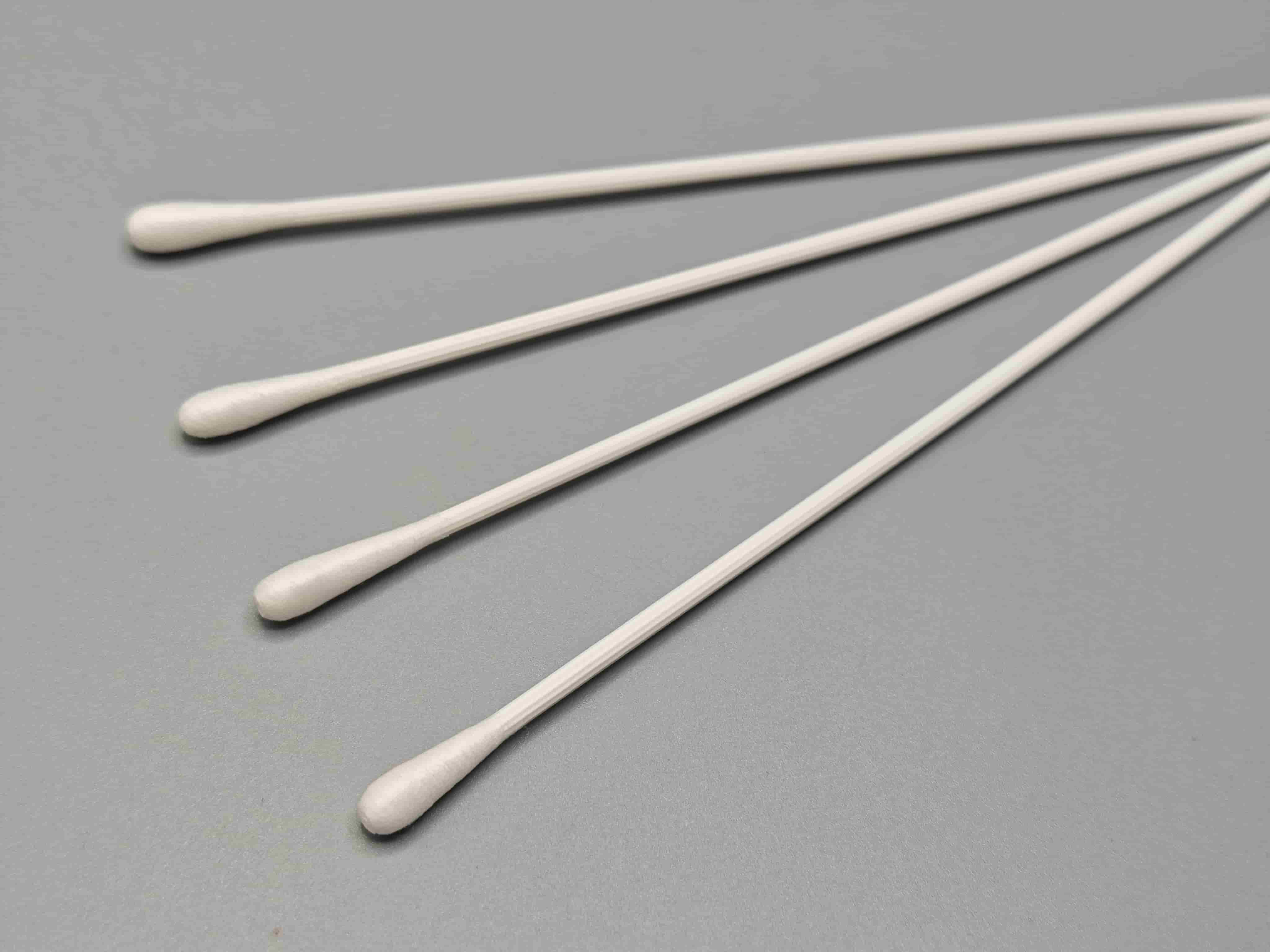
The choice of swab material is also important. Flocked swabs are widely used because their fiber structure can improve sample absorption and release compared with some traditional swab materials.
Key Steps for Accurate Nasopharyngeal Swab Collection
Successful specimen collection begins with understanding nasal anatomy.
The swab should generally follow the natural pathway of the nasal cavity by moving horizontally along the nasal floor rather than upward toward the nasal bridge. This approach helps reduce discomfort and supports safer insertion.
During collection, healthcare professionals typically:
- Prepare and position the patient appropriately.
- Insert the swab gently along the nasal passage.
- Advance the swab toward the nasopharyngeal area according to clinical guidance.
- Allow sufficient contact with the sampling surface.
- Carefully withdraw the swab and place it into the transport system.
The exact technique may vary depending on patient factors, healthcare guidelines, and testing requirements.
Training and Quality Control for Healthcare Teams
Consistent training is essential for maintaining specimen quality across different healthcare environments.
Competency programs may include:
- anatomical knowledge
- correct insertion technique
- specimen handling procedures
- labeling and transport requirements
- infection prevention practices
Using structured checklists and regular competency assessments can help healthcare teams identify common errors and maintain consistent collection standards.
In addition, ensuring access to appropriate sampling materials, including validated swabs and transport media, supports reliable diagnostic workflows.
Common Challenges and Risk Reduction Strategies
Nasopharyngeal swab collection may present challenges in certain patients.
Factors such as:
- nasal septum deviation
- nasal obstruction
- patient movement
- discomfort during collection
may affect the procedure.
Healthcare professionals can reduce these challenges through careful patient communication, appropriate technique adjustment, and proper training.
In high-volume testing environments, standardized workflows also help improve safety for both patients and healthcare workers by supporting proper PPE use and infection control practices.
Selecting the Right Nasopharyngeal Swab Solution
For diagnostic manufacturers and healthcare suppliers, swab performance depends on several factors:
- fiber material
- collection efficiency
- compatibility with transport media
- sterility assurance
- packaging design
- regulatory compliance
Flocked nasopharyngeal swabs, combined with appropriate transport systems, provide a reliable solution for respiratory specimen collection applications.
FAQ
Why is nasopharyngeal swab standardization important?
Standardized procedures help reduce variation between operators and improve specimen consistency for diagnostic testing.
Why does insertion technique affect specimen quality?
Correct positioning and appropriate sampling location help ensure that the collected specimen contains sufficient biological material for laboratory analysis.
Are flocked swabs better for specimen collection?
Flocked swabs are widely used because their design can improve sample absorption and release characteristics compared with some traditional materials.
How can healthcare teams improve swab collection accuracy?
Regular training, clear procedures, quality checks, and proper sampling materials can help improve collection consistency.