
 EN
EN
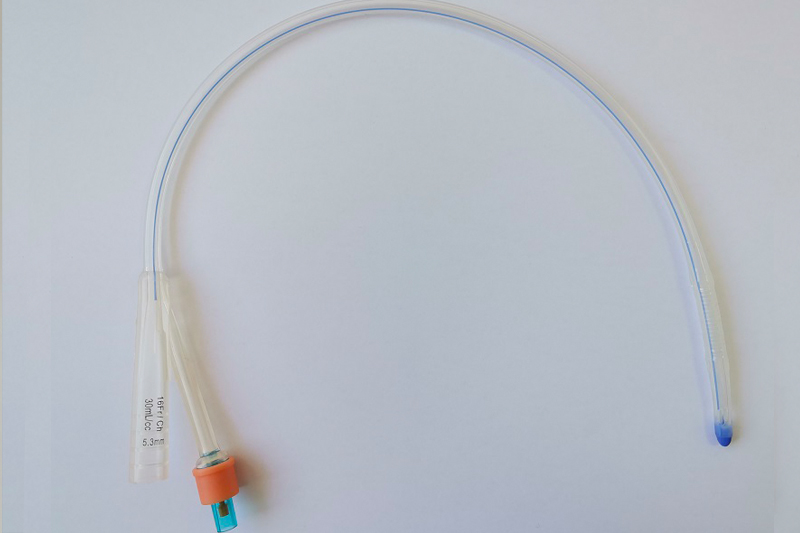
सिलिकन मूत्र नली किन छान्ने? सामग्रीका फाइदा र चिकित्सकीय तर्क
जैव-अनुकूलता र रासायनिक निष्क्रियता ल्याटेक्स र पीवीसीको तुलनामा
मूत्र नलीको लागि उपयोग हुने क्याथेटरहरूको सन्दर्भमा, सिलिकन ऐतिहासिक रूपमा प्रयोग हुने लेटेक्स वा पीवीसी विकल्पहरूभन्दा राम्रो विकल्पको रूपमा उभिएको छ किनभने हाम्रो शरीरले यसलाई धेरै राम्रोसँग सहन गर्दछ। अनुसन्धानहरूले देखाएको छ कि सिलिकनले कम्तिमा १% मानिसहरूमा मात्र एलर्जिक प्रतिक्रिया उत्पन्न गर्दछ, जबकि लेटेक्सले अहिले सम्मका अध्ययनहरू अनुसार जर्नल अफ युरोलोजीमा गत वर्ष प्रकाशित अध्ययनहरू अनुसार लगभग ८ देखि १२% मानिसहरूमा समस्या उत्पन्न गर्न सक्छ। सिलिकन किन यति राम्रो छ? यो शरीर भित्रका कुनै पनि पदार्थसँग रासायनिक रूपमा प्रतिक्रिया नगर्दछ, जसको अर्थ यो शारीरिक तरलहरूसँग लामो समयसम्म सम्पर्कमा रहेपछि वा अस्पताल-गुणस्तरका स्टेरिलाइजरहरूसँग सम्पर्कमा आएपछि पनि स्थिर रहन्छ। अर्को ठूलो फाइदा यो हो कि लेटेक्समा ब्याक्टेरियाहरू लुक्न सक्ने साना साना छिद्रहरू हुन्छन्, जबकि सिलिकनको सतह चिकनी हुन्छ जसले जीवाणुहरूलाई आफ्नो सतहमा चिप्कन दिँदैन। यसले यी क्याथेटरहरू लामो समयसम्म स्थापित रहेको अवस्थामा संक्रमणको सम्भावना घटाउन मद्दत गर्दछ।
तापीय स्थिरता, लचकता, र दीर्घकालीन आंतरिक प्रयोगमा जम्मा हुने जमावको प्रतिरोध
सिलिकनले शरीरको तापक्रम परिवर्तन हुँदा पनि आफ्नो आकार कायम राख्छ, जुन पीवीसी गर्न सक्दैन किनभने २०°सी भन्दा तापक्रम घट्दा यो कडा हुन्छ। यस सामग्रीको लचकता लामो समयसम्म क्याथेटर प्रयोग गर्दा मूत्रमार्गीय आघातलाई वास्तवमै कम गर्छ, जुन अन्य सामग्रीहरूको तुलनामा लगभग ३७% कम छ भनेर क्लिनिकल बायोमेकानिक्सको गत वर्षको अध्ययनले देखाएको छ। अर्को ठूलो फाइदा भनेको सिलिकनको पानी प्रतिकर्षण गुण हो, जसले भित्रमा खनिजहरूको जमावट गर्न गाह्रो बनाउँछ। परीक्षणहरूले यसले ९० दिनसम्म स्थापित रहँदा लेटेक्सको तुलनामा जमावट (एन्क्रस्टेशन) समस्यालाई लगभग आधा घटाउँछ भनेर देखाएको छ। सिलिकनले प्रतिस्थापन गर्नु अघि धेरै समयसम्म टिक्ने हुनाले, धेरैजसो मानिसहरूले आफ्ना क्याथेटरहरूलाई लगभग १२ हप्तासम्म निरन्तर राम्रोसँग काम गर्ने पाउँछन्। कम परिवर्तन भएकोले क्याथेटरसँग सम्बन्धित मूत्र संक्रमण जस्ता घटनाहरूको सम्भावना पनि कम हुन्छ, जुन धेरै रोगीहरूले चिन्ता गर्छन्।
सिलिकन मूत्र क्याथेटरहरूको सही समावेशन विधि
कम घर्षण भएको सिलिकन सतहका लागि स्टेराइल प्रक्रियाका अनुकूलनहरू
सिलिकन मूत्र नलीहरूको सतह कम-घर्षण र गैर-सुगम हुने कारणले यसको विशिष्ट रूपमा स्टेराइल ह्याण्डलिङ आवश्यक हुन्छ। पैथोजेनहरूको स्थानान्तरण रोक्न र सतहको अखण्डता कायम राख्न:
- केवल स्टेराइल दस्ताना र ड्रेपहरू प्रयोग गर्नुहोस्
- केवल एक-प्रयोगको, पानीमा घुलनशील लुब्रिकेन्ट प्रयोग गर्नुहोस्
- वर्तमान प्रमाणद्वारा समर्थित नभएसम्म एन्टिसेप्टिक लुब्रिकेन्टहरूबाट बच्नुहोस्
- प्रविष्टिको पहिले सिधै हात लगाउने कार्यलाई न्यूनीकृत गर्नुहोस्
यी कदमहरूले बायोफिल्मको सुरुवात घटाउँछन् जबकि सिलिकनको चिकनाइलाई नरम स्थापनाको लागि प्रयोग गरिन्छ।
अनुकूलित लुब्रिकेशन, रोगीको स्थिति र बलून फुलाउने पुष्टि
सुरक्षा र आरामलाई अधिकतम बनाउन तकनीकी समायोजनहरू आवश्यक छन्:
- स्नेहन सिलिकनको जल-प्रतिरोधी प्रकृतिलाई कम गर्न ल्याटेक्स वा पीवीसी नलीहरूको तुलनामा २–३ गुणा बढी पानीमा घुलनशील जेल प्रयोग गर्नुहोस्
-
स्थाननिर्धारण :
- महिलाहरू हिप फ्लेक्सन >६०° युरेथ्रा सिधा गर्नको लागि
- पुरुषहरू पीठमा सुतेर टाँग फैलाउनुहोस्—युरेथ्रल वक्रताको तनाव घटाउनको लागि
-
बलून पुष्टि :
- फुलाउनुहोस् केवल स्टेराइल सालाइनसँग—हावा प्रयोग नगर्नुहोस्, किनकि हावाले बलून फुट्न सक्छ वा आवश्यक मात्रा गलत दिन सक्छ
- तनाव दिनुभन्दा अघि प्रतिरोध पुष्टि गर्न 'टग टेस्ट' गर्नुहोस्
- निर्माताद्वारा सिफारिस गरिएको न्यूनतम मात्रा प्रयोग गर्नुहोस् (सामान्यतया ५–१० एमएल)
सधैं स्वतः मूत्र प्रवाह पुष्टि गर्नुहोस् पहिले बलून फुलाउनुहोस्—मूत्राशय-गर्दनको चोट रोक्न, जुन क्याथेटर-सम्बन्धित घाउहरूको १७% को प्रमुख कारण हो (जर्नल अफ युरोलोजिक नर्सिङ, २०२३)।
सुधारिएको रोगी परिणाम: सिलिकन मूत्र नलीको प्रयोगबाट कम आघात र बढी सहजता
प्रमाण-आधारित यौनमार्गीय उत्तेजना र कैथेटर-सम्बन्धित असहजतामा कमी
लैटेक्सबाट सिलिकन यूरिनरी कैथेटरमा सारिएका रोगीहरूले प्रायः तलको क्षेत्रमा धेरै कम जलन र असहजता महसुस गर्छन्। यस सामग्रीको चिकनाइ र लचिलोपनको कारण यसलाई समावेश गर्दा वा चारैतिर हिँड्दा कम घर्षण हुन्छ, जसले मूत्रमार्गभित्रका झन्डै बन्ने खरोचहरू र सूजन भएका क्षेत्रहरू रोक्न मद्दत गर्छ। गत वर्ष प्रकाशित जर्नल अफ यूरोलोजीमा प्रकाशित अनुसन्धानले यसलाई प्रमाणित गरेको छ, जसमा सिलिकन र पारम्परिक लैटेक्स विकल्पहरू तुलना गर्दा जलनसँग सम्बन्धित शिकायतहरूमा लगभग ४२ प्रतिशतको कमी देखाइएको छ। सिलिकन शरीरको प्राकृतिक रूपमा हिँड्ने तरिकासँग राम्रोसँग काम गर्ने जस्तो देखिन्छ, जसले घाउ वा खरोचहरू उत्पन्न गर्दैन, त्यसैले मानिसहरू शल्यक्रियापछि वा लामो समयसम्म अस्पतालमा रहँदा पनि अधिक आरामदायी रूपमा हिँड्न सक्छन्। यसको साथै, यो समयको साथै जल्दै टुट्दैन। नर्सहरूले आरामसँग सम्बन्धित समस्याका कारण कैथेटरहरू समायोजन वा प्रतिस्थापन गर्नुपर्ने अवस्थाहरूमा लगभग ३० प्रतिशत कम घटनाहरू देखेका छन्। यसले सिलिकनलाई शल्यक्रियापछिका तत्काल पुनर्स्थापना अवधिहरूका साथै आराम महत्त्वपूर्ण हुने निरन्तर उपचारका अवस्थाहरूका लागि एउटा बुद्धिमान विकल्प बनाउँछ।
सिलिकन युरिनरी कैथेटर प्रयोग गरेर संक्रमण रोकथामका रणनीतिहरू
गैर-छिद्रित सतहका फाइदाहरू र एन्टिमाइक्रोबियल प्रकारहरू (जस्तै, चाँदी-हाइड्रोजेल) CAUTI घटाउनका लागि
सिलिकनको मसृण, गैर-छिद्रित प्रकृतिले जीवाणुहरूलाई सतहमा चिप्न र कैथेटर सँग सम्बन्धित मूत्रमार्ग संक्रमण (CAUTI) उत्पन्न गर्ने झन्डै अप्रिय बायोफिल्महरू बनाउन गाह्रो बनाउँछ। नैदानिक सेटिङहरूमा गरिएका अध्ययनहरूले यो सुझाव दिन्छन् कि छिद्रित सामग्रीहरूको तुलनामा सिलिकनमा स्विच गर्दा यी संक्रमण समस्याहरू ३० देखि ५० प्रतिशतसम्म कम गर्न सकिन्छ। विशेष गरी संवेदनशील रोगीहरूको लागि विशेष प्रकारहरू पनि उपलब्ध छन्। उदाहरणका लागि, चाँदी-हाइड्रोजेल लेपित कैथेटरहरू लिनुहोस्। यी कैथेटरहरूले समयको साथ चाँदी आयनहरू मुक्त गर्छन्, जुन सूक्ष्मजीवहरूको कोशिका झिल्लीमा हस्तक्षेप गर्छ जसले आफ्नो स्थापना गर्न खोज्दैछन्। वास्तविक विश्वको डाटाले यो अतिरिक्त रक्षा परतले नियमित संक्रमण नियन्त्रण उपायहरू पनि पर्याप्त नभएको अवस्थामा पनि CAUTI दरहरू २५ देखि ३५ प्रतिशतसम्म घटाउँछ भन्ने सुझाव दिन्छ।
| विशेषता | यन्त्र | सीएयूटीआई कमीको प्रभाव |
|---|---|---|
| अनावर्ण सतह | जीवाणु चिपकने रोक्छ | बायोफिल्म ३०–५०% कम |
| चाँदी-हाइड्रोजेल लेप | निरन्तर आयन मुक्ति | संक्रमणका दरहरू २५–३५% कम |
यी फाइदाहरूको सबैभन्दा राम्रो उपयोग गर्नका लागि सिलिकनका प्राकृतिक गुणहरूलाई सीडीसीले सिफारिस गरेका कुराहरूसँग जोड्नु पर्छ, जस्तै स्टेराइल बन्द ड्रेनेज प्रणाली प्रयोग गर्ने र कति समयसम्म क्याथेटरहरू राख्नु पर्छ भन्ने निर्देशनहरू पालना गर्ने। निश्चित रूपमा, उचित सामग्री छान्नु संक्रमण विरुद्ध लडाइँमा सहयोगी हुन्छ, तर मूत्रमार्ग संक्रमण रोक्नका लागि क्याथेटरहरू जताततै सम्भव छ ततातै हटाउनु भन्दा कुनै पनि कुरा राम्रो छैन। सिलिकनको अर्को फाइदा भनेको यो हो कि यसले ट्यूबहरूको भित्री भागमा जमावट रोक्छ, जसले सबै कुराहरू लामो समयसम्म उचित रूपमा काम गर्न दिन्छ र लामो अवधिको प्रयोगमा उपकरणमा बारम्बार हस्तक्षेप गर्नुको आवश्यकता कम गर्छ। यो अस्पतालहरूमा धेरै महत्त्वपूर्ण छ जहाँ प्रत्येक सानो जोखिम समयको साथै संचित हुँदै जान्छ।
प्रश्नोत्तर (FAQ)
सिलिकन मूत्रमार्ग क्याथेटरहरू लैटेक्स वा पीवीसी क्याथेटरहरूभन्दा किन प्राथमिकता पाउँछन्?
सिलिकन युरिनरी कैथेटरहरू उच्च जैव-संगतता, एलर्जिक प्रतिक्रियाको कम जोखिम र रासायनिक स्थायित्वका कारण प्राथमिकता पाउँछन्। यी संक्रमणको सम्भावना घटाउँछन् र अधिक आराम प्रदान गर्छन्।
अन्य सामग्रीहरूको तुलनामा सिलिकन कसरी जमाव र असुविधालाई कम गर्छ?
सिलिकनले पानीको प्रतिकर्षण गर्छ, जसले खनिज जमावको कमी गर्छ, जसले यसको लामो जीवनकाल र जमाव प्रतिरोधको योगदान दिन्छ। यसको लचकता मूत्रमार्गीय आघात घटाउँछ, जसले रोगीको आराम बढाउँछ।
सिलिकन युरिनरी कैथेटरहरू समावेश गर्दा के के सावधानीहरू अपनाउनुपर्छ?
सावधानीहरूमा निर्जीवी हातलाग्ने प्रक्रियाहरू प्रयोग गर्ने, पानीमा घुलनशील लुब्रिकेन्टहरू प्रयोग गर्ने, र जटिलताहरू रोक्न रोगीको सही स्थिति र बलून फुलाउने तरिकाहरू सुनिश्चित गर्ने समावेश छन्।
सिलिकन युरिनरी कैथेटरहरू संक्रमण रोक्न कसरी सहयोग गर्छन्?
सिलिकनको गैर-सुष्म तल्लो सतहले जीवाणु चिपकने बाट रोक्छ, जसले बायोफिल्म र CAUTIs (कैथेटर-सम्बन्धित युरिनरी ट्र्याक संक्रमण) को जोखिम उल्लेखनीय रूपमा घटाउँछ।