
 EN
EN
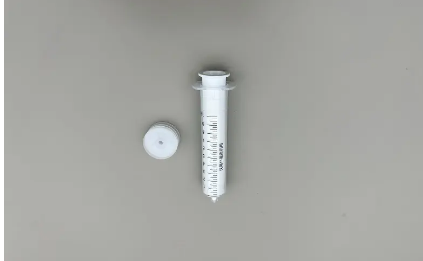
In modern healthcare, patient compliance stands as a cornerstone of successful pharmacological treatment, directly influencing therapeutic outcomes, disease management, and overall patient health. Poor adherence to oral medication regimens remains a pervasive challenge across clinical settings, driven by factors such as complex dosing schedules, unpleasant taste, difficulty in administration, and inconsistent drug release effects. Oral drug delivery devices have emerged as a groundbreaking solution to these barriers, redefining the way oral medications are consumed and managed. By merging pharmaceutical engineering with human-centered design, these specialized devices address the root causes of non-compliance, create a more patient-friendly medication experience, and ultimately elevate adherence rates to oral therapy—making them an indispensable asset in contemporary patient care and clinical practice.
Key Barriers to Oral Medication Compliance Addressed by Delivery Devices
Patient non-compliance with oral medication stems from a diverse set of practical and physiological challenges, all of which oral drug delivery devices are engineered to mitigate with targeted design features. For pediatric and geriatric populations—two groups with the lowest adherence rates—swallowing large tablets or capsules is a major physical barrier; oral drug delivery devices such as dissolvable film strips, oral sprays, and calibrated syringes eliminate the need for swallowing, simplifying administration for vulnerable patients. Unpleasant bitter or metallic tastes of active pharmaceutical ingredients often lead patients to skip doses, and many delivery devices integrate taste-masking technologies, including flavored coatings and microencapsulation, to improve the sensory experience of medication intake. Complex dosing schedules, such as multiple daily doses or precise volume measurements, also erode compliance; controlled-release oral drug delivery devices regulate drug release over an extended period, reducing dosing frequency, while pre-calibrated devices remove the risk of human error in measuring liquid medications. Even for adult patients without physical limitations, inconsistent absorption and rapid drug metabolism can lead to perceived ineffectiveness of treatment, discouraging continued use—an issue resolved by delivery devices that ensure steady, predictable drug bioavailability in the body.
How Oral Drug Delivery Devices Engineer Improved Patient Compliance
Oral drug delivery devices enhance patient compliance through a multi-dimensional approach that combines functional optimization, usability, and consistent therapeutic performance, turning a passive medication routine into a manageable, reliable process. First and foremost, these devices prioritize ease of use: portable, single-dose formats such as oral pouches and dissolvable tablets fit seamlessly into daily life, allowing patients to take medication anytime, anywhere without the need for additional tools like water or measuring cups—critical for improving adherence among busy adults and mobile patient populations. Controlled and sustained-release delivery technologies are a game-changer for long-term disease management; by releasing medication at a constant rate over 12 or 24 hours, these devices maintain stable blood drug concentrations, reducing the number of daily doses and minimizing the chance of missed intake. For patients with chronic conditions such as diabetes, hypertension, and asthma, this simplicity directly translates to higher long-term compliance. Additionally, oral drug delivery devices improve treatment satisfaction by reducing adverse effects: targeted release devices deliver medication to specific parts of the gastrointestinal tract, minimizing stomach upset and other unwanted reactions that often cause patients to discontinue therapy early. When patients experience fewer side effects and a more convenient medication process, their motivation to follow prescribed regimens increases significantly, creating a positive cycle of adherence and improved health outcomes.
Clinical and Long-Term Benefits of Compliance Driven by Oral Drug Delivery Devices
The enhanced patient compliance enabled by oral drug delivery devices yields far-reaching benefits, extending beyond individual patient health to impact the entire healthcare ecosystem. At the clinical level, higher adherence rates lead to more consistent therapeutic effects, reducing the risk of disease progression, complications, and treatment failure. For chronic disease management, this means fewer hospital readmissions, emergency room visits, and costly secondary interventions—easing the burden on healthcare providers and healthcare systems worldwide. For patients, improved compliance translates to better quality of life, reduced symptom severity, and increased control over their health conditions, fostering a more active and positive relationship with their care plan. On a population health scale, oral drug delivery devices play a vital role in public health initiatives, from chronic disease prevention to infectious disease treatment, by ensuring that medication regimens are followed as prescribed, reducing the risk of drug resistance and improving overall community health outcomes. Even for pharmaceutical development and clinical practice, the data generated from consistent adherence via these devices provides more accurate insights into drug efficacy and safety, enabling healthcare providers to refine treatment protocols and deliver more personalized care.
In an era where patient-centered care is the gold standard of healthcare, oral drug delivery devices stand out as a pivotal innovation for enhancing patient compliance with oral medication. By addressing the practical, physical, and sensory barriers that lead to non-adherence, these devices transform medication intake from a chore into a simple, manageable step in daily health management. As pharmaceutical engineering continues to advance, oral drug delivery devices will evolve further, integrating smarter design features and personalized formats to meet the unique needs of diverse patient populations. In the end, their greatest value lies not just in their technical ingenuity, but in their ability to empower patients to take control of their treatment—and in doing so, unlock the full potential of oral pharmacotherapy for better health outcomes for all.